
As Climate Disasters Intensify, Insurance Markets Show Alarming Signs of Strain
Hurricane Ida’s destruction across Louisiana has exposed deep vulnerabilities within the U.S. insurance system, where rising climate-driven losses are overwhelming regional insurers and leaving households without reliable financial protection. Families like the Bye household, whose insurer collapsed after the storm, now face delayed payouts, shrinking coverage options, and steep increases in premiums—signaling a growing disconnect between escalating disaster impacts and the capacity of insurance markets to respond. As more companies withdraw from high-risk states or declare insolvency, state guaranty associations are struggling to manage backlogged claims, underscoring a systemic breakdown that threatens both economic stability and community recovery.
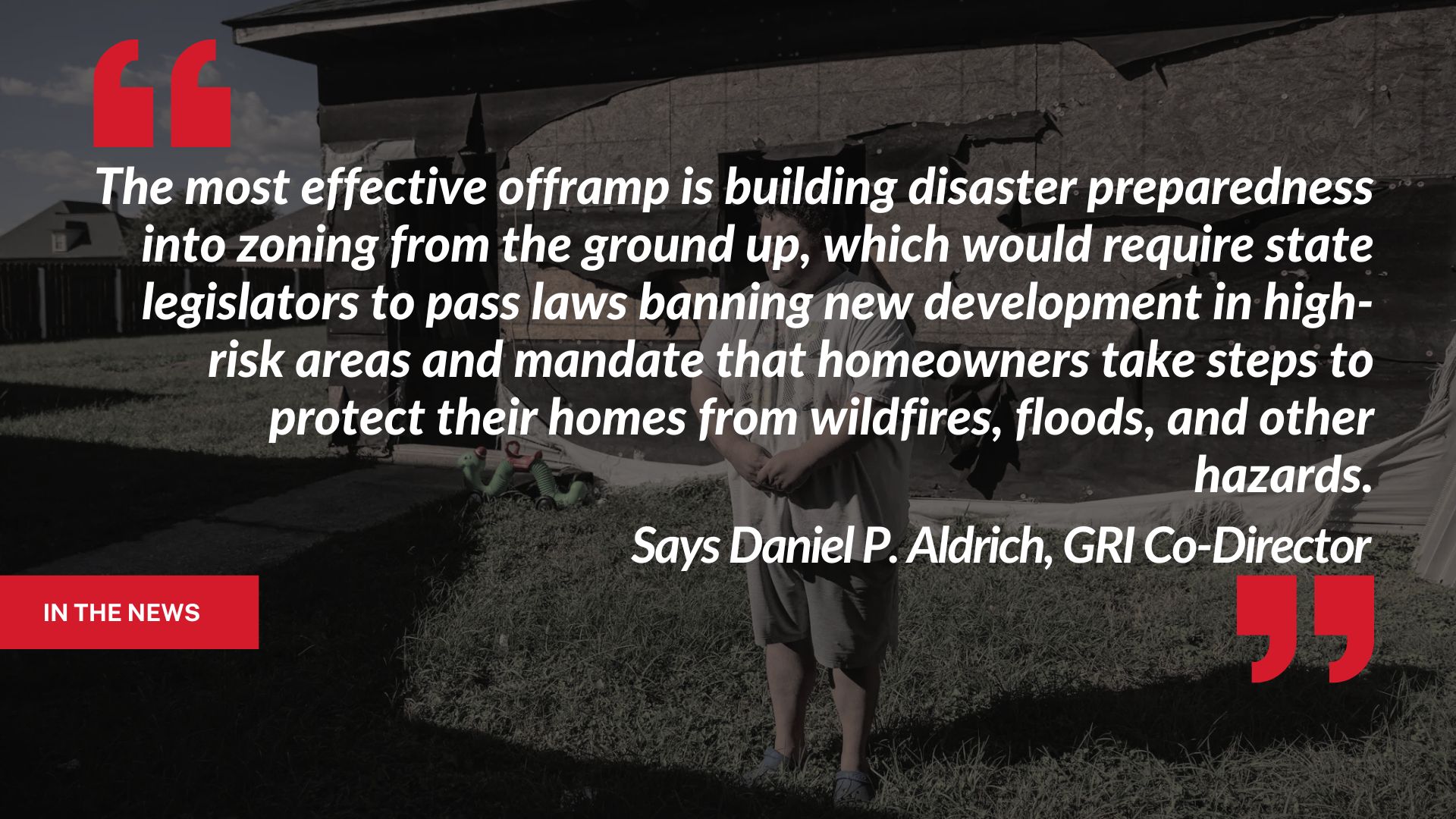
Daniel P. Aldrich, Director of the Resilience Studies Program at Northeastern University, underscores that these disruptions reflect a broader shift into an emerging “era of polycrisis,” where disasters are becoming more frequent and severe while the intervals between them continue to shrink. He warns that without meaningful policy changes—such as integrating disaster preparedness into land-use planning and investing in long-term resilience—society will face escalating insurance costs and worsening vulnerability. Aldrich notes that while imposing the necessary structural reforms may be politically difficult, failing to act will leave communities increasingly exposed as traditional insurance mechanisms become less capable of absorbing climate-related shocks.