Logo
Logo
  • About
    • Previous
    • About
    • About GRI
    • Resilience Overview
    • Team
  • Resources
    • Previous
    • Resources
    • Resilience News
    • Publications
    • Upcoming Events
    • Resilience Projects
  • Resilience Programs
    • Previous
    • Resilience Programs
    • Global Resilience Research Network
    • Resilience Champions
    • Corporate Partnerships
    • Seed Grant Program
  • Resilience Education
    • Previous
    • Resilience Education
    • Resilience Courses
    • Degree Programs
  • Contact
  • LinkedIn

Resilience News

  • GRI Core Projects
  • Publications
  • Resilience News
  • Stephen Flynn
  • A–Z
  • Z–A
  • Newest First
  • Oldest First
  • Architecture
  • Award
  • Barbados
  • Behavioral Health
  • Black Sea
  • Book Launch
  • caribbean
  • Chief Technology Officer
  • Climate change
  • Coastal Infrastructure
  • Coastal Resilience
  • Community
  • Community Resilience
  • COVID-19
  • Critical Infrastructure
  • Cyber Resilience
  • Cybersecurity
  • designs
  • Distinguished Senior Fellow
  • Dominica
  • Ecology
  • Economic Resilience
  • Educational Resilience
  • Emergency response
  • Energy
  • Enterprise
  • Enterprise Resilience
  • Environmental Resilience
  • Event Recap
  • Faculty Affiliate
  • Food Crisis
  • global resilience
  • GrainCrisis
  • GRI Whitepaper Series
  • Healthcare
  • Hurricane Season
  • Individual Resilience
  • Internet Resilience
  • island nations
  • Massachusetts
  • Nada Sanders
  • nantucket
  • Odesa
  • Organizational Resilience
  • Partners
  • Policy and practice
  • Project: Creating a resilient Internet of Things (IoT)
  • Project: Critical Infrastructure Network (CInet)
  • Research
  • Resilience
  • Russia
  • Social Resilience
  • Societal Resilience
  • Solution: Critical Infrastructure Resilience
  • Solution: Cyber Resilience
  • Solution: Incident Management & Business Continuity and Recovery
  • Solution: Integrated Resilience Action Planning for Enterprises
  • Solution: Integrated Resilience Enhancement Solution
  • Solution: Supply Chain
  • Solution: Vetted Technology Resilience
  • Stephen Flynn
  • Supply Chain
  • Sustainability
  • Technology
  • Terrorism
  • Transportation
  • Ukraine
  • Urban Development
  • USAID
  • Vaccination

A Discussion with Dr. Stephen Flynn: What Covid-19 Has Taught Us About Crisis Management

On Monday July 27th, 2020 Dr. Stephen Flynn, the Founding Director of GRI participated in the ISRM Virtual Conference -…
policies

A Global Disruption Requires a Global Response: Policies for building international business resilience for this and future pandemics

The COVID-19 global pandemic has exacerbated the move toward greater economic nationalism and isolationism across the world. As nations have independently constructed responses to the pandemic with vastly dissimilar success levels, the repercussions for international businesses and national economies has been intense. We posit that addressing a global disruption, such as this pandemic that cannot be contained effectively by borders, requires a global response - not a national nor a local response.

A high price to pay: The true cost of America’s aging infrastructure

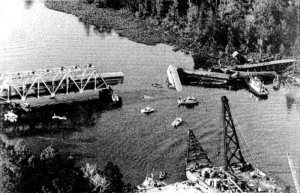
At 12:55 am on the morning of September 22, 1993 the towboat Mauvilla departed Mobile, Alabama, pushing three barges loaded with steel pylons up the Mobile River. A little over an hour into its journey, caught in a heavy fog typical of the Mobile River Delta, the pilot of the Mauvilla mistakenly turned into the Big Bayou Canot channel while searching for a place to tie off to shore and wait for the fog to lift. Moments after making this wrong turn, the Mauvilla lurched to a halt. They had not hit shore, but rather hit the Big Bayou Canot Bridge, a 60 year old bridge initially designed as a movable swing bridge, but later converted to fixed cantilever bridge. The collision caused the bridge to swing three feet on its pivot, deforming, but not breaking, the railroad tracks that ran across it.

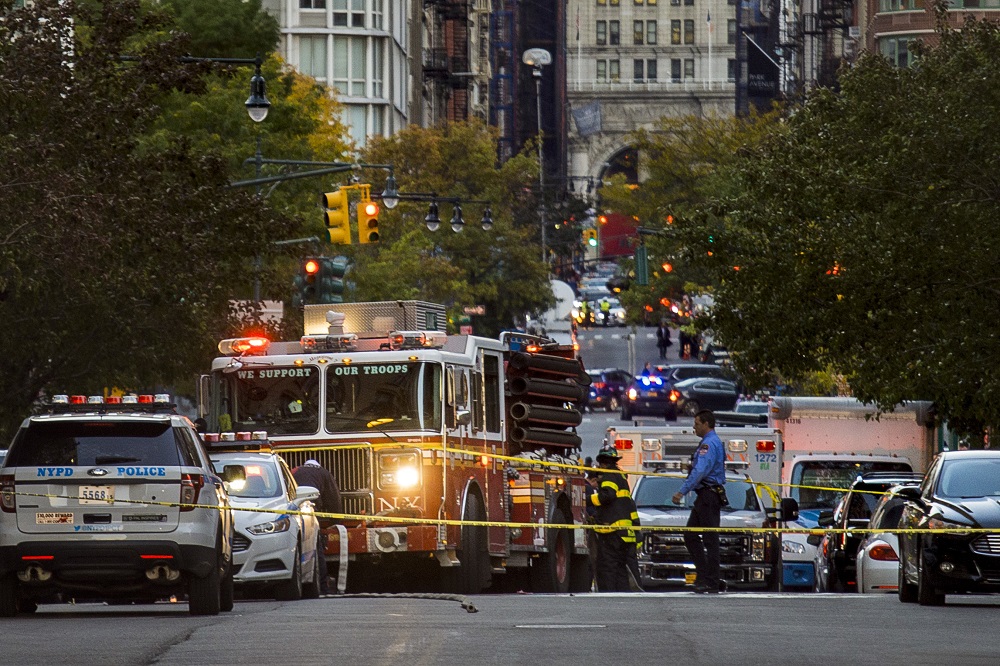
A look at attacks where vehicles have been used as weapons

New York Gov. Andrew Cuomo says a man in a rented pickup who mowed down pedestrians and bicyclists along a bike path near the World Trade Center memorial Tuesday was a "lone wolf." The attack killed at least eight and injured 11 others. Police shot the 29-year-old driver and took him into custody after he jumped out of the truck with what turned out to be a fake gun in each hand. It's the latest in a string of incidents where drivers have used their vehicles as weapons. Some were orchestrated by extremist groups, others by unstable individuals with unclear motives. Radical groups have urged supporters to use any weapons at hand, including cars, a tactic that presents a major challenge for security forces around the world. Here's a look at some other attacks:

A New Normal

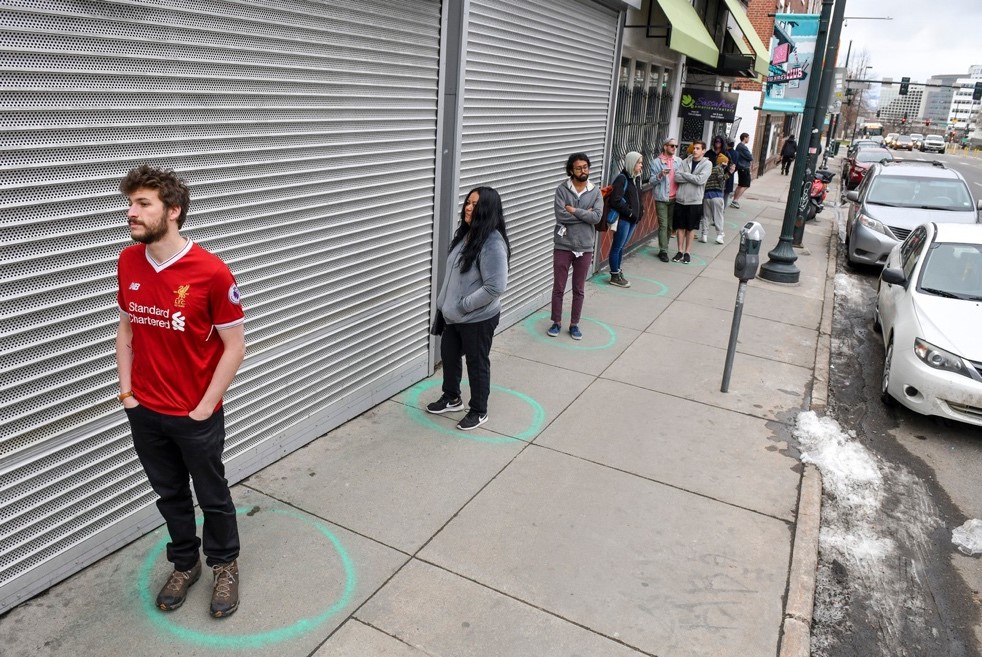
As the prospect of re-opening is on the forefront of our minds, a few big questions hang heavy in the…

A resilience ‘win’ for solar energy in North Carolina, post-Hurricane Florence

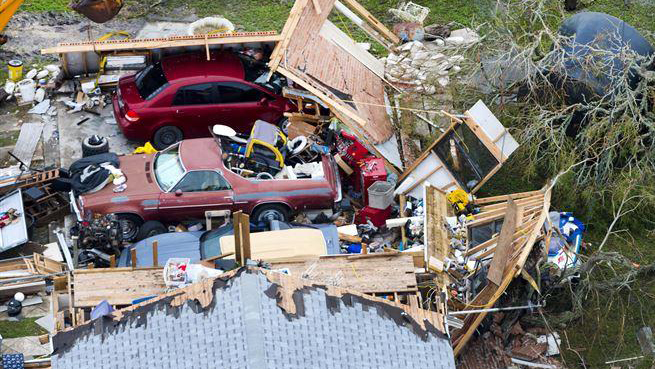
Two weeks after Hurricane Florence battered the southern East Coast, many residents using utilities that relied on coal generating plants remained without power. On the contrary, solar-generated power, which accounts for 4.6% of the state's energy, was up and running the day after the storm moved out of the area.

A slow post-hurricane recovery continues for Barbuda

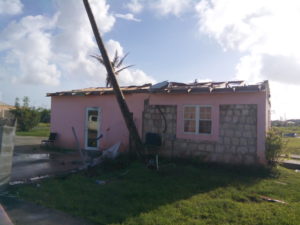
In the early morning hours of September 5th, Hurricane Irma passed directly over Barbuda, a small island in the eastern Caribbean. The Category 5 storm damaged 95% of the island's structures and a two-year-old boy was killed. The island was left littered with debris. Just days later, the threat of incoming Hurricane Jose pushed the Prime Minister of the Commonwealth of Antigua and Barbuda, Gaston Browne, to initiate an island-wide mandatory evacuation. Most of the population was brought to Antigua, which was relatively undamaged by Irma. Although Jose did not significantly impact Barbuda, Browne, citing vermin and water-borne illnesses, decided the island was temporarily uninhabitable. The mandatory evacuation was kept for an additional three weeks. For the first time in centuries, the island was unpopulated, leaving abandoned livestock and pets to roam the streets.

A Statement on Systemic Racism and Disasters

We come together as institutes committed to social justice to strongly condemn the ongoing structural violence against Black communities, most recently on display with the murder of Mr. George Floyd by the Minneapolis Police Department.  Justice demands that all officers involved, including those who stood by without intervening, must be held accountable.

A year of wildfires and pointing fingers in Portugal

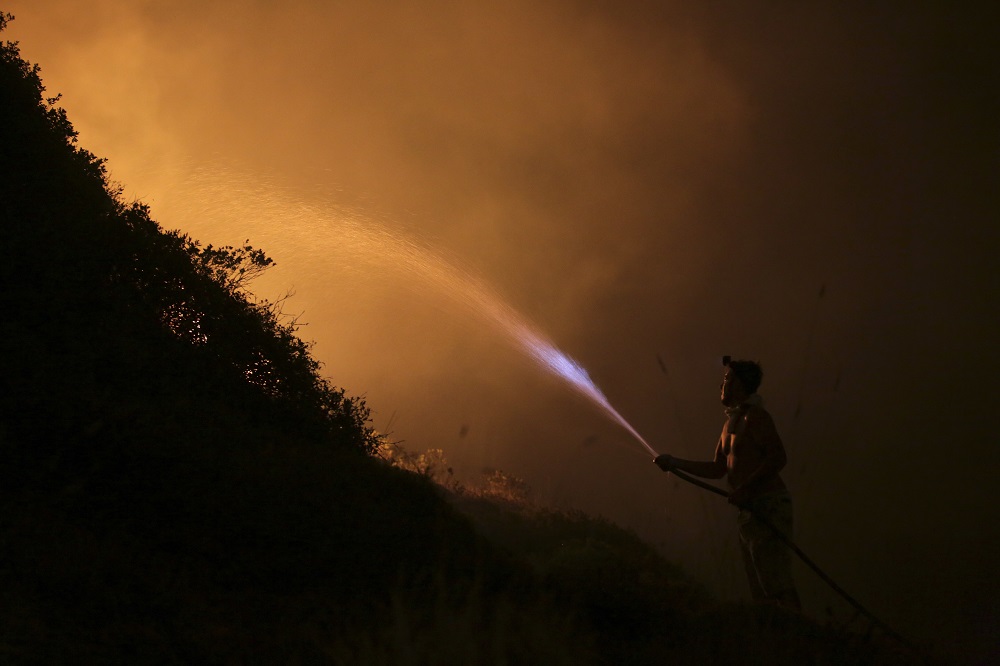
Today in Portugal, citizens will enter a three day period of national mourning as wildfires continue to ravage the country. The fires had claimed the lives of 36 people as of Tuesday morning, including a one month old infant. An additional 56 people have been injured, 16 of whom are in critical condition. The wildfires ignited amidst dry conditions, fueled by winds from Hurricane Ophelia, which is now pummeling Ireland’s coast. According to authorities, arson might have also played a role in the outbreak of some of the around 500 different fires simultaneously burning in Portugal. On Monday, more than 5,300 firefighters battled the fires using 1,600 vehicles. Aircraft equipment with the capacity to drop water on the blaze is not in use in certain areas, as low clouds and heavy smoke severely limit visibility. The number of fires has forced a state of emergency upon nearly half of the country’s landmass, the entire region north of the Tajo River.

Adding cell phones and social media to your preparedness kit | WCAI

Have you updated your "preparedness" kit lately? It's a timely question, amid an active hurricane season. Aside from the flashlights and water, GRI Faculty Affiliate Daniel Aldrich, director of Northeastern's Security and Resilience Program, advises adding cell phones and social media to your hurricane readiness list.

Adjusting to the “New Normal”

The rapid spread of COVID-19 across the globe definitely took society by surprise. As a result, people were forced to social distance, stay home, and close all non-essential businesses. The economy, in the United States, shut down almost overnight and it definitely will not start back up that way. According to the NY Times, politicians and public health experts have argued for weeks over when and how, to allow businesses to reopen and allow Americans to leave their homes. The process will begin to happen gradually, with certain places and industries opening earlier than others.

Adm. Peter Neffenger visits Northeastern’s Marine Science Center, for cross-institute tour

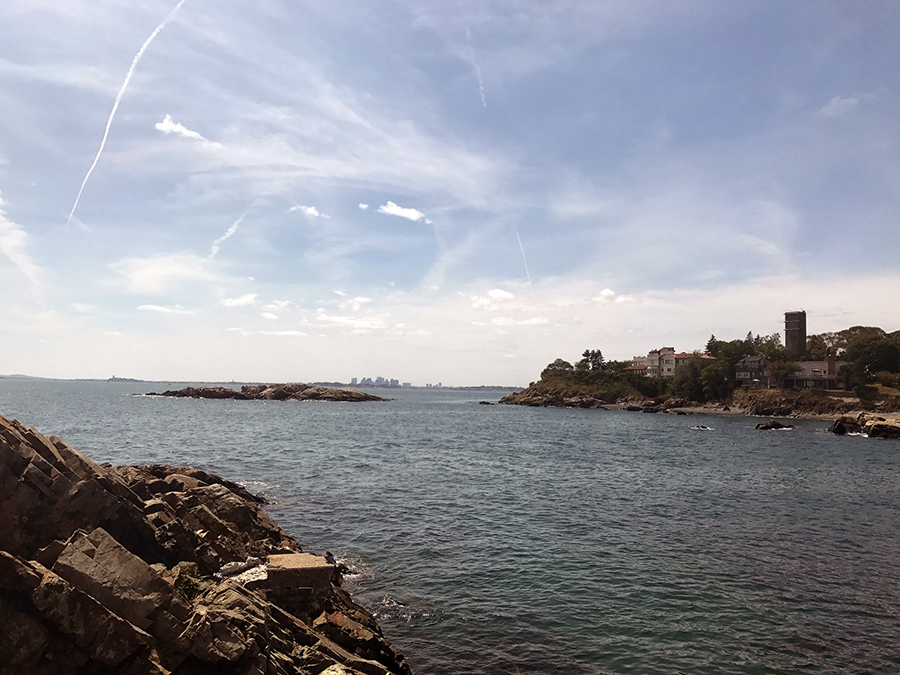
Representatives from two Northeastern University institutes dedicated to sustainability and resilience welcomed Admiral Peter Neffenger (USCG Ret.), to the Marine Science Center in Nahant. Admiral Neffenger, a Distinguished Senior Fellow at the Global Resilience Institute (GRI) and the former Administrator of the Transportation Security Administration (TSA), was briefed on Northeastern’s Coastal Sustainability Institute (CSI) and on the research efforts underway in the Nahant labs.
  • Previous
  • 1
  • 2
  • 3(current)
  • 4
  • 5
  • 6
  • 7
  • Next