Logo
Logo
  • About
    • Previous
    • About
    • About GRI
    • Resilience Overview
    • Team
  • Resources
    • Previous
    • Resources
    • Resilience News
    • Publications
    • Upcoming Events
    • Resilience Projects
  • Resilience Programs
    • Previous
    • Resilience Programs
    • Global Resilience Research Network
    • Resilience Champions
    • Corporate Partnerships
    • Seed Grant Program
  • Resilience Education
    • Previous
    • Resilience Education
    • Resilience Courses
    • Degree Programs
  • Contact
  • LinkedIn

Resilience News

  • GRI Core Projects
  • Publications
  • Resilience News
  • Stephen Flynn
  • A–Z
  • Z–A
  • Newest First
  • Oldest First
  • Architecture
  • Award
  • Barbados
  • Behavioral Health
  • Black Sea
  • Book Launch
  • caribbean
  • Chief Technology Officer
  • Climate change
  • Coastal Infrastructure
  • Coastal Resilience
  • Community
  • Community Resilience
  • COVID-19
  • Critical Infrastructure
  • Cyber Resilience
  • Cybersecurity
  • designs
  • Distinguished Senior Fellow
  • Dominica
  • Ecology
  • Economic Resilience
  • Educational Resilience
  • Emergency response
  • Energy
  • Enterprise
  • Enterprise Resilience
  • Environmental Resilience
  • Event Recap
  • Faculty Affiliate
  • Food Crisis
  • global resilience
  • GrainCrisis
  • GRI Whitepaper Series
  • Healthcare
  • Hurricane Season
  • Individual Resilience
  • Internet Resilience
  • island nations
  • Massachusetts
  • Nada Sanders
  • nantucket
  • Odesa
  • Organizational Resilience
  • Partners
  • Policy and practice
  • Project: Creating a resilient Internet of Things (IoT)
  • Project: Critical Infrastructure Network (CInet)
  • Research
  • Resilience
  • Russia
  • Social Resilience
  • Societal Resilience
  • Solution: Critical Infrastructure Resilience
  • Solution: Cyber Resilience
  • Solution: Incident Management & Business Continuity and Recovery
  • Solution: Integrated Resilience Action Planning for Enterprises
  • Solution: Integrated Resilience Enhancement Solution
  • Solution: Supply Chain
  • Solution: Vetted Technology Resilience
  • Stephen Flynn
  • Supply Chain
  • Sustainability
  • Technology
  • Terrorism
  • Transportation
  • Ukraine
  • Urban Development
  • USAID
  • Vaccination

Once the parties start again

We’re now in the third month of dealing with the coronavirus pandemic in the US. In some ways our collective response to this has been effective (e.g., closing the borders), in some ways not (e.g., politicizing the pandemic). We are clearly learning as we go – as we should – and our response efforts are getting better focused. But the pandemic is both causing problems that will last long after we have the pandemic under control, as well as shining new light on existing problems that we haven’t solved.

David DeSteno in CBS: Coronavirus and the contagion of fear

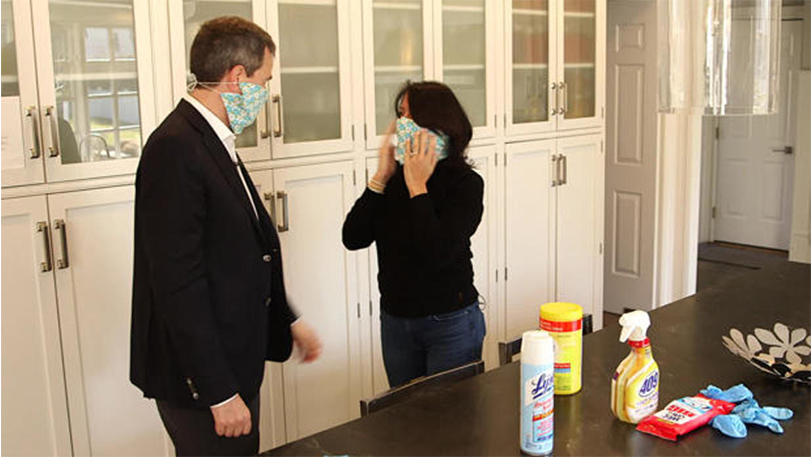
Julie Beitman has been correspondent David Pogue's friend and neighbor for over 15 years. But he's never seen her like this – repeatedly washing her hands, or wiping down her counter. "I'm very upset about this," Beitman said. "I'm upset. I watch the news around the clock. And that's all I think about."

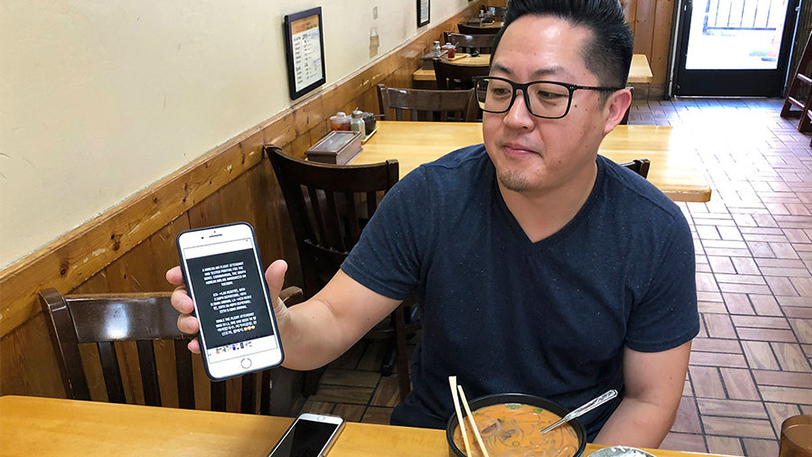
Stephen Flynn in News@Northeastern: Unsure what to do about COVID-19? Take this 60-minute course.

What is the best way to clean your phone? How many minutes are needed for disinfectant to kill the new…

Northeastern University and the Global Resilience Institute Launch COVID-19 Curriculum to Support Students During the Global Pandemic

We are excited to announce that in a joint collaboration between GRI and Northeastern, a comprehensive digital curriculum was launched this morning to support students during the COVID-19 pandemic. “COVID-19: How to be Safe & Resilient” offers a robust suite of educational practices that equips students with critical tools and information that will help flatten the epidemic curve and preserve the well-being of students and their families.

Laurie Kramer in WCVB: Boston researcher teaches parents how to manage sibling conflict

Siblings getting into disagreements is nothing new but with schools now shut down across the state, it can feel like…

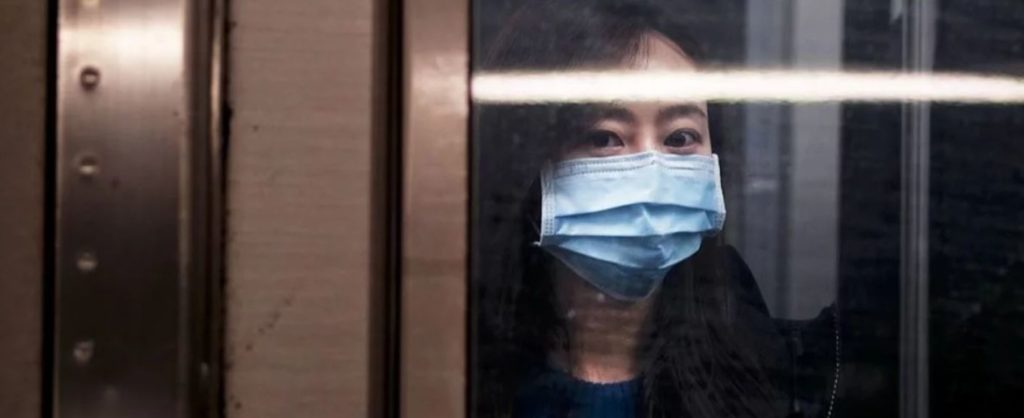
Kristen Lee in The Christian Science Monitor: Combating an ‘infodemic’: When fear and false information go viral

One thing quarantines can’t stop is the spread of false information and fear on Facebook and other popular platforms. In the world’s first social media pandemic, that presents a parallel set of challenges for citizens and leaders alike.

Climate Resilience Plan for New York City is Halted. Now What?

After the devastating impact of Hurricane Sandy on New York City in 2012, officials have been looking for solutions to prepare for the next hurricane and other extreme weather events. In 2014, NYC Mayor Bill de Blasio launched the Mayor’s Office of Resiliency (MOR) and in 2017, The New York New Jersey Harbor and Tributaries (HATS) focus area feasibility study was launched in partnership with the U.S. Army Corps of Engineers to evaluate five possible defenses against severe storms and flooding that pose threats to the communities along the harbor.

Daniel Aldrich in Salon: Why “social distancing,” if done wrong, can make you more vulnerable

Should the cabin lose pressure on an airplane, passengers are told to put our own masks on first before helping those around us. I've always thought that maybe we have to be told this advice because it defies the empathy that makes us human. Amid a crisis, we have a deep desire to help each other that outweighs what we experience in our day-to-day lives. In the wake of 9/11, there was a widely-reported increase in random acts of kindness, like going great lengths to help a stranger find a missing dog. After Hurricane Katrina, some people flew across the country to the middle of a disaster zone to help strangers rebuild their lives. Years later, Katrina survivors flew to Texas to help strangers who had been affected by Hurricane Harvey. Time and time again, we see that a crisis has a way of bringing people together. Disasters tend to turn us into nicer versions of ourselves.

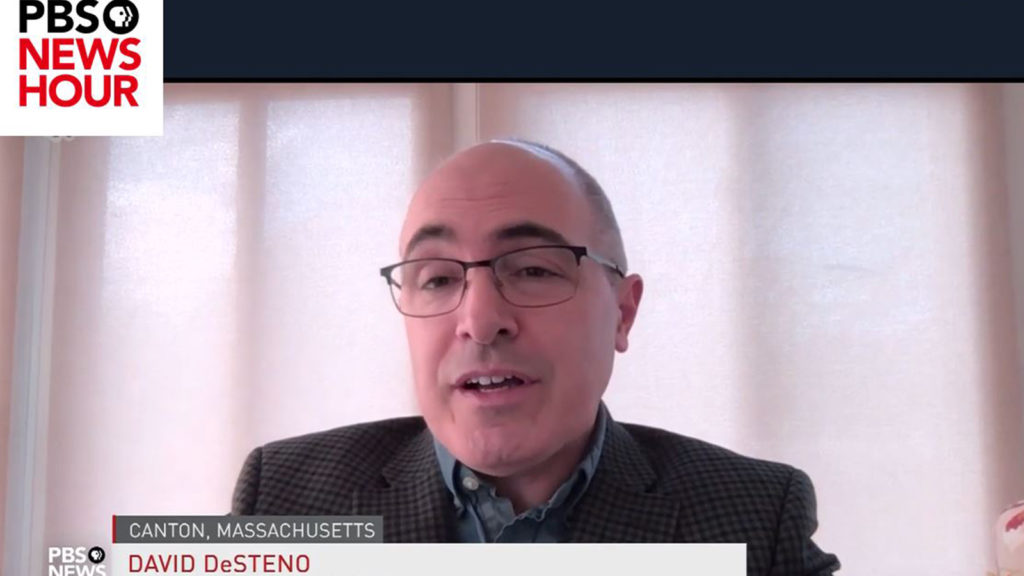
David DeSteno in PBS: How this psychologist suggests we manage COVID-19 fears

As cancellations, closures and medical concerns within the U.S. and across the globe suspend our daily routines, fear and anxiety also rise. It’s difficult to avoid worrying, but it can be helpful to understand when fear is actually counterproductive to wellbeing. Jeffrey Brown talks to David DeSteno, a psychology professor at Northeastern University who studies periods of stress and trauma.

Daniel Aldrich in News@Northeastern: What U.S. Communities Shouldn’t Forget in the COVID-19 State of Emergency

But these efforts aren’t just too late to prevent the rapid spread of the disease first discovered in Wuhan, China, in 2019, says Daniel Aldrich, who directs the security and resilience studies program at Northeastern. 

Sara Jensen Carr in The Takeaway: Is the Coronavirus Changing How We Look At Public Spaces?

In August, we took a look at how mass shootings in the U.S. caused people to fear public spaces like parks, movie theaters, music festivals, restaurants, and churches. 

Coronavirus and supply chain: cascading effect of the disrupted Chinese supply chain

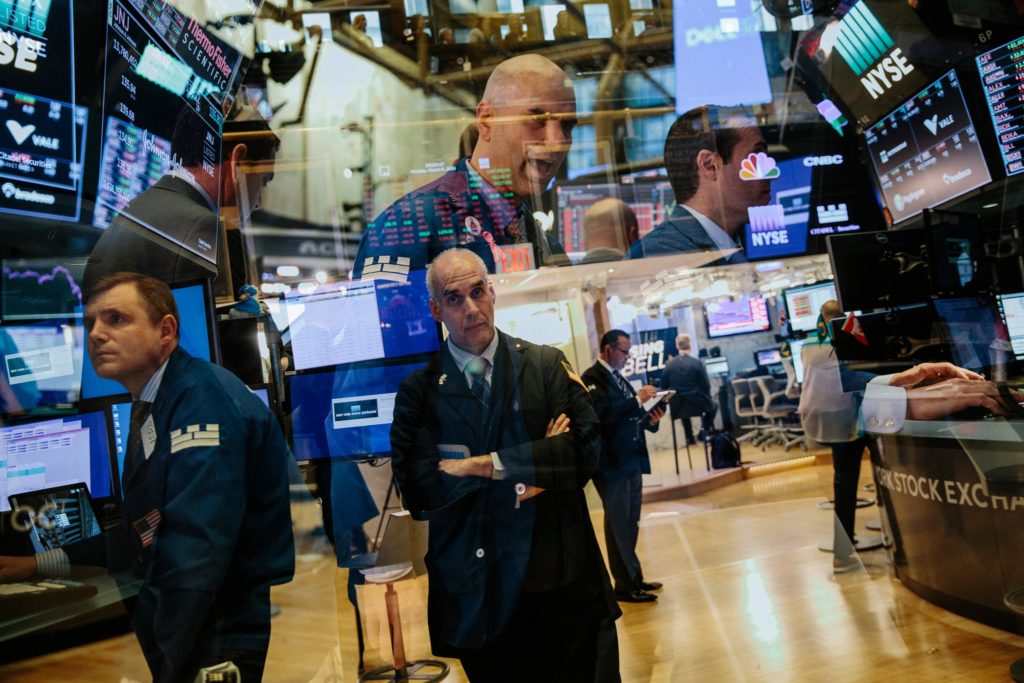
Since the initial outbreak of Coronavirus disease (COVID-19) in China last December, more than 130,000 people are infected[1] and 4,000 are dead[2] in three months. Even considering the delay in centralizing such fragmented data from all over the world, this novel coronavirus proves to be spreading at a concerning speed as the exponentially increasing number of infected and deceased people show. The intense media coverage of the coronavirus outbreaks, epidemics, and finally pandemic coupled with red banner travel bans heighten anxiety not only in the epicenters but also in places where the disease has yet to fully manifest.[3] This anxiety is being reflected globally through major events. For instance, the $5-trillion-plummeting of the New York Stock Exchange earlier this week (3/9/20) was the worst it performed in over a decade.[4] On the same day, the entire country of Italy committed itself to a nationwide lockdown to contain the rapidly spreading disease despite the criticism that such measures can be legally fraught.[5]

  • Previous
  • 38
  • 39
  • 40
  • 41
  • 42(current)
  • 43
  • 44
  • 45
  • 46
  • Next