Logo
Logo
  • About
    • Previous
    • About
    • About GRI
    • Resilience Overview
    • Team
  • Resources
    • Previous
    • Resources
    • Resilience News
    • Publications
    • Upcoming Events
    • Resilience Projects
  • Resilience Programs
    • Previous
    • Resilience Programs
    • Global Resilience Research Network
    • Resilience Champions
    • Corporate Partnerships
    • Seed Grant Program
  • Resilience Education
    • Previous
    • Resilience Education
    • Resilience Courses
    • Degree Programs
  • Contact
  • LinkedIn

Resilience News

  • GRI Core Projects
  • Publications
  • Resilience News
  • Stephen Flynn
  • A–Z
  • Z–A
  • Newest First
  • Oldest First
  • Architecture
  • Award
  • Barbados
  • Behavioral Health
  • Black Sea
  • Book Launch
  • caribbean
  • Chief Technology Officer
  • Climate change
  • Coastal Infrastructure
  • Coastal Resilience
  • Community
  • Community Resilience
  • COVID-19
  • Critical Infrastructure
  • Cyber Resilience
  • Cybersecurity
  • designs
  • Distinguished Senior Fellow
  • Dominica
  • Ecology
  • Economic Resilience
  • Educational Resilience
  • Emergency response
  • Energy
  • Enterprise
  • Enterprise Resilience
  • Environmental Resilience
  • Event Recap
  • Faculty Affiliate
  • Food Crisis
  • global resilience
  • GrainCrisis
  • GRI Whitepaper Series
  • Healthcare
  • Hurricane Season
  • Individual Resilience
  • Internet Resilience
  • island nations
  • Massachusetts
  • Nada Sanders
  • nantucket
  • Odesa
  • Organizational Resilience
  • Partners
  • Policy and practice
  • Project: Creating a resilient Internet of Things (IoT)
  • Project: Critical Infrastructure Network (CInet)
  • Research
  • Resilience
  • Russia
  • Social Resilience
  • Societal Resilience
  • Solution: Critical Infrastructure Resilience
  • Solution: Cyber Resilience
  • Solution: Incident Management & Business Continuity and Recovery
  • Solution: Integrated Resilience Action Planning for Enterprises
  • Solution: Integrated Resilience Enhancement Solution
  • Solution: Supply Chain
  • Solution: Vetted Technology Resilience
  • Stephen Flynn
  • Supply Chain
  • Sustainability
  • Technology
  • Terrorism
  • Transportation
  • Ukraine
  • Urban Development
  • USAID
  • Vaccination

Food insecurity threatens resilience

The ability to have a stable and reliable supply of food is an important indicator of resilience. Establishing food security is a concern for public officials, community leaders, families and individuals across the globe. Often, populations which do not have reliable access to food are made vulnerable to a host of other conditions which threaten their resilience. Lack of affordability and physical access to food are two of the primary reasons families and communities in the United States struggle to maintain a reliable, nutritious diet.
Follow up: Ransomware continues to spread to 150 countries

On Friday May 12, the WannaCry Ransomware attack began infecting computers on several hospitals in Britain's National Health Service network…

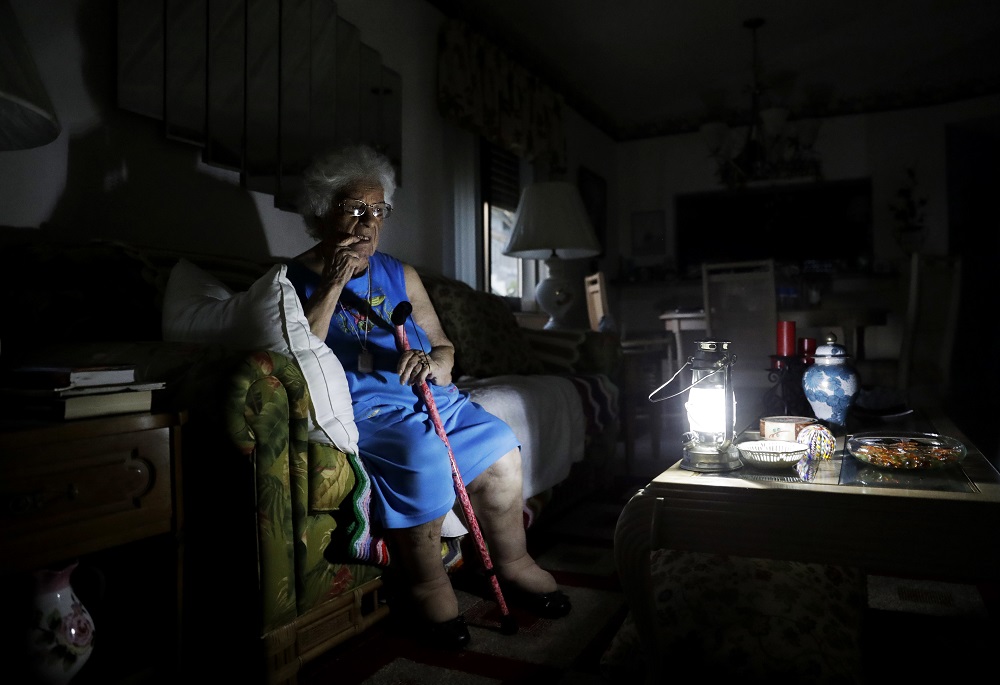
Florida nursing home deaths spur efforts to protect elderly

Emergency workers around hurricane-scarred Florida worked to make sure elderly residents were safe, evacuating multiple assisted-living facilities, after eight people died in a sweltering nursing home that lost its air conditioning in the storm. In one of the latest actions to protect older residents, firefighters helped relocate 122 people late Wednesday from two assisted living centers near Orlando that had been without power since Hurricane Irma.

Florida feels the lasting effects of algae blooms

Florida is breathing a sigh of relief now that its red tide algae blooms are almost entirely gone from the Gulf Coast of Florida. According to the Florida Fish and Wildlife Conservation Commission’s December 10-18 Red tide status map, there is only one location where there was a high concentration of Karenia brevis, the organism responsible for the red tide algal blooms.

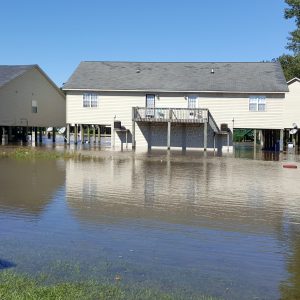
Floods Inundate North Carolina Following Matthew

While Hurricane Matthew has already passed, North Carolina flood waters are expected to continue to rise as rain flows into…

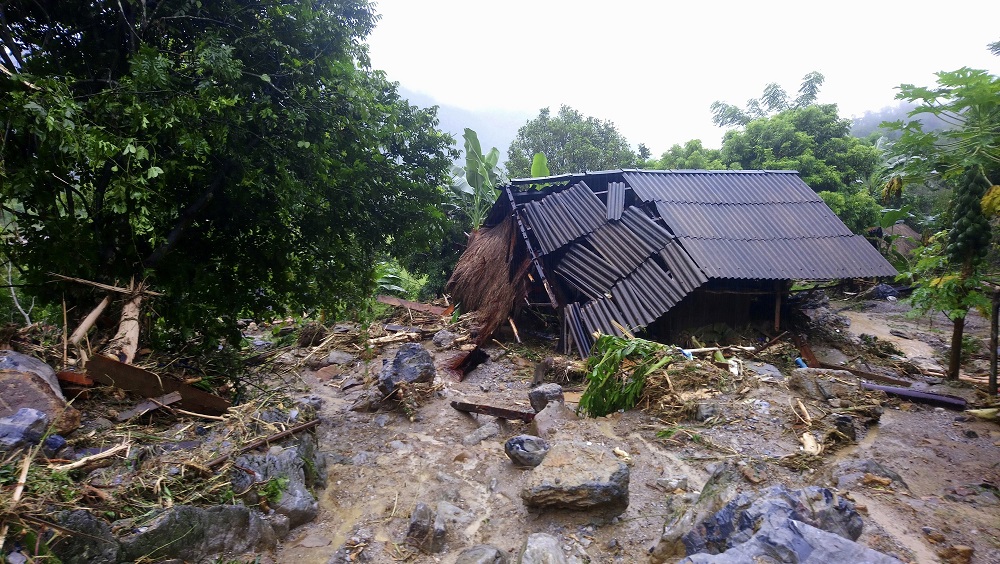
Floods and landslides kill 54, leave 39 missing in Vietnam

Vietnam is ranked the seventh most disaster-prone country in the world, and disasters over the past two decades have caused more than 13,000 deaths and property damage in excess of $6.4 billion, according to Achim Fock, acting country director for the World Bank in Vietnam. Speaking at a conference in Hanoi on Friday marking International Day for Disaster Reduction, Fock said it is time for Vietnam to prepare seriously to reduce its climatic vulnerability.

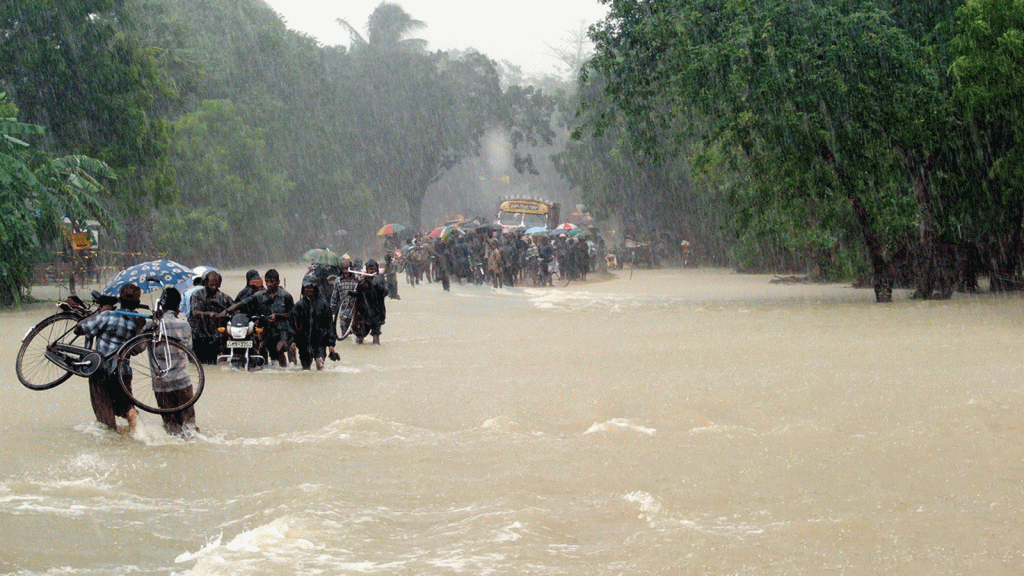
Flooding and mudslides cause high casualties in Sri Lanka

Floods and landslides in central, south, and west Sri Lanka on May 25 and 26, followed two days of heavy…

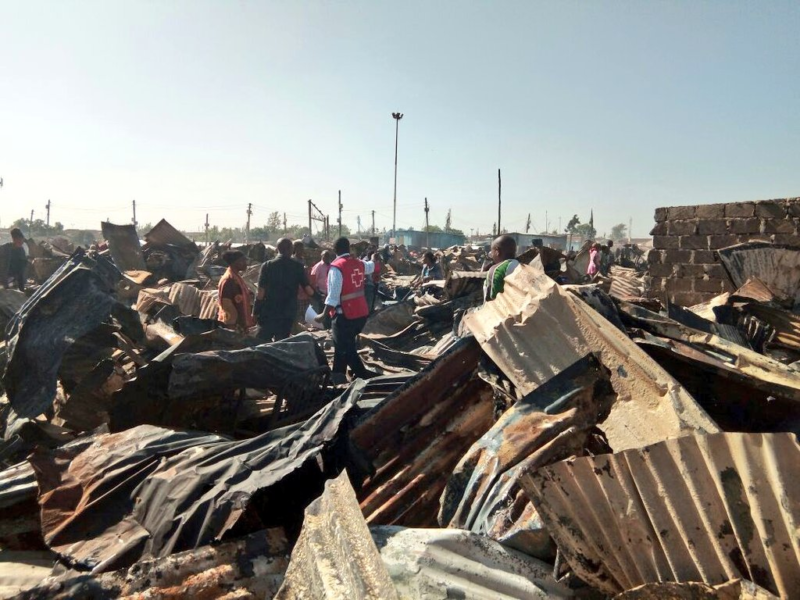
Five killed and thousands displaced after fire rips through Kijiji slum in Nairobi

On January 28, 2018, a fire engulfed the entirety of the Kijiji slum in the Lang’ata neighborhood of Nairobi, near the Southlands estate. The blaze resulted in the death of five people. Due to the informality of the settlement, estimates of the number of displaced people vary, but CNN approximates the total to be around 6,000. The governor of Nairobi, Mike Sonko, called for a full investigation of the fire, accompanied by a tweet that claimed that "those found guilty will face the full force of the law." The cause of the fire has yet to be determined. and efforts to control the blaze have been highly criticized. Firefighters reportedly arrived within minutes, but according to the Kenya Red Cross, it took eight hours to contain the fire. This was due to a number of compounding factors, including a lack of access roads throughout the slum, and an insufficient amount of water.

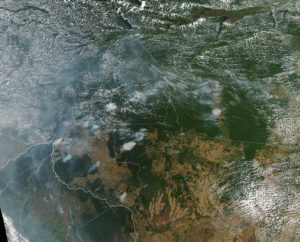
Fires in the Amazon threaten ecological resilience

The Amazon rain-forest, the world’s largest rain-forest, is currently experiencing some of the worst fires in its history. A new government administration in Brazil has prioritized economic growth over environmental policy, making the region more susceptible to disaster and threatening environmental resilience. The forest may soon reach a “tipping point”, where it is no longer able to bounce back and recover from this kind of destruction.

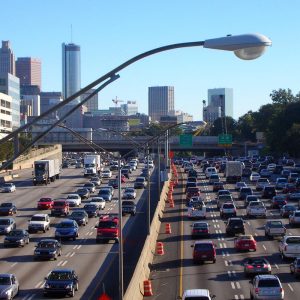
Fire causes the collapse of I-85 in Atlanta

On Thursday, March 30, a fire underneath Atlanta’s I-85 caused an elevated section of the highway to collapse. Though the…

Finding resilience in post-Hurricane Maria Puerto Rico

How do you define resilience? From the very beginning, this question has animated our project, Interrogating Resilience: An Analysis of Inequality and Vulnerability Pre-Hurricane Maria Puerto Rico. In our initial research visit to Puerto Rico in June, we discovered the complex manifestations of resilience as reflected in community-managed aqueducts high up in Puerto Rico’s mountains; community centers providing much-needed food, electricity, and human resources in the wake of the storm; and, of course, the thousands of people who have chosen to stay in Puerto Rico after Maria, a devastating Category 4 hurricane with winds of 155 MPH, made landfall there in September of 2017.[1] Our close colleagues, Marla Perez and Cecilio Ortiz, directors of the Institute for Sustainable Energy (INESI) at the University of Puerto Rico (UPR), graciously curated our initial investigatory visit to Puerto Rico, where we began to scratch out an understanding of Puerto Rico’s resilience.

Finding a Better Path

If COVID-19 returns in the fall, do we really want to go down the same path we’ve been taking? In…
  • Previous
  • 49
  • 50
  • 51
  • 52
  • 53(current)
  • 54
  • 55
  • 56
  • 57
  • Next