Logo
Logo
  • About
    • Previous
    • About
    • About GRI
    • Resilience Overview
    • Team
  • Resources
    • Previous
    • Resources
    • Resilience News
    • Publications
    • Upcoming Events
    • Resilience Projects
  • Resilience Programs
    • Previous
    • Resilience Programs
    • Global Resilience Research Network
    • Resilience Champions
    • Corporate Partnerships
    • Seed Grant Program
  • Resilience Education
    • Previous
    • Resilience Education
    • Resilience Courses
    • Degree Programs
  • Contact
  • LinkedIn

Resilience News

  • GRI Core Projects
  • Publications
  • Resilience News
  • Stephen Flynn
  • A–Z
  • Z–A
  • Newest First
  • Oldest First
  • Architecture
  • Award
  • Barbados
  • Behavioral Health
  • Black Sea
  • Book Launch
  • caribbean
  • Chief Technology Officer
  • Climate change
  • Coastal Infrastructure
  • Coastal Resilience
  • Community
  • Community Resilience
  • COVID-19
  • Critical Infrastructure
  • Cyber Resilience
  • Cybersecurity
  • designs
  • Distinguished Senior Fellow
  • Dominica
  • Ecology
  • Economic Resilience
  • Educational Resilience
  • Emergency response
  • Energy
  • Enterprise
  • Enterprise Resilience
  • Environmental Resilience
  • Event Recap
  • Faculty Affiliate
  • Food Crisis
  • global resilience
  • GrainCrisis
  • GRI Whitepaper Series
  • Healthcare
  • Hurricane Season
  • Individual Resilience
  • Internet Resilience
  • island nations
  • Massachusetts
  • Nada Sanders
  • nantucket
  • Odesa
  • Organizational Resilience
  • Partners
  • Policy and practice
  • Project: Creating a resilient Internet of Things (IoT)
  • Project: Critical Infrastructure Network (CInet)
  • Research
  • Resilience
  • Russia
  • Social Resilience
  • Societal Resilience
  • Solution: Critical Infrastructure Resilience
  • Solution: Cyber Resilience
  • Solution: Incident Management & Business Continuity and Recovery
  • Solution: Integrated Resilience Action Planning for Enterprises
  • Solution: Integrated Resilience Enhancement Solution
  • Solution: Supply Chain
  • Solution: Vetted Technology Resilience
  • Stephen Flynn
  • Supply Chain
  • Sustainability
  • Technology
  • Terrorism
  • Transportation
  • Ukraine
  • Urban Development
  • USAID
  • Vaccination

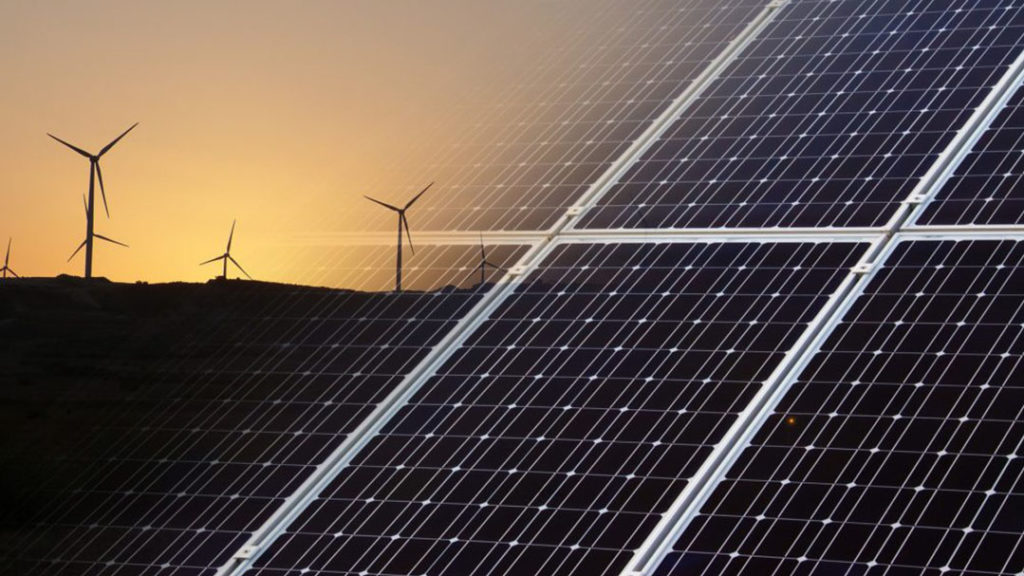
Energy democracy: Growing social movement prioritizes potential for redistributing power through renewable transformation

Energy Democracy takes center stage as the cover story topic in the February issue of the journal “Environment."

Leadership, trust and community resilience

In a recent column, George Friedman – perhaps the preeminent geopolitical scientist of our time – wrote a chilling post.  As he looked backward to predict where 2019 might lead our world, he painted a dark and uncertain picture of our future:

Global Resilience Institute and School of Public Policy & Urban Affairs selected to host Energy Resilience workshop for State Department-sponsored Humphrey Fellows

This spring the Global Resilience Institute (GRI) and the School of Public Policy & Urban Affairs at Northeastern University (NU) will host nearly two dozen U.S. Department of State-sponsored Hubert H. Humphrey Fellows for a four-day workshop on climate and energy resilience and equity, with funding from the Institute for International Education (IIE).

Extreme cold hits cities across the U.S., cutting power, causing damage | Marketplace

The extreme cold that gripped a large part of the country this week is beginning to let up, but not without leaving some damage in its wake. The unusually frigid temperatures cut power to thousands, forced auto plants to close and caused airlines to delay flights.

Answers sought in wake of deadly pipeline explosion in central Mexico

On January 18, a gas pipeline in central Mexico exploded, killing at least 95 people as of January 23. Authorities report that the explosion was located in Tlahuelilpan in the Mexican State of Hidalgo, where a gasoline pipeline had been tapped illegally.

Trump agreed to reopen the government. What does that mean for the Coast Guard?

A temporary deal between President Trump and Democrats Friday ended a month-long partial government shutdown that affected hundreds of thousands of federal workers. Members of the Coast Guard were among those who have been working for weeks without pay, because unlike the other branches of the United States military, the Coast Guard receives funding from the Department of Homeland Security.
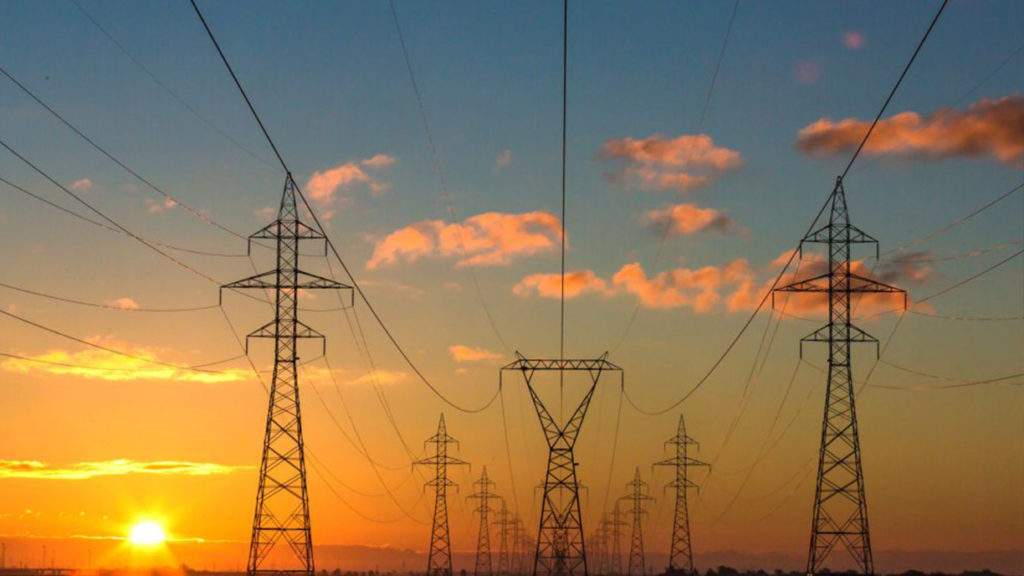
Power lines

Green infrastructure: a solution to storm water management and urban resilience?

The urban landscape as it currently exists cannot optimally manage the effects of heavy rain and storms. The abundance of impervious surfaces in urban areas affects the local hydrology, reducing infiltration and groundwater recharge, and increasing dirtied runoff into surrounding bodies of water. In many cities, particularly in the U.S. Northeast, antiquated combined sewer systems collect all household and industrial wastewater and storm water in one pipe, funneling it all to a treatment facility. However, during severe rain events, high volumes of water inevitably overwhelm the system, creating a serious health hazard when the sewers overflow into public waterways. The changing climate will only exacerbate existing problems: climate reports predict that rainfall will only get heavier in New England. In addition, the American Society of Civil Engineers (ASCE) has given the infrastructure of the United States a grade of “D+”. While it is a dismal rating, there are creative ways to simultaneously improve both infrastructure and urban resilience.

Federal cybersecurity needs its own shutdown

The government shutdown could be disastrous for federal network security. In order to mitigate the risk, federal IT employees should shut down as much federal IT infrastructure as possible.

WEF report stresses need for resilience building in face of growing environmental threats

Each year, the World Economic Forum (WEF) produces its Global Risks Report highlighting the changes in the global risks landscape of the past year, and enumerating the important areas for action in the coming year. This year’s report – released January 16 – identified extreme weather and climate-change policy failures as the gravest threats to global security over the next ten years.

Health, health care and community resilience

The continuing conundrum of health and health care in the US is how much we’re spending on health care (highest in the world – almost $10K per capita and 16% of our GDP) and how poor our health is (generally 25th to 30th among the 35 OECD countries on a variety of indicators, and the absolute worst in terms of obesity).

Pacific Gas and Electric’s threat of bankruptcy stagnates California’s fight against climate change

Facing staggering liability costs for its potential culpability in a series of deadly wildfires, Pacific Gas and Electric (PG&E) — California’s largest power company — announced Monday (1/14) that it would file for bankruptcy.

2018 fourth costliest year on record for natural disasters

According to insurance company Swiss Re’s preliminary sigma estimates, total global losses for natural and man-made disasters in 2018 are estimated at 155 billion USD. Although the past year’s losses amounts to only a little less than half of losses from 2017, this estimates puts 2018 as the fourth costliest year on record and higher than the annual average for the previous ten years.
  • Previous
  • 51
  • 52
  • 53
  • 54
  • 55(current)
  • 56
  • 57
  • 58
  • 59
  • Next