Logo
Logo
  • About
    • Previous
    • About
    • About GRI
    • Resilience Overview
    • Team
  • Resources
    • Previous
    • Resources
    • Resilience News
    • Publications
    • Upcoming Events
    • Resilience Projects
  • Resilience Programs
    • Previous
    • Resilience Programs
    • Global Resilience Research Network
    • Resilience Champions
    • Corporate Partnerships
    • Seed Grant Program
  • Resilience Education
    • Previous
    • Resilience Education
    • Resilience Courses
    • Degree Programs
  • Contact
  • LinkedIn

Resilience News

  • GRI Core Projects
  • Publications
  • Resilience News
  • Stephen Flynn
  • A–Z
  • Z–A
  • Newest First
  • Oldest First
  • Architecture
  • Award
  • Barbados
  • Behavioral Health
  • Black Sea
  • Book Launch
  • caribbean
  • Chief Technology Officer
  • Climate change
  • Coastal Infrastructure
  • Coastal Resilience
  • Community
  • Community Resilience
  • COVID-19
  • Critical Infrastructure
  • Cyber Resilience
  • Cybersecurity
  • designs
  • Distinguished Senior Fellow
  • Dominica
  • Ecology
  • Economic Resilience
  • Educational Resilience
  • Emergency response
  • Energy
  • Enterprise
  • Enterprise Resilience
  • Environmental Resilience
  • Event Recap
  • Faculty Affiliate
  • Food Crisis
  • global resilience
  • GrainCrisis
  • GRI Whitepaper Series
  • Healthcare
  • Hurricane Season
  • Individual Resilience
  • Internet Resilience
  • island nations
  • Massachusetts
  • Nada Sanders
  • nantucket
  • Odesa
  • Organizational Resilience
  • Partners
  • Policy and practice
  • Project: Creating a resilient Internet of Things (IoT)
  • Project: Critical Infrastructure Network (CInet)
  • Research
  • Resilience
  • Russia
  • Social Resilience
  • Societal Resilience
  • Solution: Critical Infrastructure Resilience
  • Solution: Cyber Resilience
  • Solution: Incident Management & Business Continuity and Recovery
  • Solution: Integrated Resilience Action Planning for Enterprises
  • Solution: Integrated Resilience Enhancement Solution
  • Solution: Supply Chain
  • Solution: Vetted Technology Resilience
  • Stephen Flynn
  • Supply Chain
  • Sustainability
  • Technology
  • Terrorism
  • Transportation
  • Ukraine
  • Urban Development
  • USAID
  • Vaccination

Assessments Begin to Surface as NC Remains Under Water

The first official assessments of North Carolina’s losses in the wake of Hurricane Matthew were released on Monday, October 17,…

As reservoirs run dry, Cape Town races to improve its climate resilience

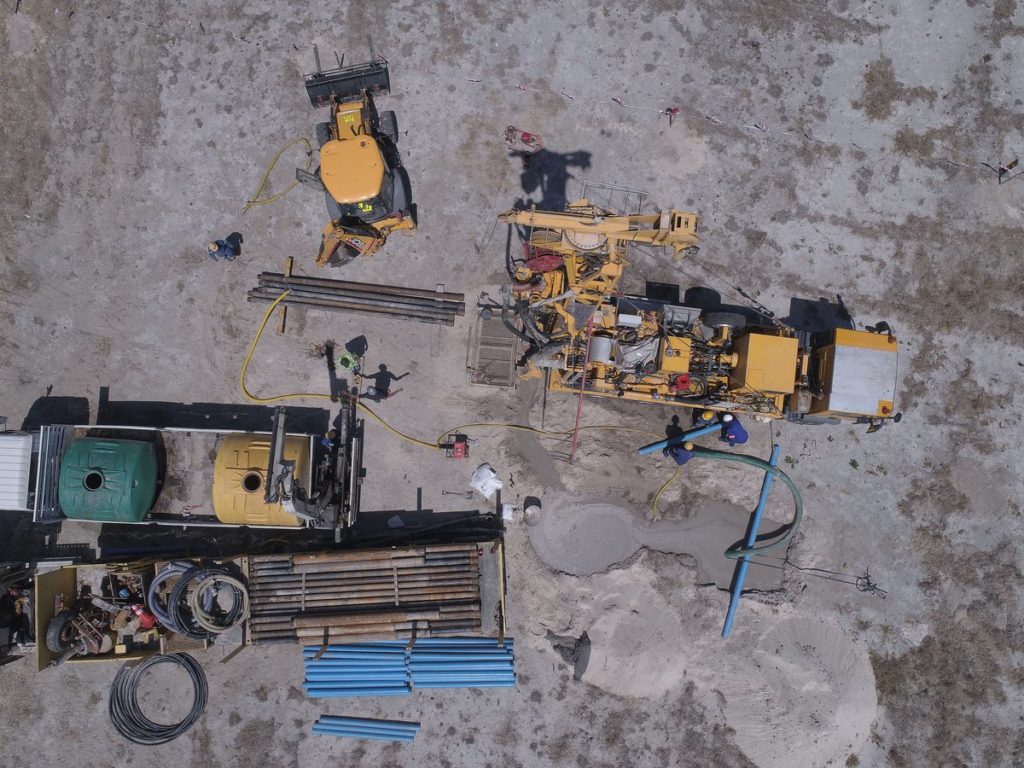
Cape Town, South Africa is currently facing a looming water crisis that has potential to make it the first major city to shut off its municipal water supply. According to Cape Town Mayor Patricia de Lille, taps across the city are expected to run dry on April 22 – less than 90 days away. This date has come to be known as “Day Zero”. The factor determining when exactly Day Zero occurs is the combined capacity of the dams servicing the Western Cape Province. Once the capacity has fallen below 13.5%, “…municipal water supply will be turned off for all but essential services, like hospitals,” Time Magazine reports. Even though 13.5% of the dams’ water capacity may remain, the last 10% of water in a dam is “unusable” due to silt and debris; therefore, essential services would be relying on what amounts to just 3.5% of combined dam capacity.

As power returns to Venezuela, millions continue to suffer the consequences of aging infrastructure and severe system mismanagement

The days following one of the longest and most widespread blackouts in recent memory are still grueling for people all across Venezuela who are desperately trying to return to something that resembles normalcy. Over 70 percent of Venezuela's population lost power on March 7.

As global shipping explodes, it presents a logistical and security challenge | PRI’s The World

“It was in 1992 when 100 million containers moved through all the world’s ports, then in 1998, we went to 200 million,” said Stephen Flynn, founding director of the Global Resilience Institute. “Roughly we’re at a little over 600 million today. So just between the events of 9/11 and the events of today, you almost have a three-fold [increase] of volume moving through the world’s ports.”

As Climate Disasters Intensify, Insurance Markets Show Alarming Signs of Strain

Hurricane Ida’s destruction across Louisiana has exposed deep vulnerabilities within the U.S. insurance system, where rising climate-driven losses are overwhelming…

Arson suspected in deadly Greek wildfires, officials blame illegal construction for chaotic evacuation

A series of deadly wildfires scorched Mati and other coastal towns of Greece on July 23, resulting in at least 91 deaths, several injuries, and many missing. Fed by winds reaching 60 miles per hour, the fires became merciless as they raged through multiple villages, causing some people to flee to the sea for safety.

Applying chaos engineering principles to community resilience

Chaos engineering doesn’t just look at the software, it considers the entire system: software, hardware and people. This may involve multiple programs, run on many different servers, with input from people or from other programs. Periodically, user demand leads to addition of new features but with the expectation that the system will remain reliable. And yet, even if each individual program is operating “correctly” sometimes the system produces unreliable output. In general, faulty communications among the different parts of the distributed system most often are the root cause of these problems.

Application period for FY19 Global Resilience Institute seed grant funding has closed

The Global Resilience Institute (GRI) has opened the application period for its next round of seed grant funding. Faculty from all nine colleges at Northeastern University who are committed to building interdisciplinary resilience research capacity are eligible to apply. During the first round of seed grant funding launched in early 2017, a diverse group of proposals were submitted for consideration -- and the 11 selected teams were notified in May. The funded inaugural teams incorporate researchers from Northeastern's College of Engineering; College of Social Science and Humanities; College of Science; College of Computer and Information Science; College of Arts, Media and Design; Bouvé College of Health Sciences; School of Law; and D’Amore-McKim School of Business. Two projects also include researchers from the Network Science Institute, and The George J. Kostas Research Institute for Homeland Security.

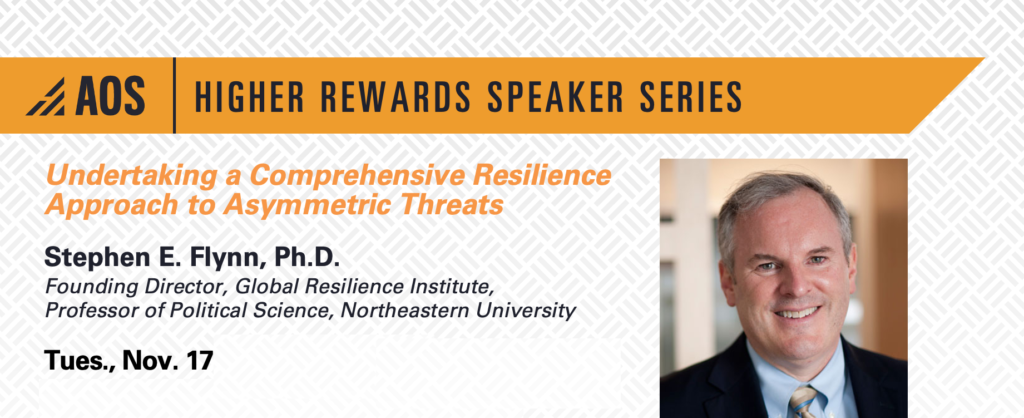
AOS Higher Rewards Speaker Series: Undertaking a Comprehensive Resilience Approach to Asymmetric Threats

This event featured GRI Founding Director, Stephen Flynn, who facilitated a discussion focused on on undertaking a comprehensive resilience approach…

Answers sought in wake of deadly pipeline explosion in central Mexico

On January 18, a gas pipeline in central Mexico exploded, killing at least 95 people as of January 23. Authorities report that the explosion was located in Tlahuelilpan in the Mexican State of Hidalgo, where a gasoline pipeline had been tapped illegally.

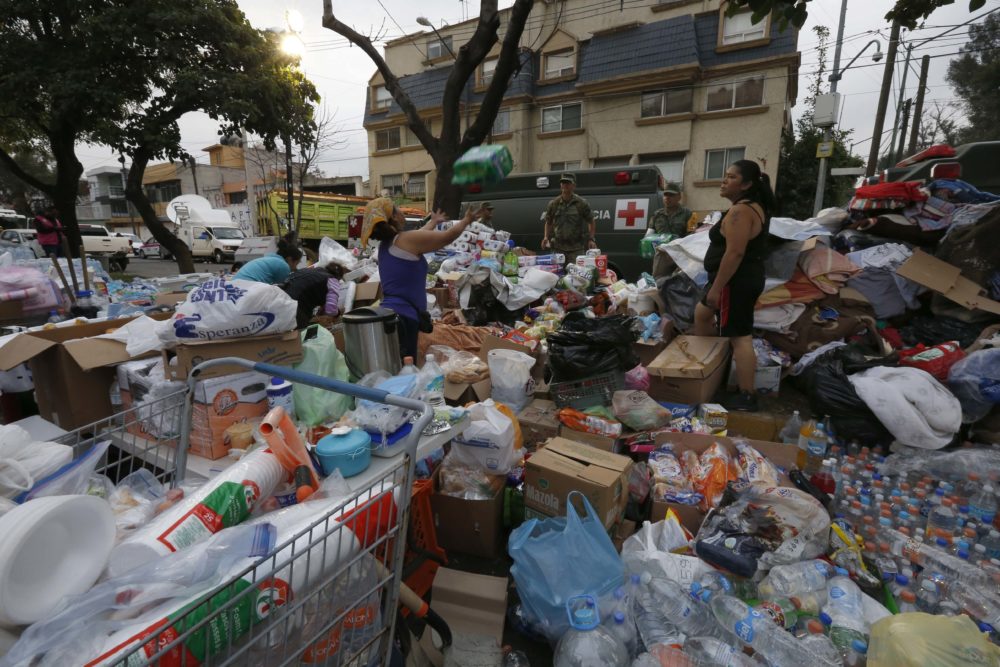
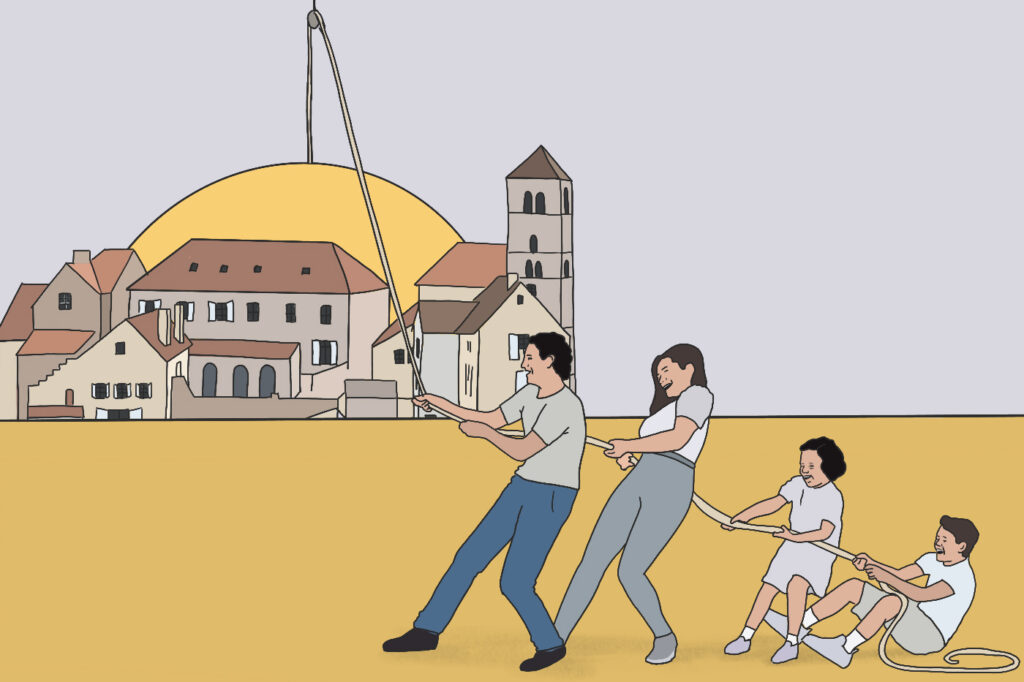
Ann Lesperance and Daniel Aldrich in News@Northeastern: How to Rebound from Disasters? Resilience Starts in the Neighborhood.

The Beatles might have gotten it right. When disaster strikes, you truly do get by with a little help from…

Anchorage demonstrates rapid recovery after earthquake

Less than two weeks ago, Alaska was struck by a major 7.0 magnitude earthquake, which caused extensive damage to Alaskan infrastructure, and particularly to its roads. Photos of broken asphalt and slumped sediments brought concern to other parts of the nation, particularly those prone to earthquakes, about their own preparedness levels for the next big earthquake.
  • Previous
  • 73
  • 74
  • 75
  • 76
  • 77(current)
  • 78
  • 79
  • 80
  • 81
  • Next