Logo
Logo
  • About
    • Previous
    • About
    • About GRI
    • Resilience Overview
    • Team
  • Resources
    • Previous
    • Resources
    • Resilience News
    • Publications
    • Upcoming Events
    • Resilience Projects
  • Resilience Programs
    • Previous
    • Resilience Programs
    • Global Resilience Research Network
    • Resilience Champions
    • Corporate Partnerships
    • Seed Grant Program
  • Resilience Education
    • Previous
    • Resilience Education
    • Resilience Courses
    • Degree Programs
  • Contact
  • LinkedIn

Publications

  • GRI Core Projects
  • Publications
  • Resilience News
  • Stephen Flynn
  • A–Z
  • Z–A
  • Newest First
  • Oldest First
  • Barbados
  • Behavioral Health
  • Book Launch
  • caribbean
  • Climate change
  • climate isolationism
  • climate justice
  • Coastal Infrastructure
  • Coastal Resilience
  • Community
  • Community Resilience
  • County Budget
  • Critical Infrastructure
  • Cybersecurity
  • Distinguished Senior Fellow
  • Dominica
  • Emergency response
  • Energy
  • Enterprise
  • Faculty Affiliate
  • global resilience
  • GRI Whitepaper Series
  • Healthcare
  • Hurricane Season
  • Individual Resilience
  • island nations
  • Jennie Stephens
  • Machine Learning
  • Natural disasters
  • Policy and practice
  • Project: Coastal flooding prediction and mitigation
  • Project: Critical Infrastructure Network (CInet)
  • Project: Cyber NTSB
  • Project: Resilience media
  • Public Expenditures
  • Research
  • Resilience
  • Societal Resilience
  • Solution: Critical Infrastructure Resilience
  • Solution: Cyber Resilience
  • Solution: Incident Management & Business Continuity and Recovery
  • Solution: Integrated Resilience Action Planning for Enterprises
  • Solution: Integrated Resilience Enhancement Solution
  • Solution: Post-Disaster Assessment and Advisory
  • Solution: Supply Chain
  • Solution: Vetted Technology Resilience
  • Stephen Flynn
  • Supply Chain
  • Technology
  • Telecommunication
  • Terrorism
  • Transportation
  • Urban Resilience
  • USAID
housing si report

Housing Insecurity in New England

Housing is a necessity, a choice, a financial investment, and a human right. For many communities, their housing supply, affordability, and quality are the invisible infrastructure that supports growth, vitality, sustainability, inclusion and resilience.

How Fear Distorts Our Thinking About the Coronavirus

When it comes to making decisions that involve risks, we humans can be irrational in quite systematic ways — a fact that the psychologists Amos Tversky and Daniel Kahneman famously demonstrated with the help of a hypothetical situation, eerily apropos of today’s coronavirus epidemic, that has come to be known as the Asian disease problem.

How Long Can Rare Earth Elements Stay “Rare” for U.S. Supply Chains?

Read full publication: How long can rare Earth elements stay rare Rare Earth Elements (REE) are a group of 17 metallic…
economic relief

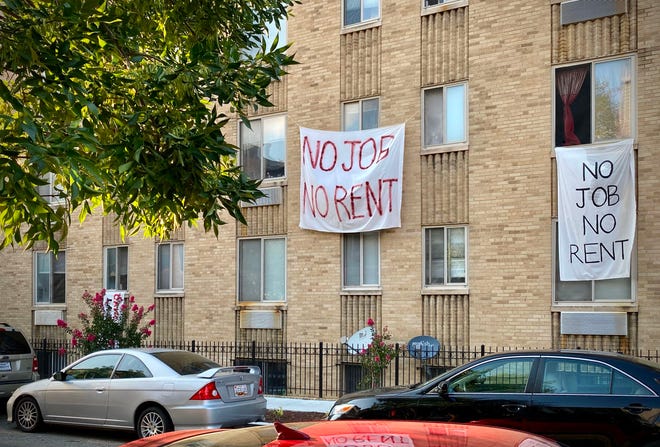
How Much Rent Relief Will I Get? You’re More Likely to Get Help if You’re White and Live in Rural America.

The Emergency Assistance Rental Program won't benefit all Americans equally, according to a USA TODAY analysis. The government payments will overwhelmingly…
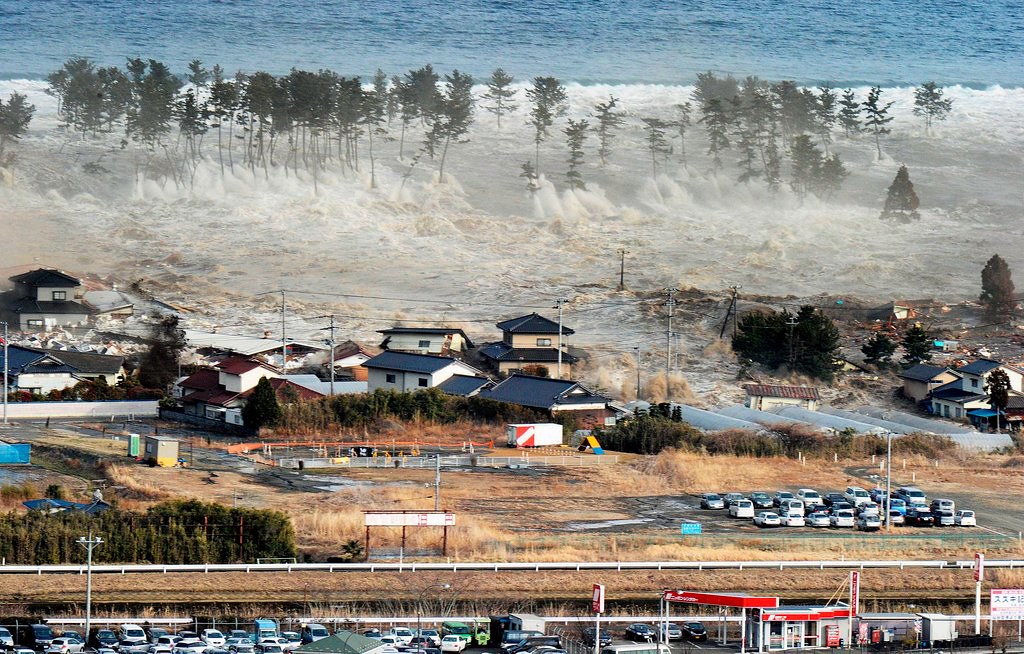
How Natural Hazards Impact the Social Environment for Vulnerable Groups: An Empirical Investigation in Japan

Much research has demonstrated that vulnerable people fare more poorly than non vulnerable ones in disasters and crises across a…

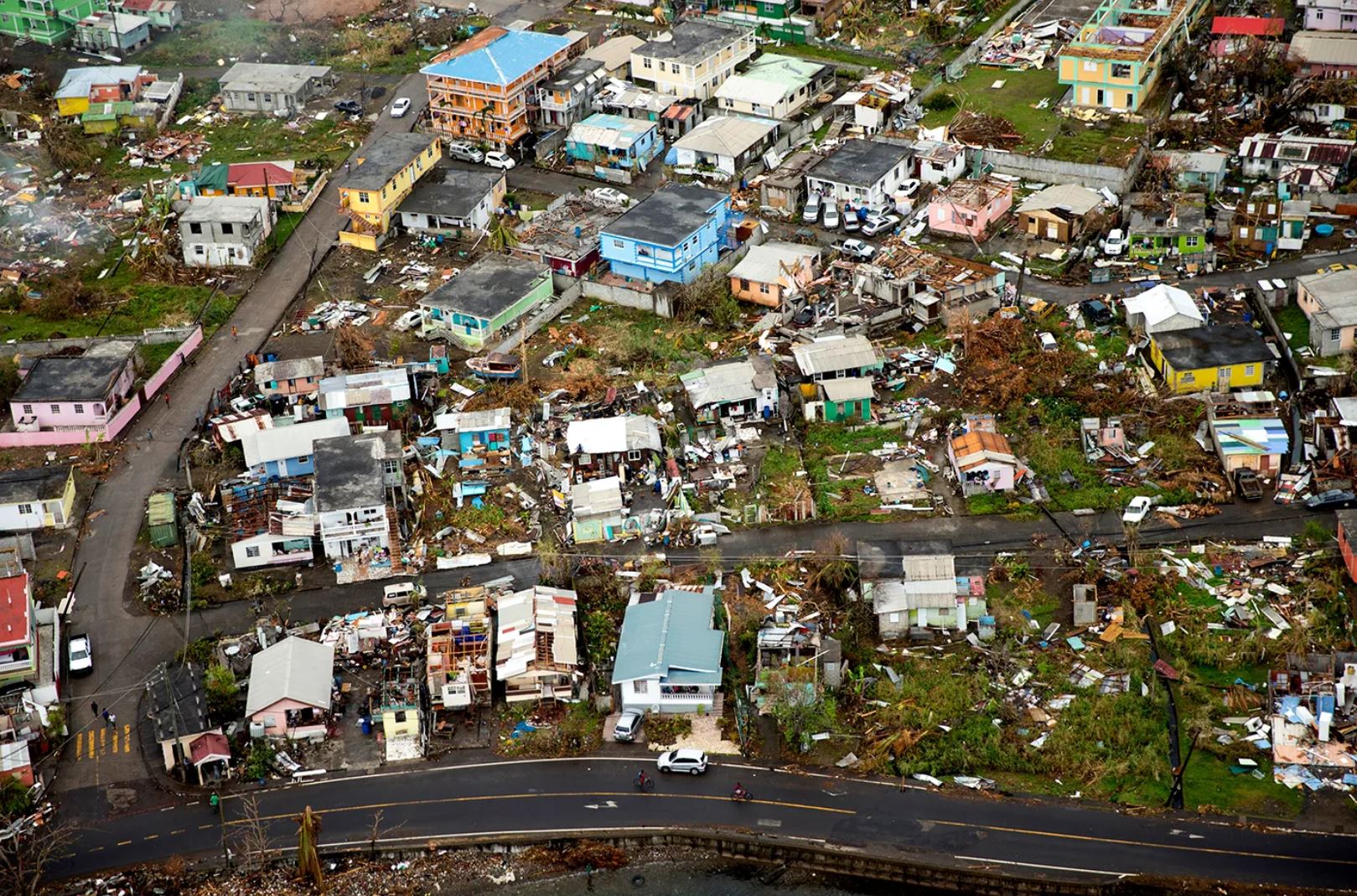
How Northeastern is helping Caribbean communities combat climate change and extreme weather

With the help of a $1 million recently awarded federal grant, GRI and its GRRN island members, are partnering with three communities in Barbados and Dominica over the next two years to develop plans to respond to climate change and extreme weather events.
Aldrich Japan Times

How To Decarbonize Japan

Japanese Prime Minister Yoshihide Suga has pledged that his country will become carbon neutral by 2050. “Responding to climate change…

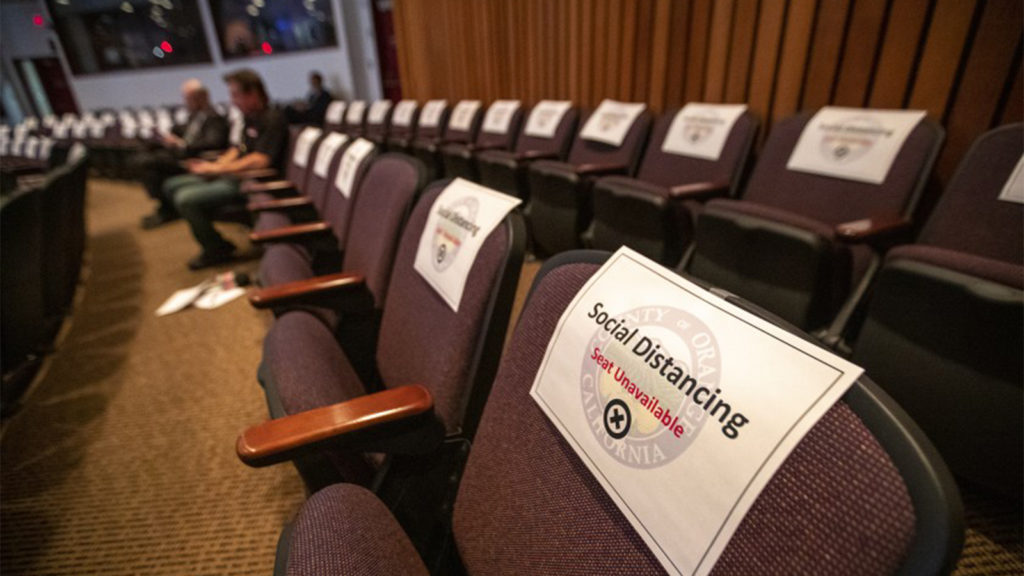
How to mix compassion and cooperation into social distancing

Resilient societies are able to bounce back from disruptions. The capacity to rebuild physical infrastructure is, of course, important after calamity strikes. But resilience also requires shoring up social infrastructure, the ties that bind us together.
AI China

Human Decisions Still Needed in Artificial Intelligence for War

The NSCAI maintains that a global treaty that prohibits the development, deployment and use of artificial intelligence (AI) enabled weapons…
PubMed

Hyaluronic Acid-Based Shape-Memory Cryogel Scaffolds for Focal Cartilage Defect Repair

Traumatic joint injuries can result in significant cartilage defects, which can greatly increase the risk of osteoarthritis development. Due to…
Power lines

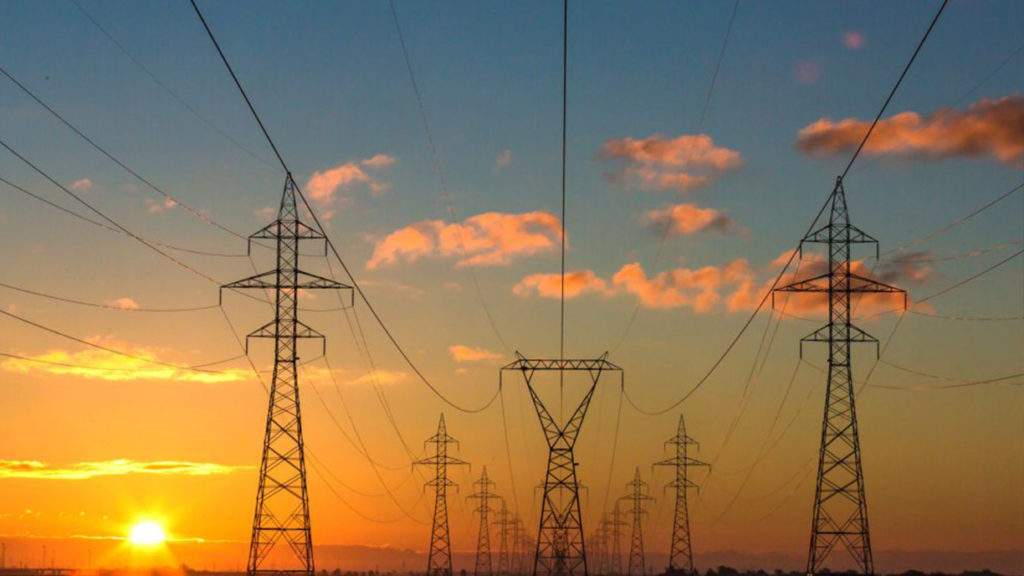
Identifying Heterogeneous Infrastructure Interdependencies through Multiverse Simulation

When an infrastructure system responds to a disruption, its adaptive behavior can be described by the interactions between elements. These…
fisheries si report

Impacts to New England’s Commercial Fisheries

COVID-19 continues to have severe socioeconomic impacts on New England’s commercial fishing communities. All facets of New England fisheries have been disrupted. In addition to the commercial fishers themselves, the dealers, processors, distribution, labor and consumer demand have been severely impacted.
  • Previous
  • 5
  • 6
  • 7
  • 8
  • 9(current)
  • 10
  • 11
  • 12
  • 13
  • Next