Logo
Logo
  • About
    • Previous
    • About
    • About GRI
    • Resilience Overview
    • Team
  • Resources
    • Previous
    • Resources
    • Resilience News
    • Publications
    • Upcoming Events
    • Resilience Projects
  • Resilience Programs
    • Previous
    • Resilience Programs
    • Global Resilience Research Network
    • Resilience Champions
    • Corporate Partnerships
    • Seed Grant Program
  • Resilience Education
    • Previous
    • Resilience Education
    • Resilience Courses
    • Degree Programs
  • Contact
  • LinkedIn

Resilience News

  • GRI Core Projects
  • Publications
  • Resilience News
  • Stephen Flynn
  • A–Z
  • Z–A
  • Newest First
  • Oldest First
  • Architecture
  • Award
  • Barbados
  • Behavioral Health
  • Black Sea
  • Book Launch
  • caribbean
  • Chief Technology Officer
  • Climate change
  • Coastal Infrastructure
  • Coastal Resilience
  • Community
  • Community Resilience
  • COVID-19
  • Critical Infrastructure
  • Cyber Resilience
  • Cybersecurity
  • designs
  • Distinguished Senior Fellow
  • Dominica
  • Ecology
  • Economic Resilience
  • Educational Resilience
  • Emergency response
  • Energy
  • Enterprise
  • Enterprise Resilience
  • Environmental Resilience
  • Event Recap
  • Faculty Affiliate
  • Food Crisis
  • global resilience
  • GrainCrisis
  • GRI Whitepaper Series
  • Healthcare
  • Hurricane Season
  • Individual Resilience
  • Internet Resilience
  • island nations
  • Massachusetts
  • Nada Sanders
  • nantucket
  • Odesa
  • Organizational Resilience
  • Partners
  • Policy and practice
  • Project: Creating a resilient Internet of Things (IoT)
  • Project: Critical Infrastructure Network (CInet)
  • Research
  • Resilience
  • Russia
  • Social Resilience
  • Societal Resilience
  • Solution: Critical Infrastructure Resilience
  • Solution: Cyber Resilience
  • Solution: Incident Management & Business Continuity and Recovery
  • Solution: Integrated Resilience Action Planning for Enterprises
  • Solution: Integrated Resilience Enhancement Solution
  • Solution: Supply Chain
  • Solution: Vetted Technology Resilience
  • Stephen Flynn
  • Supply Chain
  • Sustainability
  • Technology
  • Terrorism
  • Transportation
  • Ukraine
  • Urban Development
  • USAID
  • Vaccination

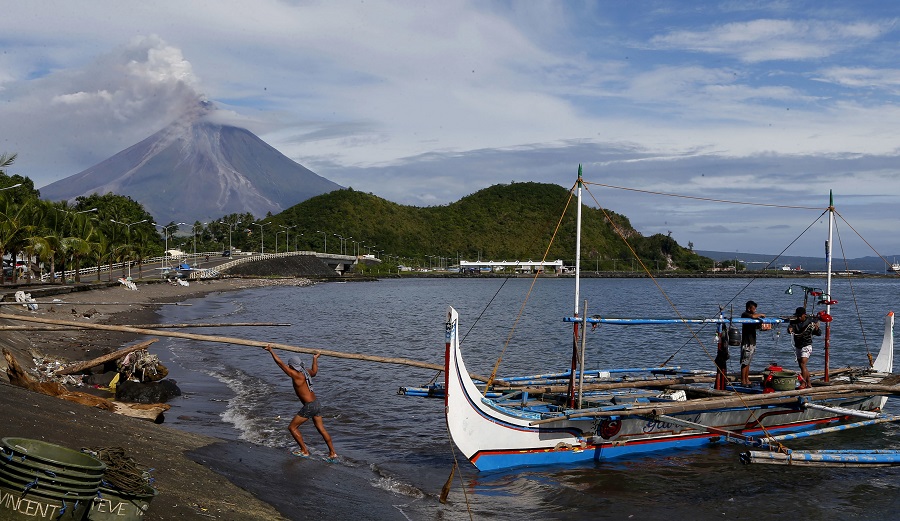
Volcanic eruption fatalities prompt investigations

Forty seven visitors were on White Island, also known as Whakaari, off the coast of New Zealand when the island’s volcano erupted. Six people have died as a result of the eruption and several more are severely injured and burned. This sudden tragedy has led many to question why the Island, which is home to New Zealand’s most active Volcano, was open for visitors. GeoNet, an agency which assesses volcanic risk activity levels in New Zealand increased its monitoring of the volcano’s activity from level zero to two in the weeks leading up to the eruption.
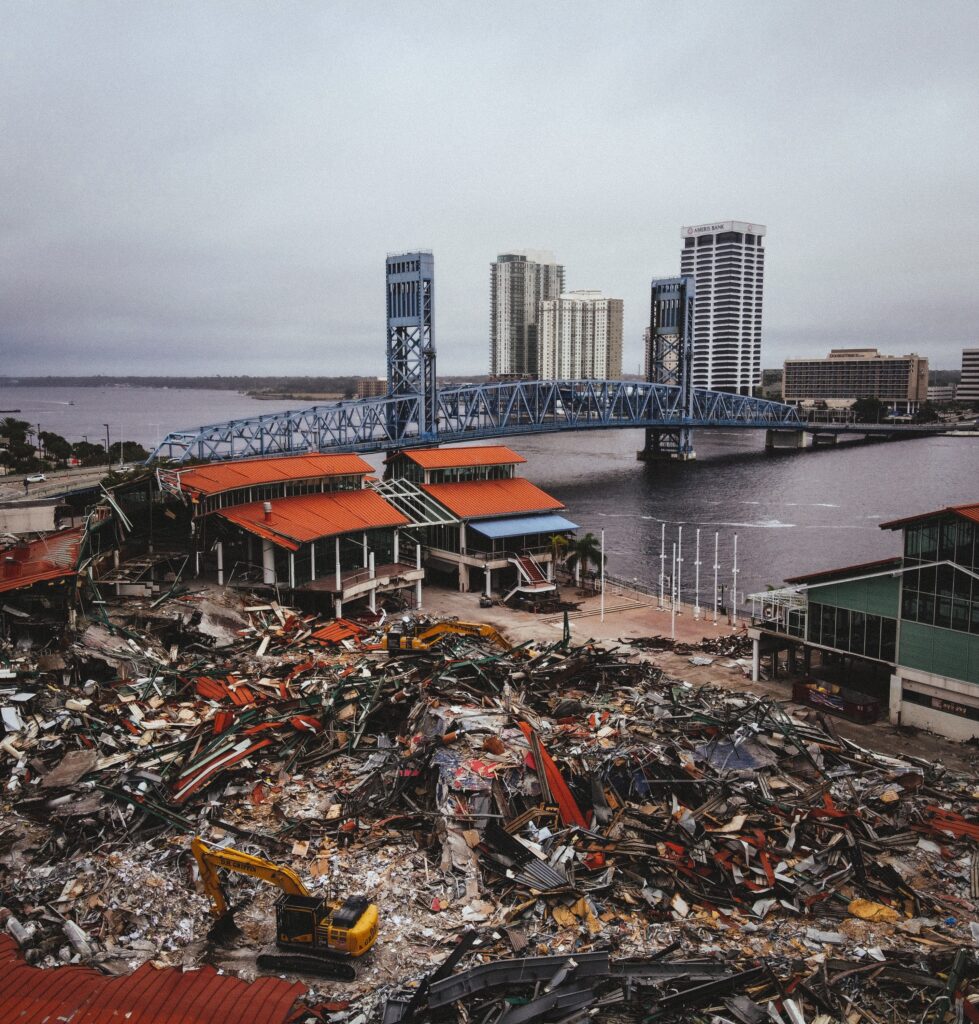

Visualizing Resilience

As I’m writing this, we’re at the end of our election cycle in the US. For months, we’ve been bombarded…

Viewpoint or Perspective during this Pandemic 2020

A viewpoint is a format of narration. Perspective, on the other hand, is constituted within a person’s sense of culture,…

Using Shodan as a tool to find vulnerable devices | GRI Blog

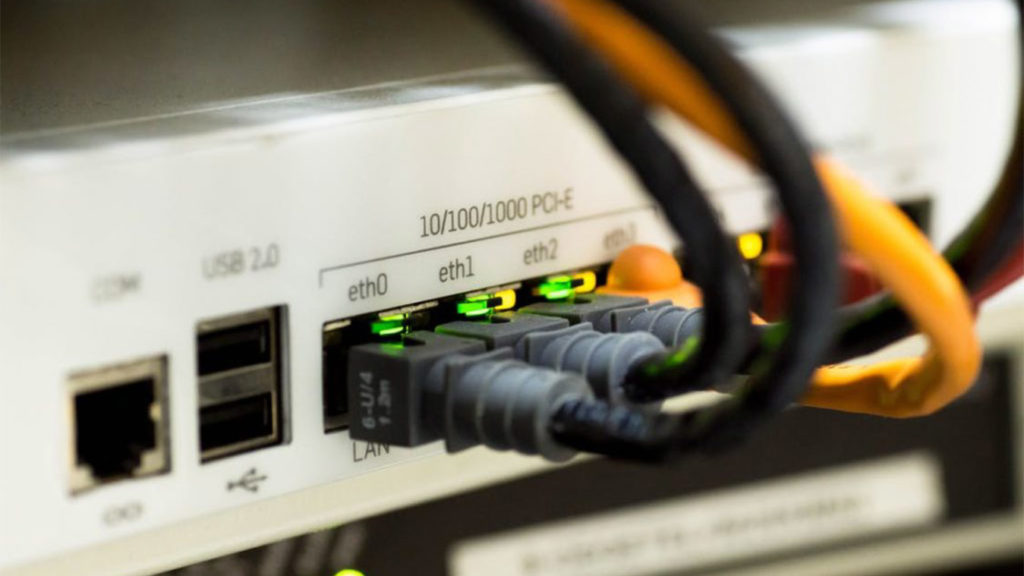
In the last blog post, we looked at the case study of the Kemrui Water company as outlined by the Verizon Data Breach Report which underscored potential consequences of having industrial control systems connected to the public internet. This post will go a little bit deeper and look at the ease in which a device similar to those that were probably in use at the water company and connected to the public internet can be found and potentially exploited. For this process I used the tool ‘Shodan’. Shodan is essentially a search engine for internet connected devices. It ‘crawls’ the internet, sending out connection requests and recording the public results, which include banner information, open ports, and running services. There have been numerous articles and blogs that highlight how Shodan has been used to find internet of things devices such as webcameras, license plate readers, programmable logic controllers (PLC), even ships using satellite antennas and botnet command and control servers.

Using drones to quickly and safely assess infrastructure, post-earthquake | King 5 Seattle

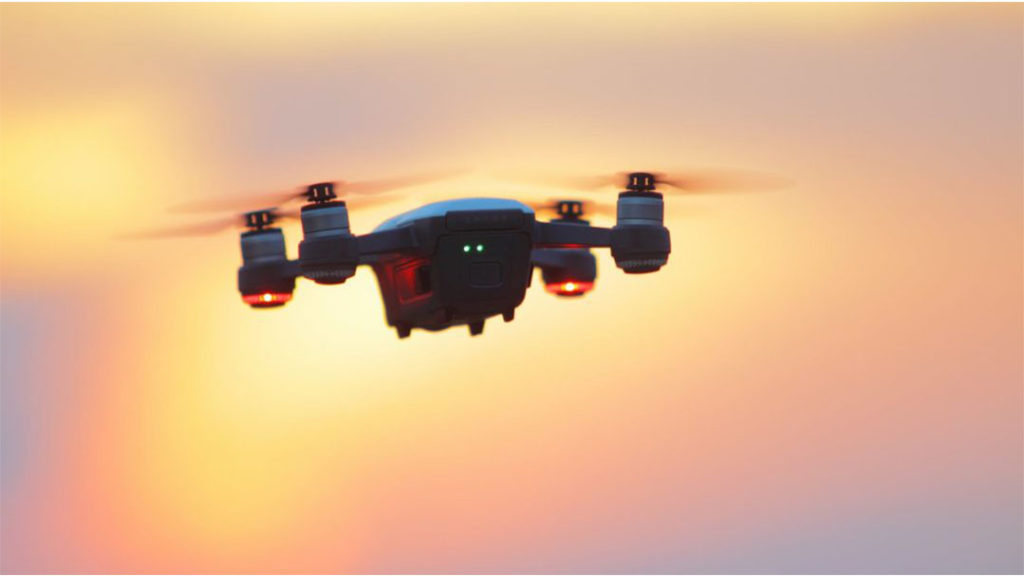
After an earthquake strikes, how do you quickly and safely assess bridges, roads and other pieces of infrastructure that communities  rely on?

US cities look to invest in resilience hubs

Neighborhoods with extensive social capital are better equipped to bounce back after disasters. The presence of schools, playgrounds, parks, and recreational spaces allow for social cohesion and a heightened ability to recover after incidents like heat waves, floods, and power outages.

US "digital divide": how internet access disparities affect resilience

The benefits of home internet access are countless. Having an internet connection allows families and individuals to engage in the economy, gain access to information which can improve quality of life, stay informed of news and connect with others. While mainstream internet use has come to influence almost every facet of life in the United States and across the globe, not all communities have been exposed to its resources at the same rates. 

Urban and rural environments pose challenges to climate-change resilience

As the effects of climate change lead to severe weather patterns around the globe, urban and rural areas have ongoing, interconnected challenges to confront. Many leaders are beginning to look to resilience solutions to combat these challenges, which must be tailored to the divergent problems faced by different regions. The effects of climate change have been especially severe around the equator. A report produced by James Cook University in Australia estimated that half of the world’s population will live in tropical climates by 2050, as populations and economies around the equator grow rapidly, and the tropics expand.

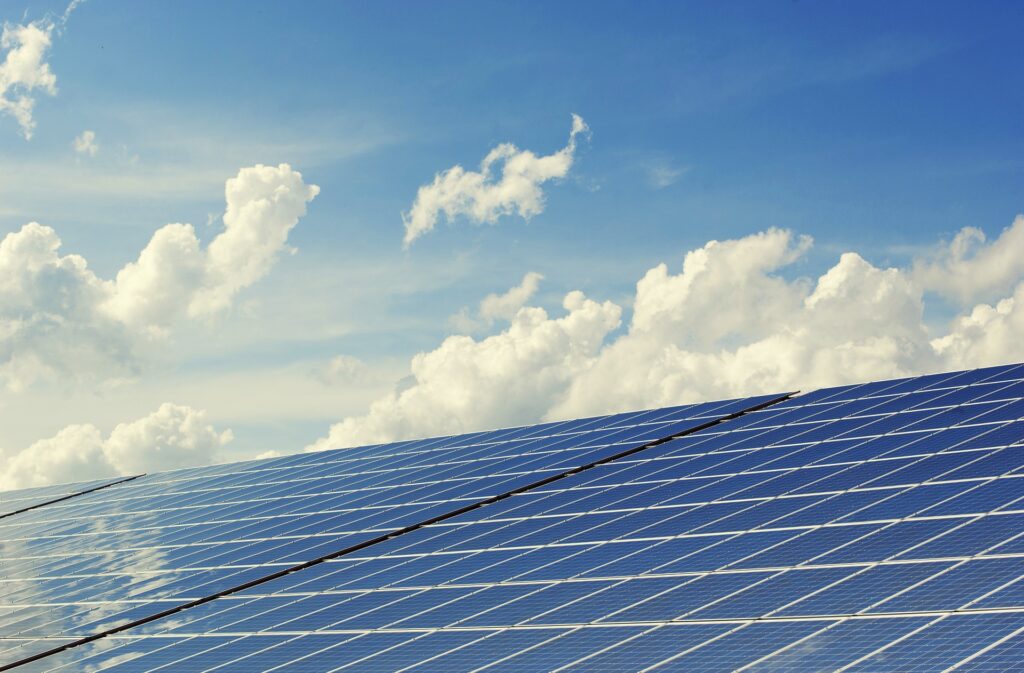
Unproven Technology to Block Sun’s Rays Raises Practical, Ethical Concerns, Experts Say

As it stands, research into solar geoengineering continues. Harvard hopes to restart its SCoPEx project by 2022, though its researchers have…

University of West Indies joins the Global Resilience Research Network

The Global Resilience Institute (“GRI”) at Northeastern University is pleased to announce that The University of West Indies (“The UWI”) has joined the growing Global Resilience Research Network (“GRRN”).

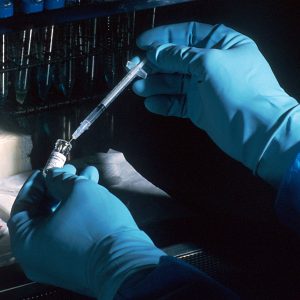
United States’ yellow fever vaccine in short supply

Brazil currently finds itself in the middle of a Yellow Fever outbreak. The virus, which is transmitted by mosquitoes, has…

U.S. Department of Defense reviewing policies after security concerns arise over fitness tracking feature

The growth of wearable technology, as well as the ubiquity of cell phones, has become a prime example of the tradeoff between security and convenience. The most recent vulnerability came to light on January 27, when an Australian security student was looking at the public heat map of the location of Fitbit and other fitness app users, published by GPS tracking company Strava. The map shows anonymized data, amassed from 2015 to September 2017, of the location and routes of people who track their workouts, an increasingly common and popular feature. However, the growth of these apps, as well as a Pentagon fitness initiative in 2013 which distributed Fitbits, means many American soldiers around the world may use them to track their fitness – and daily steps. This constant use results in the heat maps showing not just the locations of what may be secret military installations, but the habitual movements of those stationed there – a clear security risk.
  • Previous
  • 1
  • 2
  • 3(current)
  • 4
  • 5
  • 6
  • 7
  • Next