Logo
Logo
  • About
    • Previous
    • About
    • About GRI
    • Resilience Overview
    • Team
  • Resources
    • Previous
    • Resources
    • Resilience News
    • Publications
    • Upcoming Events
    • Resilience Projects
  • Resilience Programs
    • Previous
    • Resilience Programs
    • Global Resilience Research Network
    • Resilience Champions
    • Corporate Partnerships
    • Seed Grant Program
  • Resilience Education
    • Previous
    • Resilience Education
    • Resilience Courses
    • Degree Programs
  • Contact
  • LinkedIn

Resilience News

  • GRI Core Projects
  • Publications
  • Resilience News
  • Stephen Flynn
  • A–Z
  • Z–A
  • Newest First
  • Oldest First
  • Architecture
  • Award
  • Barbados
  • Behavioral Health
  • Black Sea
  • Book Launch
  • caribbean
  • Chief Technology Officer
  • Climate change
  • Coastal Infrastructure
  • Coastal Resilience
  • Community
  • Community Resilience
  • COVID-19
  • Critical Infrastructure
  • Cyber Resilience
  • Cybersecurity
  • designs
  • Distinguished Senior Fellow
  • Dominica
  • Ecology
  • Economic Resilience
  • Educational Resilience
  • Emergency response
  • Energy
  • Enterprise
  • Enterprise Resilience
  • Environmental Resilience
  • Event Recap
  • Faculty Affiliate
  • Food Crisis
  • global resilience
  • GrainCrisis
  • GRI Whitepaper Series
  • Healthcare
  • Hurricane Season
  • Individual Resilience
  • Internet Resilience
  • island nations
  • Massachusetts
  • Nada Sanders
  • nantucket
  • Odesa
  • Organizational Resilience
  • Partners
  • Policy and practice
  • Project: Creating a resilient Internet of Things (IoT)
  • Project: Critical Infrastructure Network (CInet)
  • Research
  • Resilience
  • Russia
  • Social Resilience
  • Societal Resilience
  • Solution: Critical Infrastructure Resilience
  • Solution: Cyber Resilience
  • Solution: Incident Management & Business Continuity and Recovery
  • Solution: Integrated Resilience Action Planning for Enterprises
  • Solution: Integrated Resilience Enhancement Solution
  • Solution: Supply Chain
  • Solution: Vetted Technology Resilience
  • Stephen Flynn
  • Supply Chain
  • Sustainability
  • Technology
  • Terrorism
  • Transportation
  • Ukraine
  • Urban Development
  • USAID
  • Vaccination

Florida feels the lasting effects of algae blooms

Florida is breathing a sigh of relief now that its red tide algae blooms are almost entirely gone from the Gulf Coast of Florida. According to the Florida Fish and Wildlife Conservation Commission’s December 10-18 Red tide status map, there is only one location where there was a high concentration of Karenia brevis, the organism responsible for the red tide algal blooms.


Resilience technology funded through new Northeastern University GapFund360 grant

A new funding program at Northeastern University (NU) overseen by the Center for Research Innovation (CRI) will help faculty researchers bridge the gap between promising lab results and a commercially viable prototype. GapFund360 officially launched on Tuesday, with five inaugural Phase I awards of $50,000, including the Innovative Resilience Solutions Grant, co-sponsored by the Global Resilience Institute and CRI.

Using drones to quickly and safely assess infrastructure, post-earthquake | King 5 Seattle

After an earthquake strikes, how do you quickly and safely assess bridges, roads and other pieces of infrastructure that communities  rely on?

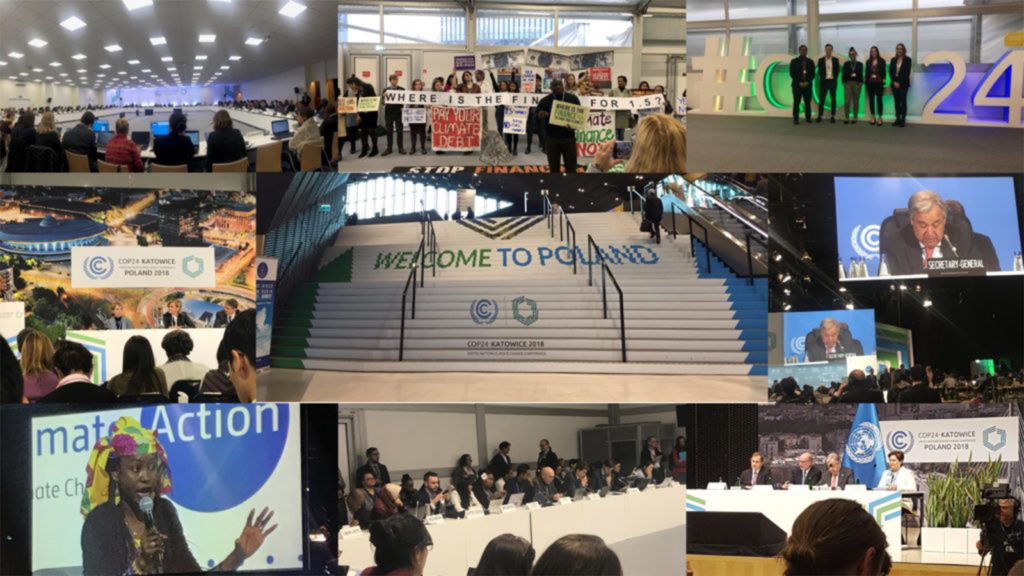
Student delegation from Northeastern University and Global Resilience Institute attends UN Climate Change Conference | COP24 Blog

A delegation of Northeastern University (NU) students is attending the 24th Conference of the Parties to the United Nations Framework Convention on Climate Change (COP24) event in Poland, led by Global Resilience Institute (GRI) Associate Director of Strategic Research Collaborations Laura Kuhl and GRI Program Manager for Research Partnerships Kyla Van Maanen. 

Anchorage demonstrates rapid recovery after earthquake

Less than two weeks ago, Alaska was struck by a major 7.0 magnitude earthquake, which caused extensive damage to Alaskan infrastructure, and particularly to its roads. Photos of broken asphalt and slumped sediments brought concern to other parts of the nation, particularly those prone to earthquakes, about their own preparedness levels for the next big earthquake.

Northeastern senior and former Global Resilience Institute co-op receives Pickering Fellowship

Erin Bourque, Northeastern University senior and former Global Resilience Institute co-op, has received the prestigious Pickering Fellowship.

Summary: IPCC Special Report on 1.5°C

The United States was one of four countries that declined to endorse the Intergovernmental Panel on Climate Change (IPCC) global warming study at the UN Climate Change (COP24) conference over the weekend, joining Russia, Saudi Arabia and Kuwait.

7.0 magnitude earthquake causes extensive damage to Alaskan infrastructure

A 7.0 magnitude earthquake struck north of Anchorage, Alaska’s largest city, on November 30, causing major infrastructure damage. The earthquake occurred in a seismically active region along the Alaska-Aleutian subduction zone, where the Pacific plate is forced underneath the North American plate.

A bright side to those climate change reports?

A dire new climate report compiled by 13 U.S. federal agencies begins with an unequivocal pronouncement: “Earth’s climate is now changing faster than at any point in modern history, primarily as a result of human activities.”

Emergency alerts during California’s Camp Fire highlight reliance on fragile communication systems

California’s deadliest and most destructive wildfire in history, the Camp Fire, was fully contained on Sunday, November 25, after burning for more than two weeks through 153,000 acres in Northern California's Butte County. The blaze devastated the town of Paradise, and killed at least 85 with hundreds still unaccounted for. The Woolsey Fire, which ignited on the same day according to Cal Fire, simultaneously tore through more than 90,000 acres in Southern California, killing three, before being contained last Wednesday. 

‘Food Security Hackathon’ explores data, draws insights on Boston’s food system, economic disruption and resilience

How stable and just is Boston's food system? What does it look like, in size and complexity?

How can the rest of the country prepare for wildfires like those in California?

Firefighters, legislators, and residents on the East Coast should watch carefully the way their California counterparts are dealing with wildfires tearing through the state. The combined forces that brought about the blaze are growing more and more present in the Northeast, said Stephen Flynn, founding director of Northeastern’s Global Resilience Institute.
  • Previous
  • 52
  • 53
  • 54
  • 55
  • 56(current)
  • 57
  • 58
  • 59
  • 60
  • Next