Logo
Logo
  • About
    • Previous
    • About
    • About GRI
    • Resilience Overview
    • Team
  • Resources
    • Previous
    • Resources
    • Resilience News
    • Publications
    • Upcoming Events
    • Resilience Projects
  • Resilience Programs
    • Previous
    • Resilience Programs
    • Global Resilience Research Network
    • Resilience Champions
    • Corporate Partnerships
    • Seed Grant Program
  • Resilience Education
    • Previous
    • Resilience Education
    • Resilience Courses
    • Degree Programs
  • Contact
  • LinkedIn

Resilience News

  • GRI Core Projects
  • Publications
  • Resilience News
  • Stephen Flynn
  • A–Z
  • Z–A
  • Newest First
  • Oldest First
  • Architecture
  • Award
  • Barbados
  • Behavioral Health
  • Black Sea
  • Book Launch
  • caribbean
  • Chief Technology Officer
  • Climate change
  • Coastal Infrastructure
  • Coastal Resilience
  • Community
  • Community Resilience
  • COVID-19
  • Critical Infrastructure
  • Cyber Resilience
  • Cybersecurity
  • designs
  • Distinguished Senior Fellow
  • Dominica
  • Ecology
  • Economic Resilience
  • Educational Resilience
  • Emergency response
  • Energy
  • Enterprise
  • Enterprise Resilience
  • Environmental Resilience
  • Event Recap
  • Faculty Affiliate
  • Food Crisis
  • global resilience
  • GrainCrisis
  • GRI Whitepaper Series
  • Healthcare
  • Hurricane Season
  • Individual Resilience
  • Internet Resilience
  • island nations
  • Massachusetts
  • Nada Sanders
  • nantucket
  • Odesa
  • Organizational Resilience
  • Partners
  • Policy and practice
  • Project: Creating a resilient Internet of Things (IoT)
  • Project: Critical Infrastructure Network (CInet)
  • Research
  • Resilience
  • Russia
  • Social Resilience
  • Societal Resilience
  • Solution: Critical Infrastructure Resilience
  • Solution: Cyber Resilience
  • Solution: Incident Management & Business Continuity and Recovery
  • Solution: Integrated Resilience Action Planning for Enterprises
  • Solution: Integrated Resilience Enhancement Solution
  • Solution: Supply Chain
  • Solution: Vetted Technology Resilience
  • Stephen Flynn
  • Supply Chain
  • Sustainability
  • Technology
  • Terrorism
  • Transportation
  • Ukraine
  • Urban Development
  • USAID
  • Vaccination

Dealing with setbacks | A series on personal resilience

In my last post, I talked about the importance of optimism and how pessimistic beliefs can lead to negative consequences and less resiliency, Fortunately, it’s possible to change the way you think about setbacks by being more optimistic.

The cascading health and economic impacts of hospital closures on rural communities

According to The University of North Carolina’s Rural Health Research Program, 89 of the nation’s rural hospitals have closed since 2010, most of them located in the Southeast United States. The Chartis Center for Rural Health and  iVantage Health Analytics reported that 673 hospitals were vulnerable to closure in 2016.

Hunger crisis in Yemen highlights importance of food and healthcare security

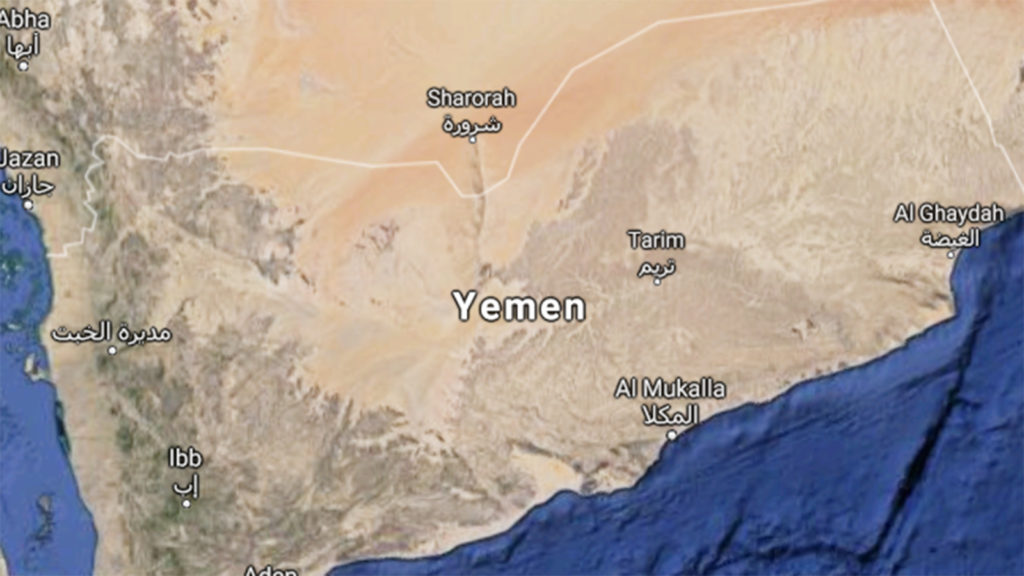
After three years of conflict, the humanitarian situation in Yemen only continues to worsen. The war, which is fought between the Saudi-led coalition supporting the incumbent regime, with American supplies, and the Houthi rebels, has claimed nearly 50,000 lives. The factions have made it difficult for aid groups and humanitarian organizations to reach vulnerable populations, causing a famine that has devastated the country. It is estimated that 17.8 million Yemeni, over half of the population, are food insecure, and an additional 8.4 million are unaware of where their next meal will come from. According to a UN report, 400,000 children are at risk of dying daily due to lack of sufficient food sources.

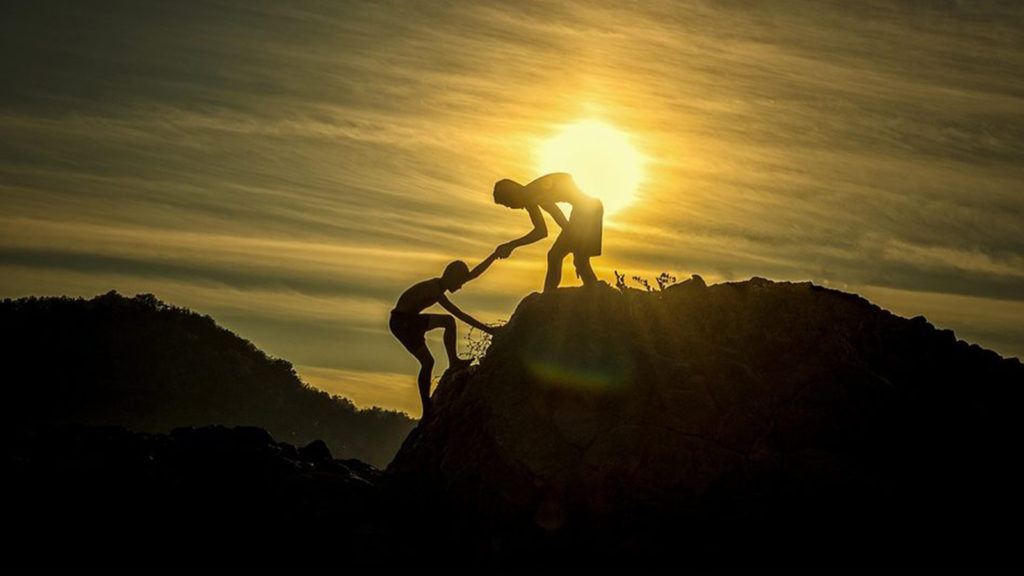
Optimism and adversity | A series on personal resilience

Why Are Optimistic People Optimistic? In my previous post, I wrote about resilience—what it is and what it isn’t—and how resilience can be learned. I also wrote about how the opposite of resilience—helplessness—can also be learned. Lastly I talked about the effects our “explanatory styles” can have on how we respond to adversity.

New study hopes to reduce smog in Northern China while avoiding last year’s heating crisis

As the cold winter months approach, Northern China prepares to face a new smog season.

New IPCC Report: Strengthening global response to climate change will require ‘rapid, far-reaching and unprecedented changes’

The Intergovernmental Panel on Climate Change (IPCC) released a report on October 8, 2018 that alarmed many in the global community. The report stated that in order to prevent global temperatures from rising just 1.5ºC, there needs to be, “rapid and far-reaching transitions in energy, land, urban and infrastructure, and industrial systems” or the world will see catastrophic damage as early as 2030.

Thriving in the face of adversity | A series on personal resilience

If you have any doubt that, in the words of Ben Okri, “The most authentic thing about us is our capacity to create, to overcome, to endure, to transform, to love and to be greater than our suffering,” than you haven’t met Sgt. 1st Class Greg Robinson, a combat engineer who became the first soldier with an amputated limb and prosthetic to complete the Army’s Air Assault School—a course so grueling his prosthetic broke twice.

Graduate student-led GRI team wins prize at HSAC ‘Crisis Management Case Challenge’ for interdisciplinary resilience proposal

On October 16, a team of Global Resilience Institute researchers were awarded second place for a presentation to the Los Angeles Homeland Security Advisory Council (HSAC) on their work to promote and advance resilience to disasters in vulnerable communities.

Evacuate or shelter in place? The challenges faced by healthcare facilities in the path of hurricanes

Healthcare facilities in the paths of hurricanes have a unique challenge, balancing patient and staff health and safety and the need to stay open to deal with ongoing emergencies during and after the storm. For Hurricane Michael, which made landfall last Wednesday, over 30 healthcare facilities, including hospitals and nursing homes had to be evacuated.

Coastal towns reduced to rubble following Hurricane Michael

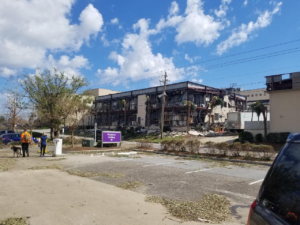
Following an intensification over the warm waters of the Gulf of Mexico, Hurricane Michael left coastal towns in a state of complete obliteration. Now ranked as one of the four most powerful hurricanes to ever hit the United States, Michael tore through the Florida Panhandle last Wednesday, October 10, with sustained wind speeds of up to 155 miles per hour. Paired with heavy rain, this resulted in peak storm surge of 9 to 14 feet, which wrenched walls off houses and completely inundated coastal areas.

New legislation emphasizes resilience over reconstruction: Invest in mitigation today to save on recovery costs tomorrow

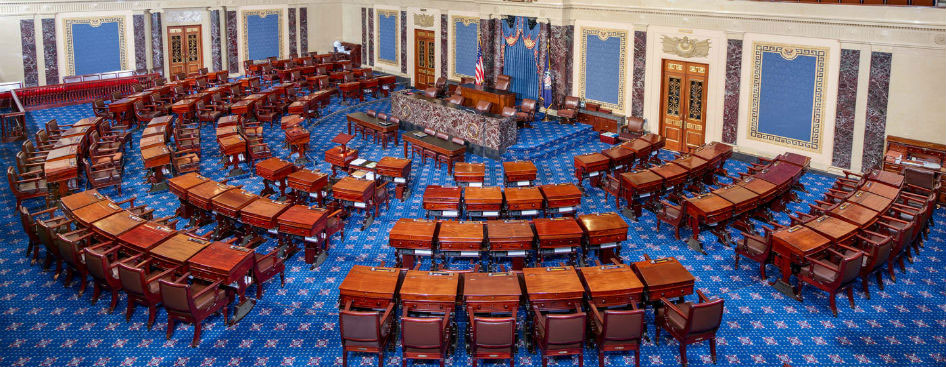
A recent study by the National Institute of Building Sciences (NIBS) revealed that every dollar invested in mitigation saves approximately six dollars in recovery costs - a statistic that generated bipartisan interest in increasing funding for disaster mitigation efforts.

Applying chaos engineering principles to community resilience

Chaos engineering doesn’t just look at the software, it considers the entire system: software, hardware and people. This may involve multiple programs, run on many different servers, with input from people or from other programs. Periodically, user demand leads to addition of new features but with the expectation that the system will remain reliable. And yet, even if each individual program is operating “correctly” sometimes the system produces unreliable output. In general, faulty communications among the different parts of the distributed system most often are the root cause of these problems.
  • Previous
  • 53
  • 54
  • 55
  • 56
  • 57(current)
  • 58
  • 59
  • 60
  • 61
  • Next