Logo
Logo
  • About
    • Previous
    • About
    • About GRI
    • Resilience Overview
    • Team
  • Resources
    • Previous
    • Resources
    • Resilience News
    • Publications
    • Upcoming Events
    • Resilience Projects
  • Resilience Programs
    • Previous
    • Resilience Programs
    • Global Resilience Research Network
    • Resilience Champions
    • Corporate Partnerships
    • Seed Grant Program
  • Resilience Education
    • Previous
    • Resilience Education
    • Resilience Courses
    • Degree Programs
  • Contact
  • LinkedIn

Resilience News

  • GRI Core Projects
  • Publications
  • Resilience News
  • Stephen Flynn
  • A–Z
  • Z–A
  • Newest First
  • Oldest First
  • Architecture
  • Award
  • Barbados
  • Behavioral Health
  • Black Sea
  • Book Launch
  • caribbean
  • Chief Technology Officer
  • Climate change
  • Coastal Infrastructure
  • Coastal Resilience
  • Community
  • Community Resilience
  • COVID-19
  • Critical Infrastructure
  • Cyber Resilience
  • Cybersecurity
  • designs
  • Distinguished Senior Fellow
  • Dominica
  • Ecology
  • Economic Resilience
  • Educational Resilience
  • Emergency response
  • Energy
  • Enterprise
  • Enterprise Resilience
  • Environmental Resilience
  • Event Recap
  • Faculty Affiliate
  • Food Crisis
  • global resilience
  • GrainCrisis
  • GRI Whitepaper Series
  • Healthcare
  • Hurricane Season
  • Individual Resilience
  • Internet Resilience
  • island nations
  • Massachusetts
  • Nada Sanders
  • nantucket
  • Odesa
  • Organizational Resilience
  • Partners
  • Policy and practice
  • Project: Creating a resilient Internet of Things (IoT)
  • Project: Critical Infrastructure Network (CInet)
  • Research
  • Resilience
  • Russia
  • Social Resilience
  • Societal Resilience
  • Solution: Critical Infrastructure Resilience
  • Solution: Cyber Resilience
  • Solution: Incident Management & Business Continuity and Recovery
  • Solution: Integrated Resilience Action Planning for Enterprises
  • Solution: Integrated Resilience Enhancement Solution
  • Solution: Supply Chain
  • Solution: Vetted Technology Resilience
  • Stephen Flynn
  • Supply Chain
  • Sustainability
  • Technology
  • Terrorism
  • Transportation
  • Ukraine
  • Urban Development
  • USAID
  • Vaccination

Hurricane Florence brings health and safety concerns for North Carolina rivers

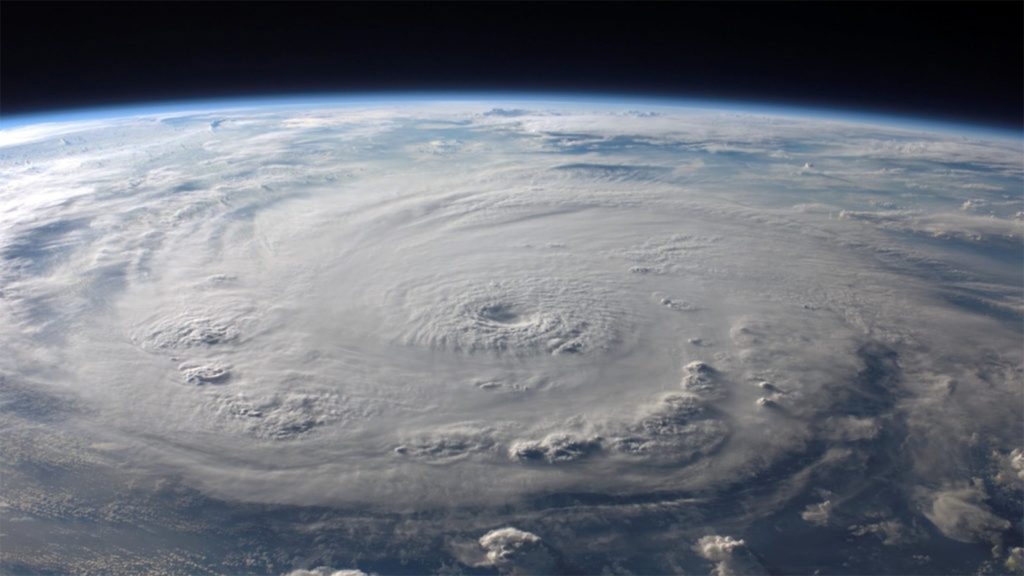
In the diedown of the weekend’s heavy rains from Hurricane Florence, all eyes are on the major rivers of North Carolina, expected to cause catastrophic flooding as the rains flow into the sea. As of 5 AM local time on Monday morning, the National Hurricane Center reported that the remnants of Florence are expected to produce “heavy and excessive rainfall over the next couple of days” and that flash flood warnings were in effect across a large swath of land covering southern and western North Carolina, northeast South Carolina, and southwest Virginia. As of 5 AM Monday morning, the National Hurricane Center reported that the remnants of Florence is expected to produce “heavy and excessive rainfall over the next couple of days” and that flash flood warnings were in effect across a large swath of land covering southern and western North Carolina, northeast South Carolina, and southwest Virginia.

North Carolina’s private dams create large public problem | Leveraging Opportunity Zones for Resilience

In October 2016, Hurricane Matthew made landfall in North Carolina, covering the eastern part of the state in 15 inches of rain in less than 24 hours. Since the region had been hit by Tropical Storm Julia just weeks earlier, watersheds were already inundated with rain. The combination caused catastrophic flooding. Some of the worst effects of the hurricane were in Cumberland County, where towns like Fayetteville experienced multiple dam failures, including several privately owned dams. Private ownership, however, did not prevent these failures of private property from wreaking havoc on residents and public infrastructure.

In the face of stronger and more frequent disasters, Opportunity Zones could turn the resilience investment tide

Over the past few decades, billion dollar disasters have become more frequent, with 2017 being named the most expensive year for disasters in U.S. history. Hurricanes and tropical cyclones are the most expensive, averaging $21.8 billion per event, followed by drought, flooding, wildfires, and winter storms.

Many left stranded as Hurricane Florence slams the Carolinas

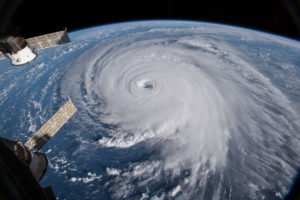
Hurricane Florence made landfall on Friday morning, bringing torrential rain and wind to the Eastern Seaboard. Preceded by perilous storm surge and flooding up to several feet in coastal towns, the storm’s eye ran ashore at 7:15am just east of Wilmington, North Carolina. With sustained winds of up to 90 mph, the hurricane is expected to move slowly into South Carolina and westward through Friday before turning north early Saturday.

Hurricane Florence forecast to be among costliest U.S. storms on record

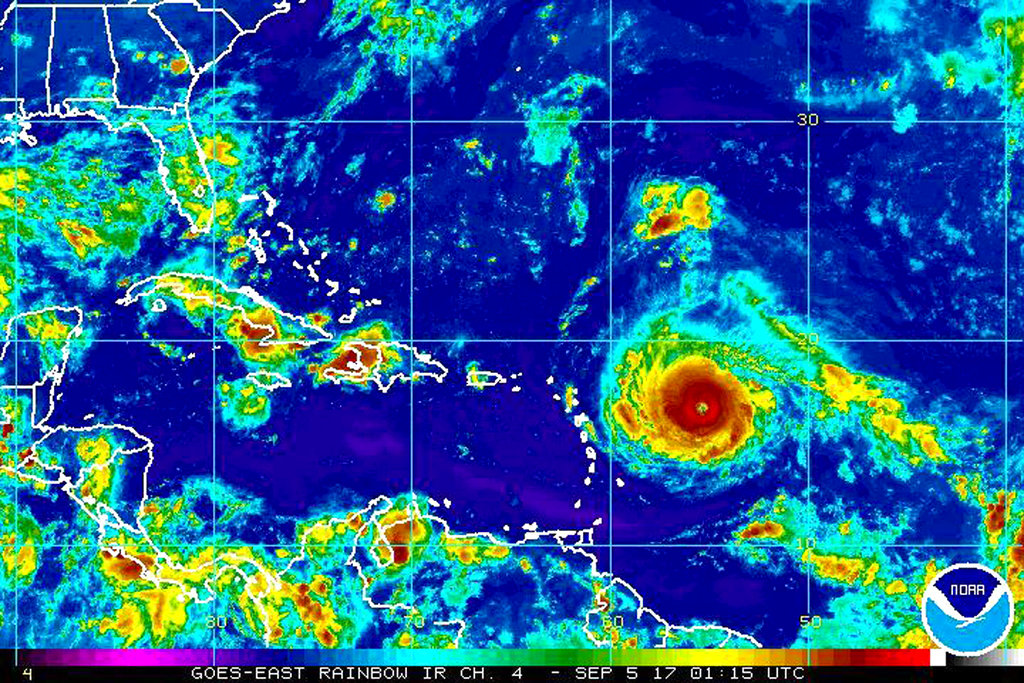
It is no secret that Hurricane Florence is a force to be reckoned with— it is predicted to be one of the strongest storms to hit the East Coast in decades. Though the previously Category 4 storm was knocked down to a Category 2 as it approached the southeast U.S. early Thursday, the system for categorizing hurricanes solely measures wind speeds, which are still expected to reach 110 mph, in addition to intense rainfall, storm surges, and coastal flooding.

Bolstering preparedness and resilience in the face of more frequent and intense storms | On Point – NPR

In an interview with NPR's On Point Wednesday morning, Global Resilience Institute Founding Director Dr. Stephen Flynn discussed preparedness before the storm and recovery in its aftermath, and explained why "baking-in" resilience will be key in the years ahead.

Typhoon Jebi highlights risks of rising sea levels on airports

On Tuesday, September 4, Japan was hit head-on by Typhoon Jebi, the strongest typhoon to hit Japan in 25 years. The storm left 11 dead and several hundred injured, and perhaps some of its most severe damage was to Japan’s airports.

Lessons learned from record-breaking hurricanes: Overcoming the obstacles to build resilience and thrive in the face of future turbulence

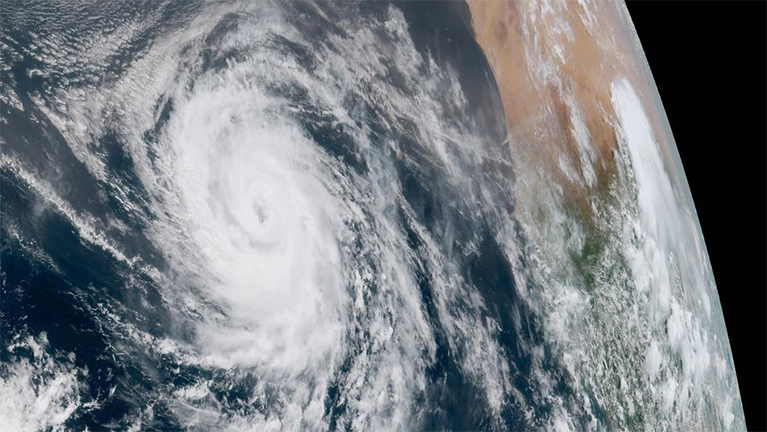
Hurricane Florence is forecast to hit the U.S. East Coast between Thursday night and Friday morning, the sixth named storm…

Innovation, implementation and community resilience

If our communities are to become more resilient, then they will have to innovate. They will have to become “learning organizations” that are developing the tools needed for tomorrow today. Most of us know this almost instinctively; but what we seldom pay attention to is the not-so-trivial last step of the innovation process: implementation. There are literally hundreds even thousands of innovative ideas floating around in each of our communities; they are worthless if not implemented.

Preparing for the influx of climate refugees: Is the world ready?

By 2050, over 100 million people are expected to be forced to leave their homes due to climate change, according to a new report released by World Bank. The hardest hit will be the developing world, specifically Sub-Saharan Africa, South Asia and Latin America, which make up 55 percent of the developing world. These climate refugees would be seeking refuge from extreme flooding, crop failures, water scarcity/drought and an increase in the frequency of natural disasters in their home countries.

California legislature awaits Governor’s signature to pass zero-carbon electricity commitment by 2045

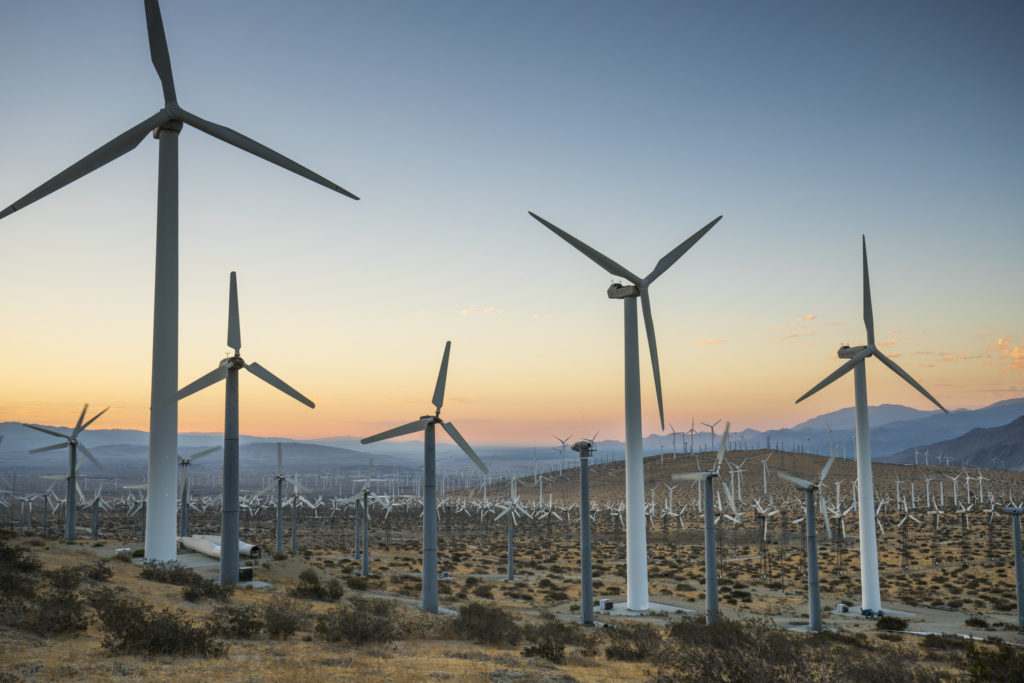
Last week, the California state legislature passed SB100, a landmark bill committing California to 100 percent carbon-free electricity by 2045. The bill, sponsored by state Senator Kevin de León (D.) who is currently running for the US Senate, builds upon California’s existing energy targets, which set a target for 50 percent renewable energy by 2030. The new bill sets a threefold target for electricity production: 50 percent renewables by 2026, 60 percent renewables by 2030, and 100 percent carbon-free energy by 2045. The bill only awaits a signature from Governor Jerry Brown (D.) for it to be adopted into law.

Devastating flooding in Kerala, India exposes flaws in water management infrastructure

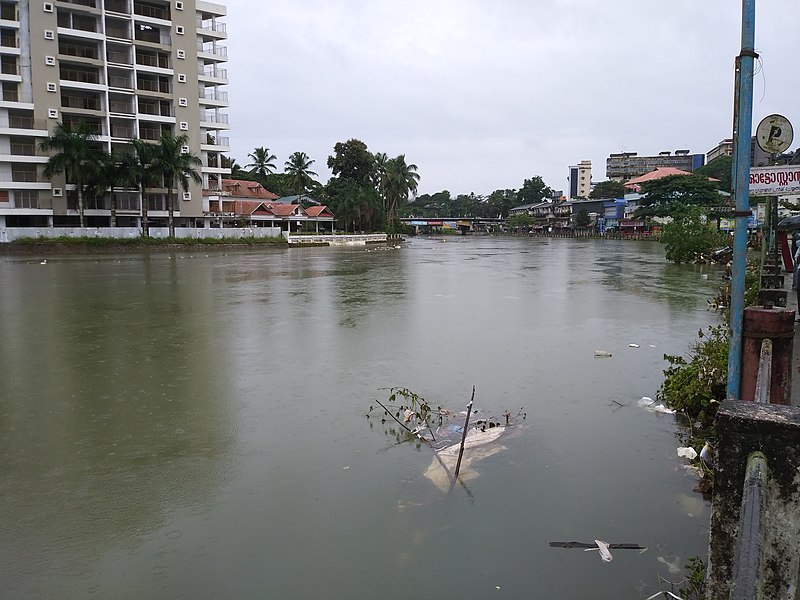
Devastating flooding hit the southwestern state of Kerala, India and its surrounding areas from August 8 onward, causing over 400 deaths and displacing roughly 1.3 million people. Although India is currently in its monsoon season, this flooding dumped far more water onto the country than usual—two and a half times more. The state has 44 rivers flowing through it and 35 reservoirs that were already full prior to the flooding. The overflowing dams were begging to be emptied, and the state was forced to release water from 80 dams at one time, making the flooding even worse.
  • Previous
  • 55
  • 56
  • 57
  • 58
  • 59(current)
  • 60
  • 61
  • 62
  • 63
  • Next