Disaster resilience and the future of technology
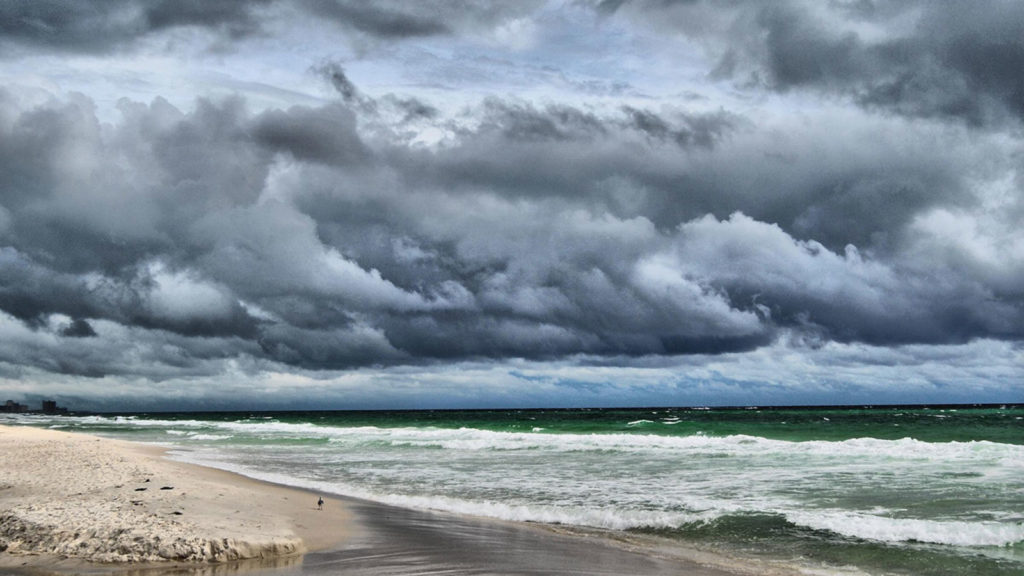
Advancement in technologies such as sensors, machine learning and Artificial Intelligence are helping communities better prepare for and respond to disasters. Companies and governments are working on this application of new technology to old problems both because of the increasing severity of damage caused by natural disasters and the potential to reduce the enormous cost of disasters. The National Oceanic and Atmospheric Administration reported that climate and weather events caused $1.5 trillion in damage between 1980 and 2017. The technologies that companies and researchers are developing can be as simple as the Qatari organization AIDR using social media platforms to accurately map disaster sites and coordinating logistics or rely on new tools such as the Ontario utility company, Hydro One, using IBM’s outage-prediction tool to coordinate recovery.