Logo
Logo
  • About
    • Previous
    • About
    • About GRI
    • Resilience Overview
    • Team
  • Resources
    • Previous
    • Resources
    • Resilience News
    • Publications
    • Upcoming Events
    • Resilience Projects
  • Resilience Programs
    • Previous
    • Resilience Programs
    • Global Resilience Research Network
    • Resilience Champions
    • Corporate Partnerships
    • Seed Grant Program
  • Resilience Education
    • Previous
    • Resilience Education
    • Resilience Courses
    • Degree Programs
  • Contact
  • LinkedIn

Publications

  • GRI Core Projects
  • Publications
  • Resilience News
  • Stephen Flynn
  • A–Z
  • Z–A
  • Newest First
  • Oldest First
  • Barbados
  • Behavioral Health
  • Book Launch
  • caribbean
  • Climate change
  • climate isolationism
  • climate justice
  • Coastal Infrastructure
  • Coastal Resilience
  • Community
  • Community Resilience
  • County Budget
  • Critical Infrastructure
  • Cybersecurity
  • Distinguished Senior Fellow
  • Dominica
  • Emergency response
  • Energy
  • Enterprise
  • Faculty Affiliate
  • global resilience
  • GRI Whitepaper Series
  • Healthcare
  • Hurricane Season
  • Individual Resilience
  • island nations
  • Jennie Stephens
  • Machine Learning
  • Natural disasters
  • Policy and practice
  • Project: Coastal flooding prediction and mitigation
  • Project: Critical Infrastructure Network (CInet)
  • Project: Cyber NTSB
  • Project: Resilience media
  • Public Expenditures
  • Research
  • Resilience
  • Societal Resilience
  • Solution: Critical Infrastructure Resilience
  • Solution: Cyber Resilience
  • Solution: Incident Management & Business Continuity and Recovery
  • Solution: Integrated Resilience Action Planning for Enterprises
  • Solution: Integrated Resilience Enhancement Solution
  • Solution: Post-Disaster Assessment and Advisory
  • Solution: Supply Chain
  • Solution: Vetted Technology Resilience
  • Stephen Flynn
  • Supply Chain
  • Technology
  • Telecommunication
  • Terrorism
  • Transportation
  • Urban Resilience
  • USAID

Electric (dis)connections: Comparative review of smart grid news coverage in the United States and Canada

This article examines media coverage to compare approaches towards the development of smart grids in the United States and Canada.…

Smart Grid Electricity System Planning and Climate Disruptions: A Review of Climate and Energy Discourse Post-Superstorm Sandy

This research examines how Superstorm Sandy affected utilities, particularly in relation to states' policies on climate change and smart grids.…
People on computers and phones

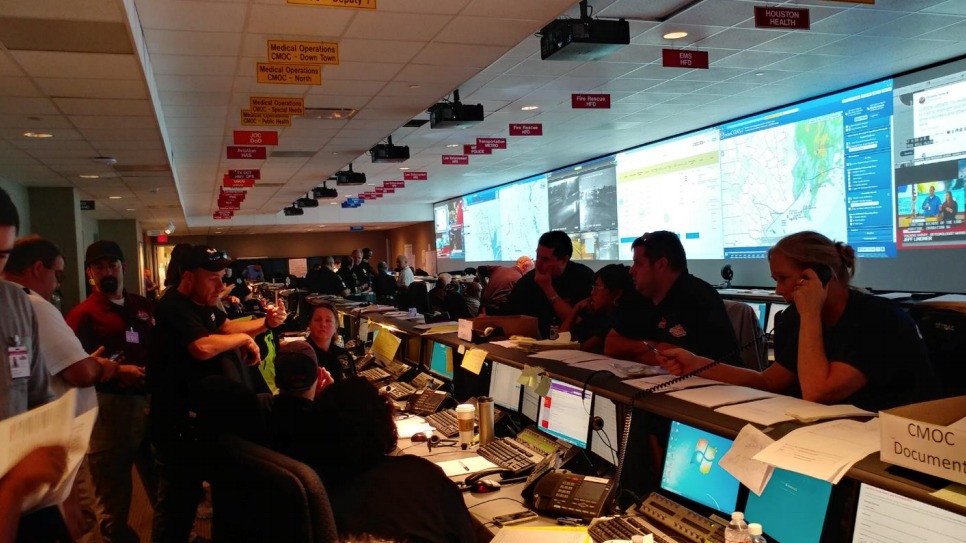
Higher Ground: The Sophisticated Healthcare Response of the SouthEast Texas Regional Advisory Council to Hurricane Harvey

This report highlights the critical importance of saving lives by having in place effective regional healthcare response coalitions in support…
newspaper printing

Fake News: National Security in the Post-Truth Era

This report focuses on the increase of disseminated fake news over the internet, and how to solve the discrepancy between…
Iceberg/ocean ice on body of water

The Right Way to Build Resilience to Climate Change

In this piece, Aldrich presents three different types of responses (incrementalism, adaptation, and transformation) to climate change. He emphasizes the…

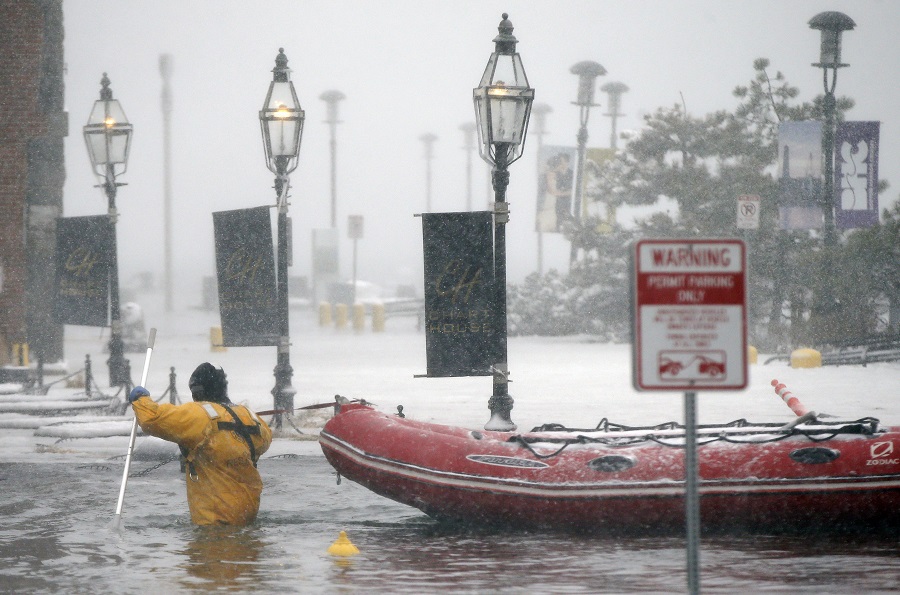
Boston under snow: Resilience lessons for the nation, a Global Resilience Institute report

This Global Resilience Institute report analyzes the record-breaking snow storms that occurred in the Boston metro region between January 24 and February 22, 2015. In that month, 94.4 inches of snow fell, with half falling in just 2 weeks as a result of Winter Storm Juno and Winter Storm Marcus. The storms severely damaged the city’s transportation infrastructure, including a system-wide shutdown of all train and bus operations. Over 1.3 million daily users of public transportation were impacted, 25% of whom lack a private vehicle as an alternative method of transportation. This cost an estimated $2 billion in economic damages due to lost productivity and revenues.

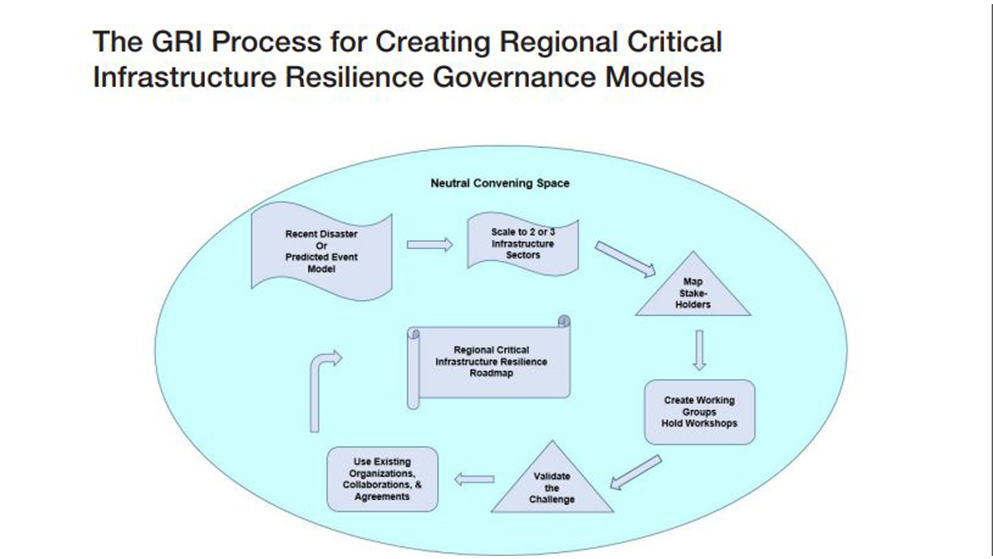
Resilience Governance for Infrastructure Dependencies and Interdependencies: A Practical Model for Regional Critical Infrastructure Resilience

Throughout the 20th Century, American communities became increasingly reliant on infrastructure systems that extended well beyond the reach of their direct control. With the dramatic expansion of the electrical grid, the development of the interstate highway system, the construction of a continental network of fuel pipelines, and the building of long-range water distribution networks such as the Colorado River Aqueduct, the infrastructure that major metropolitan regions rely upon for energy, transportation, water, and communications reach across multiple local, state, and even national jurisdictions. Not only have individual infrastructure systems become more expansive, they have become increasingly interconnected and interdependent. This trend has only accelerated in the current century with the pervasive integration of internet enabled devices into physical systems.

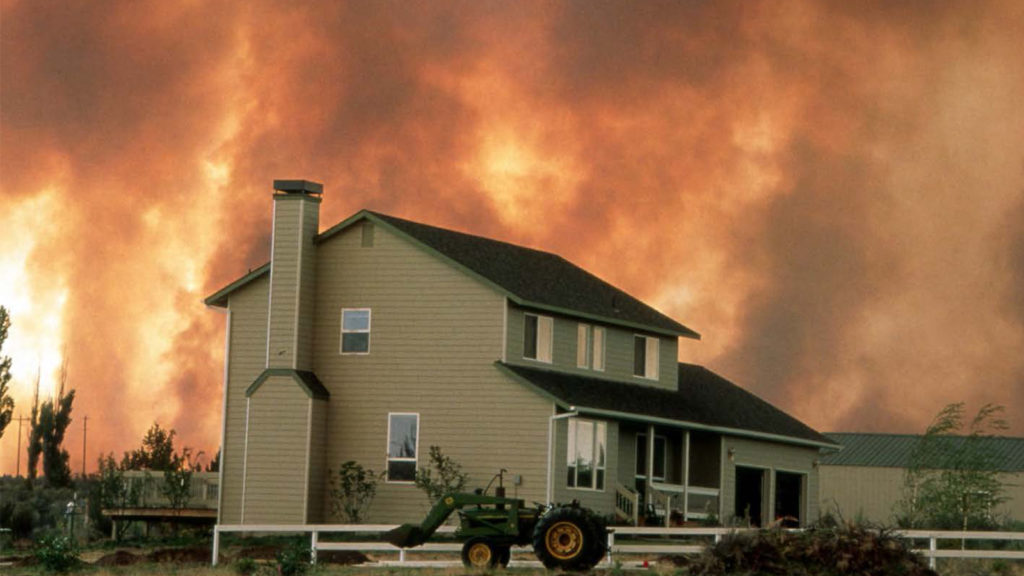
Wildfire: A Changing Landscape | A Global Resilience Institute and National Fire Protection Association Assessment

This report is the product of a collaboration between GRI and the National Fire Protection Association (NFPA) at the request…

That Was Close! Reward Reporting of Cybersecurity ‘Near Misses’

To navigate the fears of reputational risk following a cyberattack, this piece in the Colorado Technology Law Journal argues that…

Energy democracy: Goals and policy instruments for sociotechnical transitions

This article aims to examine the energy democracy agenda in the US by comparing 22 policy instruments to 26 intended…

Measuring Community and Multi-Industry Impacts of Cascading Failures in Power Systems

This article, written by professors at ETH Zurich for IEEE Systems Journal, focuses on developing a framework for a multiregional, multi-industry…
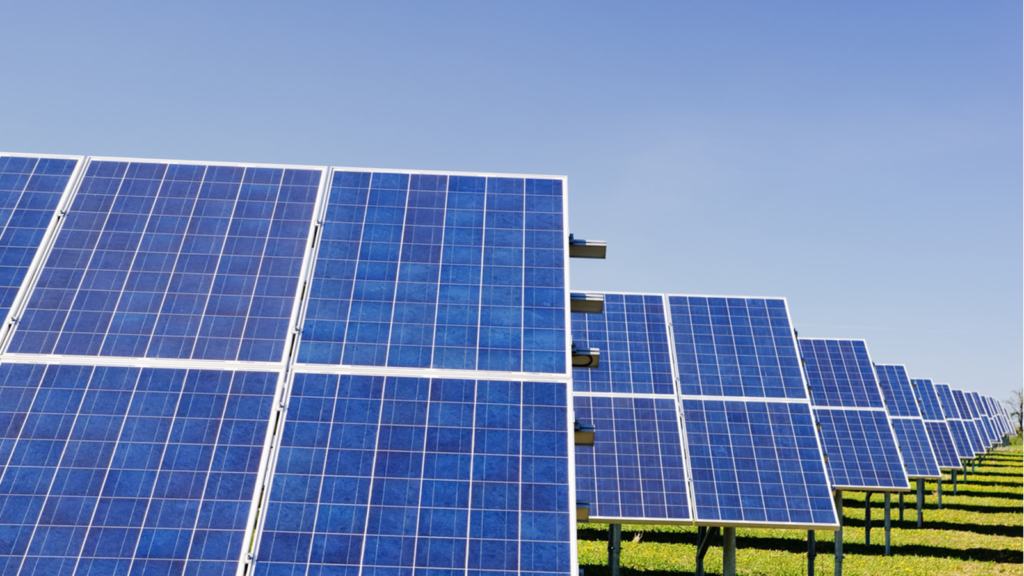
solar cells

Political power and renewable energy futures: A critical review

This conceptual review explores the relationship between concentrated or distributed renewable energy and political power with the aim to assess…
  • Previous
  • 12
  • 13
  • 14
  • 15
  • 16(current)
  • 17
  • 18
  • 19
  • 20
  • Next