Logo
Logo
  • About
    • Previous
    • About
    • About GRI
    • Resilience Overview
    • Team
  • Resources
    • Previous
    • Resources
    • Resilience News
    • Publications
    • Upcoming Events
    • Resilience Projects
  • Resilience Programs
    • Previous
    • Resilience Programs
    • Global Resilience Research Network
    • Resilience Champions
    • Corporate Partnerships
    • Seed Grant Program
  • Resilience Education
    • Previous
    • Resilience Education
    • Resilience Courses
    • Degree Programs
  • Contact
  • LinkedIn

Publications

  • GRI Core Projects
  • Publications
  • Resilience News
  • Stephen Flynn
  • A–Z
  • Z–A
  • Newest First
  • Oldest First
  • Barbados
  • Behavioral Health
  • Book Launch
  • caribbean
  • Climate change
  • climate isolationism
  • climate justice
  • Coastal Infrastructure
  • Coastal Resilience
  • Community
  • Community Resilience
  • County Budget
  • Critical Infrastructure
  • Cybersecurity
  • Distinguished Senior Fellow
  • Dominica
  • Emergency response
  • Energy
  • Enterprise
  • Faculty Affiliate
  • global resilience
  • GRI Whitepaper Series
  • Healthcare
  • Hurricane Season
  • Individual Resilience
  • island nations
  • Jennie Stephens
  • Machine Learning
  • Natural disasters
  • Policy and practice
  • Project: Coastal flooding prediction and mitigation
  • Project: Critical Infrastructure Network (CInet)
  • Project: Cyber NTSB
  • Project: Resilience media
  • Public Expenditures
  • Research
  • Resilience
  • Societal Resilience
  • Solution: Critical Infrastructure Resilience
  • Solution: Cyber Resilience
  • Solution: Incident Management & Business Continuity and Recovery
  • Solution: Integrated Resilience Action Planning for Enterprises
  • Solution: Integrated Resilience Enhancement Solution
  • Solution: Post-Disaster Assessment and Advisory
  • Solution: Supply Chain
  • Solution: Vetted Technology Resilience
  • Stephen Flynn
  • Supply Chain
  • Technology
  • Telecommunication
  • Terrorism
  • Transportation
  • Urban Resilience
  • USAID

Cleaner Air Should Not Require Sheltering in Place

European Space Agency satellite images published in The New York Times on March 24 show dramatic reductions in air pollution in Los Angeles, New York, and Seattle due to so many vehicles being off the road as people shelter in place. What a shame it took a pandemic...

Father typing on laptop with child

Childcare is a Business Issue

When the Covid-19 pandemic removed the safety net of schooling and employee-paid child care for working families, the damage was…

Catch up on GRI’s Whitepaper Series

Catch up on GRI’s Whitepaper Series ‘GRI Whitepaper Wednesday’ is a weekly series produced by GRI’s network of expert researchers,…

Can the Worst of Times Bring Out the Best in Us?

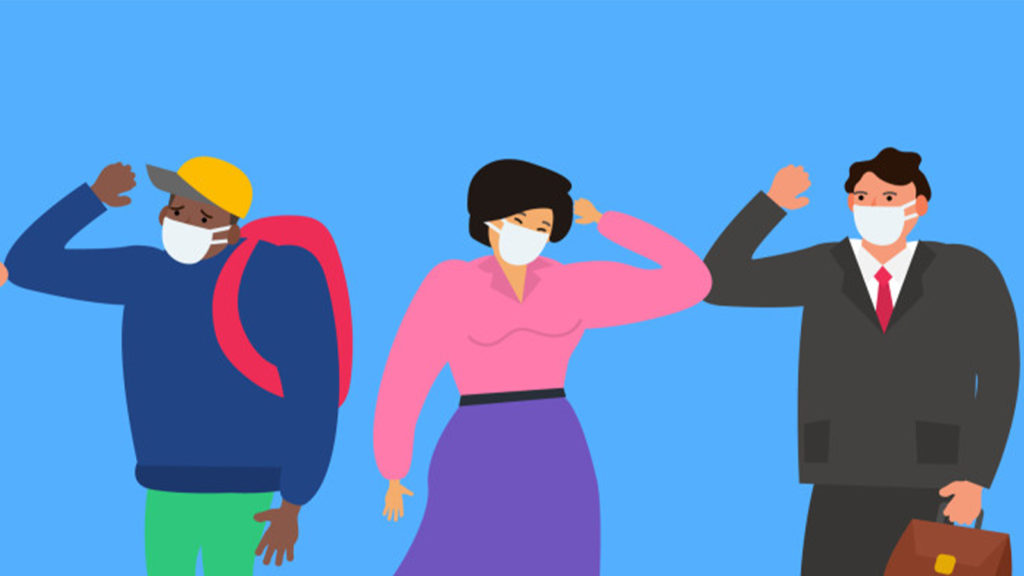
It feels like these past few weeks and months have been a big human behavior experiment. COVID-19 has entered the scene of an ecosystem that is paradoxical. Humans are capable of solidarity, kindness, wisdom, and resilience. We are also primitive creatures who hoard toilet paper, fight, point fingers, and abandon reason when we’re scared.
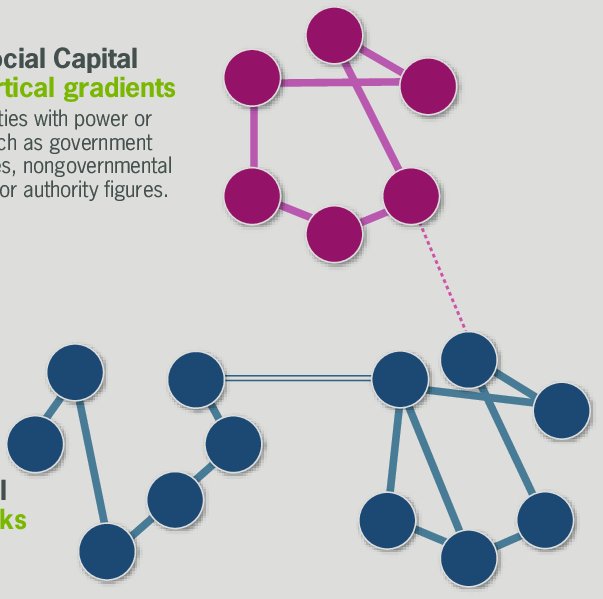
he interplay between bonding, bridging and linking ties illustrates different forms of social capital.

Building Community Resilience: Social ties and connections

Social ties and connections are embedded in our everyday lives, but we often only recognize their value in times of need. In an urbanizing city like Singapore, social infrastructure and ties play a crucial role in helping us deal with impacts of climate change, extreme weather and other potential shocks This article examines the importance of building up social infrastructure and ties in operationalising community resilience in a highly dense and urbanized city in order to deal with climate change as well as a wide range of risks and threats.

Building a More Resilient Nation by Strengthening Private-Public Partnerships

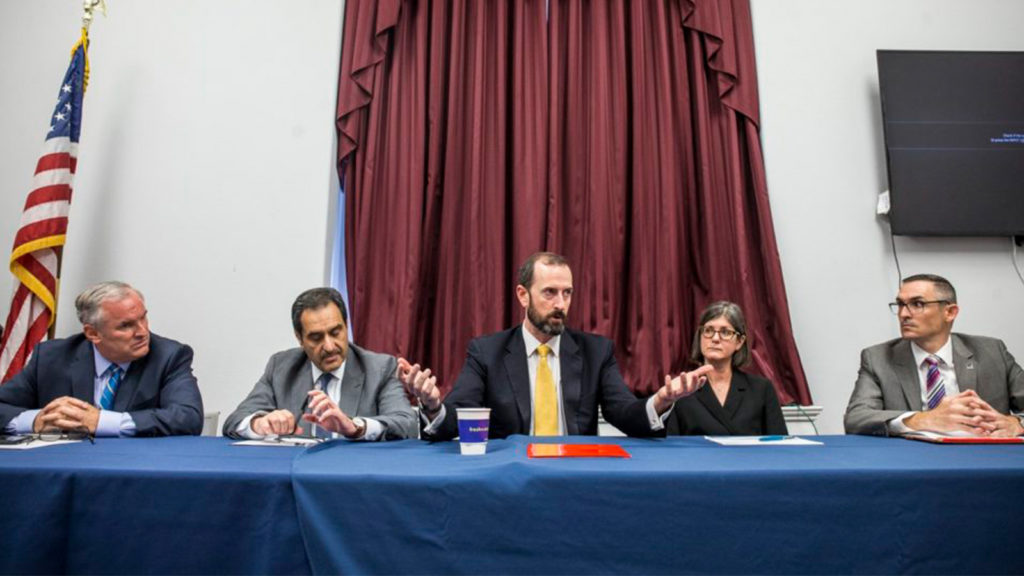
This testimony by Dr. Flynn before the Senate Subcommittee on State, Local and Private Sector Preparedness and Integration argues that…

Brittle Infrastructure, Community Resilience, and National Security

This article emphasizes resilience, the ability to withstand and respond to as well as quickly recover from a disaster, as…

Breaking the Target: An Analysis of Target Data Breach and Lessons Learned

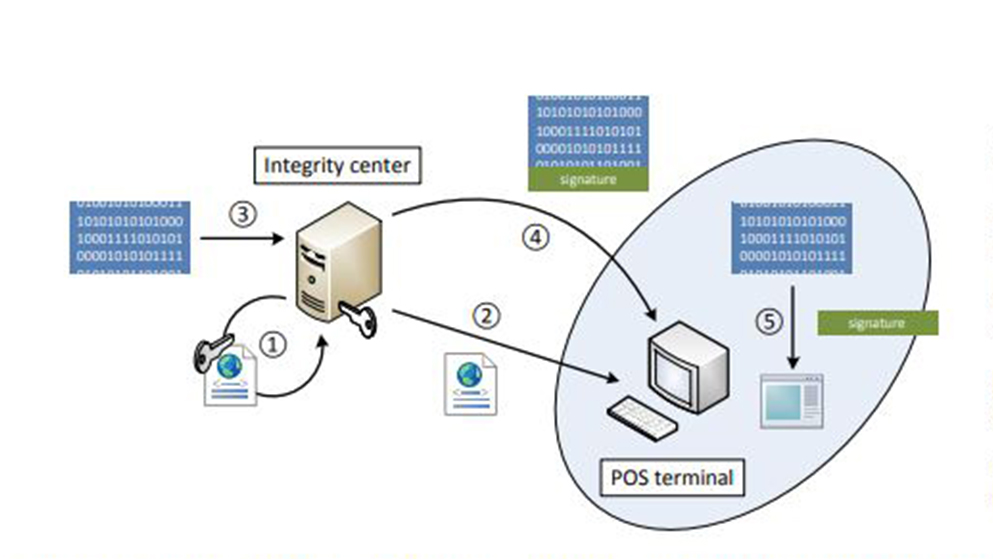
This paper analyzes the events leading up to the second most devastating data breach in history: the attack on the…

Boston under snow: Resilience lessons for the nation, a Global Resilience Institute report

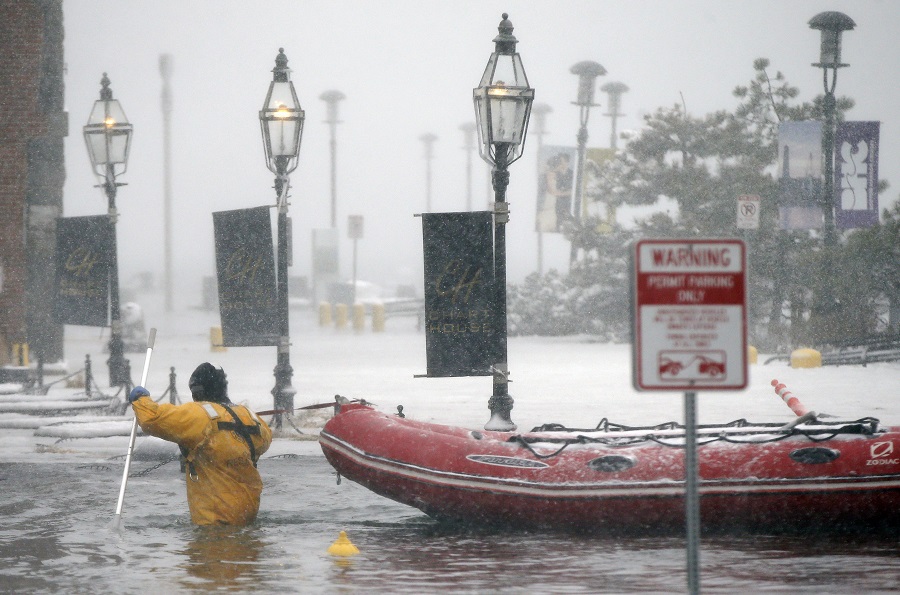
This Global Resilience Institute report analyzes the record-breaking snow storms that occurred in the Boston metro region between January 24 and February 22, 2015. In that month, 94.4 inches of snow fell, with half falling in just 2 weeks as a result of Winter Storm Juno and Winter Storm Marcus. The storms severely damaged the city’s transportation infrastructure, including a system-wide shutdown of all train and bus operations. Over 1.3 million daily users of public transportation were impacted, 25% of whom lack a private vehicle as an alternative method of transportation. This cost an estimated $2 billion in economic damages due to lost productivity and revenues.

Boston Under Snow: Resilience Lessons for the Nation

This report by the Global Resilience Institute looks at the record breaking snowfall experienced by the metro-Boston Region in 2015.…
Truck driving in flood

Bolstering Critical Infrastructure Resilience After Superstorm Sandy: Lessons for New York and the Nation

This report from the Global Resilience Institute, formerly the Center for Resilience Studies, identifies lessons learned in the wake of…
viruses

Biological and Clinical Consequences of Integrin Binding via a Rogue RGD Motif in the SARS CoV-2 Spike Protein

Although ACE2 (angiotensin converting enzyme 2) is considered the primary receptor for CoV-2 cell entry, recent reports suggest that alternative…
  • Previous
  • 14
  • 15
  • 16
  • 17
  • 18(current)
  • 19
  • 20
  • Next