Logo
Logo
  • About
    • Previous
    • About
    • About GRI
    • Resilience Overview
    • Team
  • Resources
    • Previous
    • Resources
    • Resilience News
    • Publications
    • Upcoming Events
    • Resilience Projects
  • Resilience Programs
    • Previous
    • Resilience Programs
    • Global Resilience Research Network
    • Resilience Champions
    • Corporate Partnerships
    • Seed Grant Program
  • Resilience Education
    • Previous
    • Resilience Education
    • Resilience Courses
    • Degree Programs
  • Contact
  • LinkedIn

Resilience News

  • GRI Core Projects
  • Publications
  • Resilience News
  • Stephen Flynn
  • A–Z
  • Z–A
  • Newest First
  • Oldest First
  • Architecture
  • Award
  • Barbados
  • Behavioral Health
  • Black Sea
  • Book Launch
  • caribbean
  • Chief Technology Officer
  • Climate change
  • Coastal Infrastructure
  • Coastal Resilience
  • Community
  • Community Resilience
  • COVID-19
  • Critical Infrastructure
  • Cyber Resilience
  • Cybersecurity
  • designs
  • Distinguished Senior Fellow
  • Dominica
  • Ecology
  • Economic Resilience
  • Educational Resilience
  • Emergency response
  • Energy
  • Enterprise
  • Enterprise Resilience
  • Environmental Resilience
  • Event Recap
  • Faculty Affiliate
  • Food Crisis
  • global resilience
  • GrainCrisis
  • GRI Whitepaper Series
  • Healthcare
  • Hurricane Season
  • Individual Resilience
  • Internet Resilience
  • island nations
  • Massachusetts
  • Nada Sanders
  • nantucket
  • Odesa
  • Organizational Resilience
  • Partners
  • Policy and practice
  • Project: Creating a resilient Internet of Things (IoT)
  • Project: Critical Infrastructure Network (CInet)
  • Research
  • Resilience
  • Russia
  • Social Resilience
  • Societal Resilience
  • Solution: Critical Infrastructure Resilience
  • Solution: Cyber Resilience
  • Solution: Incident Management & Business Continuity and Recovery
  • Solution: Integrated Resilience Action Planning for Enterprises
  • Solution: Integrated Resilience Enhancement Solution
  • Solution: Supply Chain
  • Solution: Vetted Technology Resilience
  • Stephen Flynn
  • Supply Chain
  • Sustainability
  • Technology
  • Terrorism
  • Transportation
  • Ukraine
  • Urban Development
  • USAID
  • Vaccination

Heat waves: The biggest health concerns & what precautions cities can take, to protect the vulnerable – News@Northeastern

Heat waves have dominated the headlines this summer, with record-breaking temperatures in the U.S. Pacific Northwest for a third year running, and dangerously high temperatures sweeping across Europe, in a heatwave nicknamed "Lucifer." This trend is expected to become "more intense, more frequent and longer lasting over the next century," said heat justice expert Sharon Harlan. Harlan, a professor of health sciences and sociology at Northeastern and a Faculty Affiliate of the Global Resilience Institute (GRI), spoke with News@Northeastern reporter Allie Nicodemo about heat-related health concerns, what precautions cities should take, and which populations are the most vulnerable to heat waves.

Heat island effects show intersection of social and environmental resilience

One of the most noticeable and most deadly consequences of global climate change is the intensity of urban heat islands. These are built-up areas with temperatures that are higher than the rural areas that surround them. Cities with over 1 million people can be 2-5 °F hotter than neighboring areas. Accompanied by escalating heatwaves, these concentrations of high temperatures can foster an environment which is detrimental to public health. In 2018, extreme heat was the number one cause of weather-related deaths, outnumbering fatalities caused by hurricanes, floods and tornadoes combined.

Healthcare access complicated by Hurricane Harvey, as floodwaters threaten facilities, forcing some evacuations

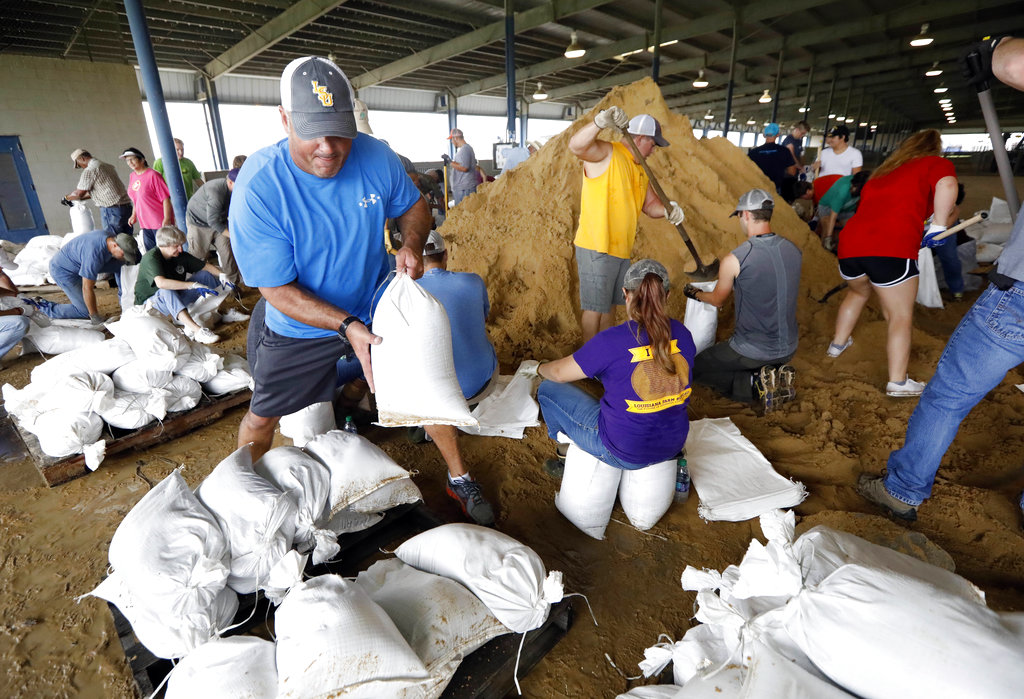
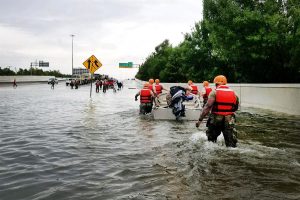
As Texans continue to battle Hurricane Harvey, Houston-area hospitals have been grappling with the decision of whether to evacuate patients. Residents of Houston were not ordered to evacuate, leaving some area hospitals struggling to accommodate incoming patients. As of Wednesday evening, over twenty healthcare facilities had evacuated patients by ambulance and helicopter. Another twenty-five hospitals continued to operate under "internal disaster" status, treating patients but struggling to function normally.

Health, health care and community resilience

The continuing conundrum of health and health care in the US is how much we’re spending on health care (highest in the world – almost $10K per capita and 16% of our GDP) and how poor our health is (generally 25th to 30th among the 35 OECD countries on a variety of indicators, and the absolute worst in terms of obesity).

Harvey makes landfall, again

The National Weather Service says the clouds that have loomed over the Houston area since Harvey made its initial landfall will at last give way to sunshine. Harvey made landfall — again — early Wednesday, this time in southwestern Louisiana. The storm is expected to move inland , bringing continued heavy rain to Louisiana, before heading north to Arkansas, Tennessee and parts of Missouri. "Once we get this thing inland during the day, it's the end of the beginning," said National Hurricane Center spokesman and meteorologist Dennis Feltgen. "Texas is going to get a chance to finally dry out as this system pulls out."

Harold Brooks Interviewed by The Climate Initiative’s Article on Black History Month: Facing Inequities and Committing to Solutions

This month, we celebrate Black History and recognize the lived adversity and accomplishments of those in the Black community. From…

Hanjin Collapse Inundates Southern California with Containers; Fails to Revive Shipping Rates

Hanjin Shipping, the world’s seventh largest container carrier and the largest in South Korea, filed for bankruptcy and receivership in…

Half of New U.S. Covid Cases Now Tied to Delta Variant, CDC Says

The delta variant is set to become the predominant Covid strain in the U.S., boosting concerns it could lead to…

Haiti Grapples with Devastating Toll from Matthew

While the United States continues to reel from Hurricane Matthew, Haiti finds itself at the beginning of a lengthy and…

Gulf of Mexico "dead zone" predicted to approach record size

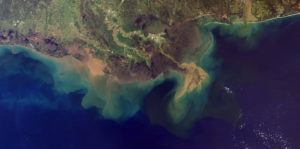
On June 10, 2019, the National Oceanic and Atmospheric Administration (NOAA) released their annual forecast for the dead zone located in the Gulf of Mexico. A hypoxic zone, more commonly referred to as a dead zone, is an area of low oxygen concentrations in the ocean, which lead to death of the marine life population. This year the Gulf is expected to experience a 7,829 square mile hypoxic zone, coming close to the record setting 8,776 square mile zone of 2017. Roughly the size of Massachusetts, this dead zone will have both ecologic and economic effects and will test the Gulf region’s resilience.

GRI’s Dr. Flynn Appears on CNN to Discuss Proposed Coast Guard Budget Cuts

Dr. Stephen Flynn, Global Resilience Institute Director, appeared on CNN on March 7th to discuss the proposed cuts to the…

GRI’s Dr. Jennie Stephens to lead Northeastern University’s School of Public Policy and Urban Affairs

Dr. Jennie C. Stephens, Global Resilience Institute (GRI) Director for Strategic Research Collaborations, has been named Director of Northeastern University's School of Public Policy and Urban Affairs (SPPUA) in the College of Social Sciences and Humanities (CSSH). Dr. Stephens is also Dean’s Professor of Sustainability Science & Policy and is affiliated with the department of Civil & Environmental Engineering and the department of Cultures, Societies & Global Studies.
  • Previous
  • 41
  • 42
  • 43
  • 44
  • 45(current)
  • 46
  • 47
  • 48
  • 49
  • Next