Logo
Logo
  • About
    • Previous
    • About
    • About GRI
    • Resilience Overview
    • Team
  • Resources
    • Previous
    • Resources
    • Resilience News
    • Publications
    • Upcoming Events
    • Resilience Projects
  • Resilience Programs
    • Previous
    • Resilience Programs
    • Global Resilience Research Network
    • Resilience Champions
    • Corporate Partnerships
    • Seed Grant Program
  • Resilience Education
    • Previous
    • Resilience Education
    • Resilience Courses
    • Degree Programs
  • Contact
  • LinkedIn

Resilience News

  • GRI Core Projects
  • Publications
  • Resilience News
  • Stephen Flynn
  • A–Z
  • Z–A
  • Newest First
  • Oldest First
  • Architecture
  • Award
  • Barbados
  • Behavioral Health
  • Black Sea
  • Book Launch
  • caribbean
  • Chief Technology Officer
  • Climate change
  • Coastal Infrastructure
  • Coastal Resilience
  • Community
  • Community Resilience
  • COVID-19
  • Critical Infrastructure
  • Cyber Resilience
  • Cybersecurity
  • designs
  • Distinguished Senior Fellow
  • Dominica
  • Ecology
  • Economic Resilience
  • Educational Resilience
  • Emergency response
  • Energy
  • Enterprise
  • Enterprise Resilience
  • Environmental Resilience
  • Event Recap
  • Faculty Affiliate
  • Food Crisis
  • global resilience
  • GrainCrisis
  • GRI Whitepaper Series
  • Healthcare
  • Hurricane Season
  • Individual Resilience
  • Internet Resilience
  • island nations
  • Massachusetts
  • Nada Sanders
  • nantucket
  • Odesa
  • Organizational Resilience
  • Partners
  • Policy and practice
  • Project: Creating a resilient Internet of Things (IoT)
  • Project: Critical Infrastructure Network (CInet)
  • Research
  • Resilience
  • Russia
  • Social Resilience
  • Societal Resilience
  • Solution: Critical Infrastructure Resilience
  • Solution: Cyber Resilience
  • Solution: Incident Management & Business Continuity and Recovery
  • Solution: Integrated Resilience Action Planning for Enterprises
  • Solution: Integrated Resilience Enhancement Solution
  • Solution: Supply Chain
  • Solution: Vetted Technology Resilience
  • Stephen Flynn
  • Supply Chain
  • Sustainability
  • Technology
  • Terrorism
  • Transportation
  • Ukraine
  • Urban Development
  • USAID
  • Vaccination

Hurricane Irma makes landfall in Caribbean, moving towards Florida

Just days after Hurricane Harvey devastated the Gulf Coast, Hurricane Irma threatens the Caribbean and the southeastern United States. On Monday night, hurricane warnings were in effect as the Category 5 storm moved towards islands including Antigua and Barbuda, Saint Maarten, Puerto Rico, and the U.S. Virgin Islands. The governor of the British Virgin Islands urged residents of Anegada island to evacuate, and schools and government offices were closed across the Caribbean.

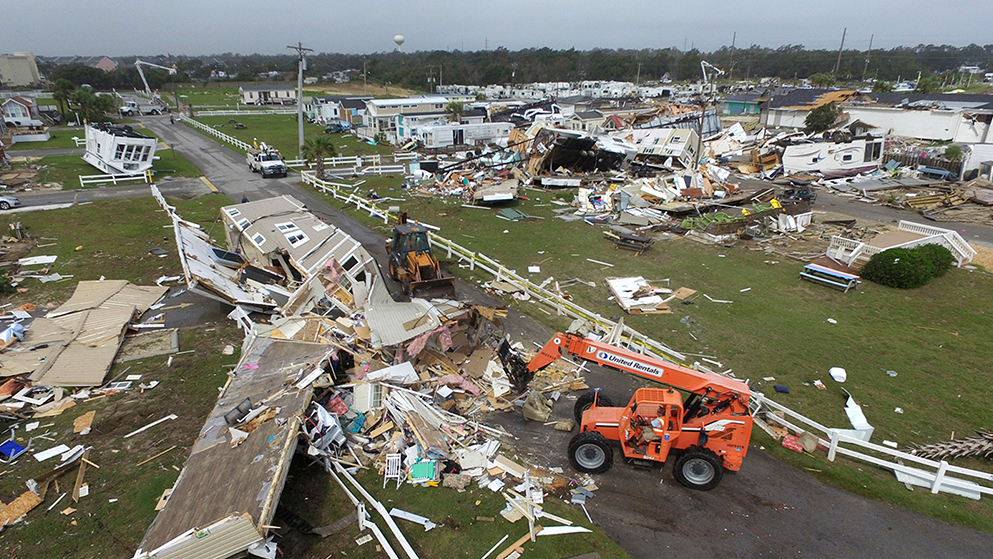
Hurricane Helene Devastates Inland Areas of North Carolina. Expect More Damage More Frequently, Warns Northeastern Researcher

“These inland hazards are going to be much more common in the future.” Upcoming research led by Aldrich reveals that…

Hurricane Harvey threatens production along pipelines and refineries in Texas

The impact of Hurricane Harvey forced 18 refineries in Texas to partially or completely shut down. The closures meant that about 3.6 million barrels of oil per day, representing about 20 percent of U.S. refining capacity, was compromised. On average, Texas produces a total of roughly 5.6 million barrels per day along the U.S. Gulf Coast, which supports communities all around the country.

Hurricane Harvey spotlights critical factor in community resilience: The hidden capacity in civil society – News @ Northeastern

Hurricane Harvey brought into the spotlight a critical factor in community resilience, Global Resilience Institute Founding Director Stephen Flynn said in an interview with News@Northeastern; “the hidden capacity in civil society that comes out often in these events.”

Hurricane Florence forecast to be among costliest U.S. storms on record

It is no secret that Hurricane Florence is a force to be reckoned with— it is predicted to be one of the strongest storms to hit the East Coast in decades. Though the previously Category 4 storm was knocked down to a Category 2 as it approached the southeast U.S. early Thursday, the system for categorizing hurricanes solely measures wind speeds, which are still expected to reach 110 mph, in addition to intense rainfall, storm surges, and coastal flooding.

Hurricane Florence brings health and safety concerns for North Carolina rivers

In the diedown of the weekend’s heavy rains from Hurricane Florence, all eyes are on the major rivers of North Carolina, expected to cause catastrophic flooding as the rains flow into the sea. As of 5 AM local time on Monday morning, the National Hurricane Center reported that the remnants of Florence are expected to produce “heavy and excessive rainfall over the next couple of days” and that flash flood warnings were in effect across a large swath of land covering southern and western North Carolina, northeast South Carolina, and southwest Virginia. As of 5 AM Monday morning, the National Hurricane Center reported that the remnants of Florence is expected to produce “heavy and excessive rainfall over the next couple of days” and that flash flood warnings were in effect across a large swath of land covering southern and western North Carolina, northeast South Carolina, and southwest Virginia.

Hunger crisis in Yemen highlights importance of food and healthcare security

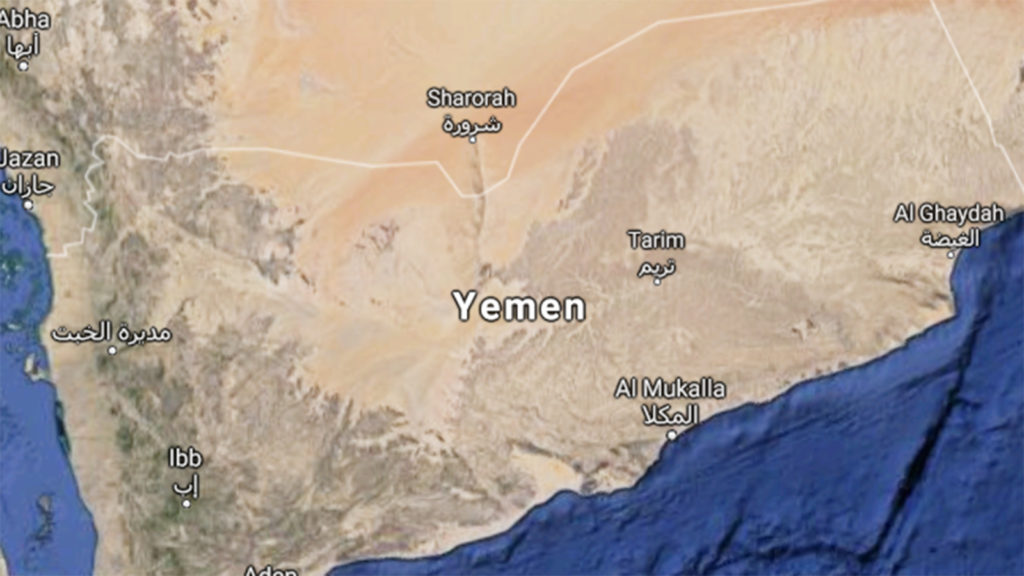
After three years of conflict, the humanitarian situation in Yemen only continues to worsen. The war, which is fought between the Saudi-led coalition supporting the incumbent regime, with American supplies, and the Houthi rebels, has claimed nearly 50,000 lives. The factions have made it difficult for aid groups and humanitarian organizations to reach vulnerable populations, causing a famine that has devastated the country. It is estimated that 17.8 million Yemeni, over half of the population, are food insecure, and an additional 8.4 million are unaware of where their next meal will come from. According to a UN report, 400,000 children are at risk of dying daily due to lack of sufficient food sources.

How Will COVID-19 Impact Our Climate Action Strategies?

When the COVID-19 pandemic first started, the halt of travel helped to quickly lower carbon emissions from transportation and brought…
student wearing backpack

How to Remain Resilient During Back to School

Helping children transition back into the routine of school is not going to be easy, no matter the grade level.…

How the decline of the freight rail industry highlighted the importance of community resilience: Murdo, South Dakota

Located one-hour’s drive south of Pierre, through the South Dakota plains along US-83, the town of Murdo's 482 residents are mostly employed in agriculture, construction, and natural resource extraction. This is very different from the town’s heyday in 1970, when it was home to 865 residents and was a key cog along the Milwaukee Road. This line, like many others all across the US, was closed during one of the most turbulent periods in the history of the American railroad industry. The close dependence on this line by the Murdo community meant that its closure deeply affected the community’s economy. Today, Murdo stands as an example of resilience, when examining small American towns affected by the downsizing of the railroads.

How the decline of the freight rail industry highlighted the importance of community resilience: Booneville, Arkansas

In my last post, we explored the story of the small farming town of Murdo, South Dakota after the closure of the Chicago, Milwaukee, St. Paul & Pacific Railroad. By establishing the 1880 Town, an attraction providing a glimpse into Murdo's railroad heyday, the town was able to provide a means of survival. However, Murdo's survival past the closure of its railroad lifeline is not entirely unique, nor is the means by which they did so. Whereas Murdo mainly relied on the railroad to connect it to the rest of the world, some towns built their entire economy around the railroad, making the task of survival more difficult. Despite the odds, Booneville, located in Western Arkansas, is one example of a town that did, despite their previous dependence.

How Social Capital Can Help Deal with the Pandemic Better

"People with strong social networks experience faster recoveries and have access to needed information, tools, and assistance. Communities and neighbourhoods…
  • Previous
  • 38
  • 39
  • 40
  • 41
  • 42(current)
  • 43
  • 44
  • 45
  • 46
  • Next