Logo
Logo
  • About
    • Previous
    • About
    • About GRI
    • Resilience Overview
    • Team
  • Resources
    • Previous
    • Resources
    • Resilience News
    • Publications
    • Upcoming Events
    • Resilience Projects
  • Resilience Programs
    • Previous
    • Resilience Programs
    • Global Resilience Research Network
    • Resilience Champions
    • Corporate Partnerships
    • Seed Grant Program
  • Resilience Education
    • Previous
    • Resilience Education
    • Resilience Courses
    • Degree Programs
  • Contact
  • LinkedIn

Resilience News

  • GRI Core Projects
  • Publications
  • Resilience News
  • Stephen Flynn
  • A–Z
  • Z–A
  • Newest First
  • Oldest First
  • Architecture
  • Award
  • Barbados
  • Behavioral Health
  • Black Sea
  • Book Launch
  • caribbean
  • Chief Technology Officer
  • Climate change
  • Coastal Infrastructure
  • Coastal Resilience
  • Community
  • Community Resilience
  • COVID-19
  • Critical Infrastructure
  • Cyber Resilience
  • Cybersecurity
  • designs
  • Distinguished Senior Fellow
  • Dominica
  • Ecology
  • Economic Resilience
  • Educational Resilience
  • Emergency response
  • Energy
  • Enterprise
  • Enterprise Resilience
  • Environmental Resilience
  • Event Recap
  • Faculty Affiliate
  • Food Crisis
  • global resilience
  • GrainCrisis
  • GRI Whitepaper Series
  • Healthcare
  • Hurricane Season
  • Individual Resilience
  • Internet Resilience
  • island nations
  • Massachusetts
  • Nada Sanders
  • nantucket
  • Odesa
  • Organizational Resilience
  • Partners
  • Policy and practice
  • Project: Creating a resilient Internet of Things (IoT)
  • Project: Critical Infrastructure Network (CInet)
  • Research
  • Resilience
  • Russia
  • Social Resilience
  • Societal Resilience
  • Solution: Critical Infrastructure Resilience
  • Solution: Cyber Resilience
  • Solution: Incident Management & Business Continuity and Recovery
  • Solution: Integrated Resilience Action Planning for Enterprises
  • Solution: Integrated Resilience Enhancement Solution
  • Solution: Supply Chain
  • Solution: Vetted Technology Resilience
  • Stephen Flynn
  • Supply Chain
  • Sustainability
  • Technology
  • Terrorism
  • Transportation
  • Ukraine
  • Urban Development
  • USAID
  • Vaccination

Over a month after Maria: Looming challenges and small victories

More than a month after Hurricane Maria slammed into Puerto Rico, Americans continue to feel the effects of the storm. The island itself remains largely out of power, with electricity still unavailable to 75% of residents at the start of the week. According to the Army Corps of Engineers, the island’s electric grid infrastructure includes 2,400 miles of transmission lines and 30,000 miles of distribution lines. In a press conference on Saturday, Ricardo Rossello, the Governor of Puerto Rico, outlined a goal timeline for power restoration: 30% by the end of October, 50% by November 15, and 80% by December 1. His goal is to restore power to 95% of Puerto Rico’s grid by the end of December, but admits that it will be challenging to do so.


Recovery efforts continue 5 years after Superstorm Sandy

New Jersey reported $36.8 billion in damage, and New York $32.8 billion. While most of that money has been spent on recovery, some funds continue to be spent five years later, including aid for damaged homes. The Federal Emergency Management Agency says it has paid out $13.5 billion in public assistance funds in New York, and $1.9 billion in New Jersey. Aid to individuals and households has been $1 billion in New York and $422 million in New Jersey. Claimants in both states have received more than $8 billion combined in payouts from the National Flood Insurance Program. New York state reported 48 deaths due to the storm, and New Jersey reported 12.

Study: NYC could see bad flooding every 5 years

Within the next three decades, floods that used to strike the New York City area only once every 500 years could occur every five years, according to a new scientific study released just days before the fifth anniversary of Superstorm Sandy. The study, performed by researchers at several universities and published Monday in the Proceedings of the National Academy of Sciences, primarily blames the predicted change on sea-level rise caused by global warming. "This is kind of a warning," said Andra Garner, a Rutgers University scientist and study co-author. "How are we going to protect our coastal infrastructure?"

As global shipping explodes, it presents a logistical and security challenge | PRI’s The World

“It was in 1992 when 100 million containers moved through all the world’s ports, then in 1998, we went to 200 million,” said Stephen Flynn, founding director of the Global Resilience Institute. “Roughly we’re at a little over 600 million today. So just between the events of 9/11 and the events of today, you almost have a three-fold [increase] of volume moving through the world’s ports.”

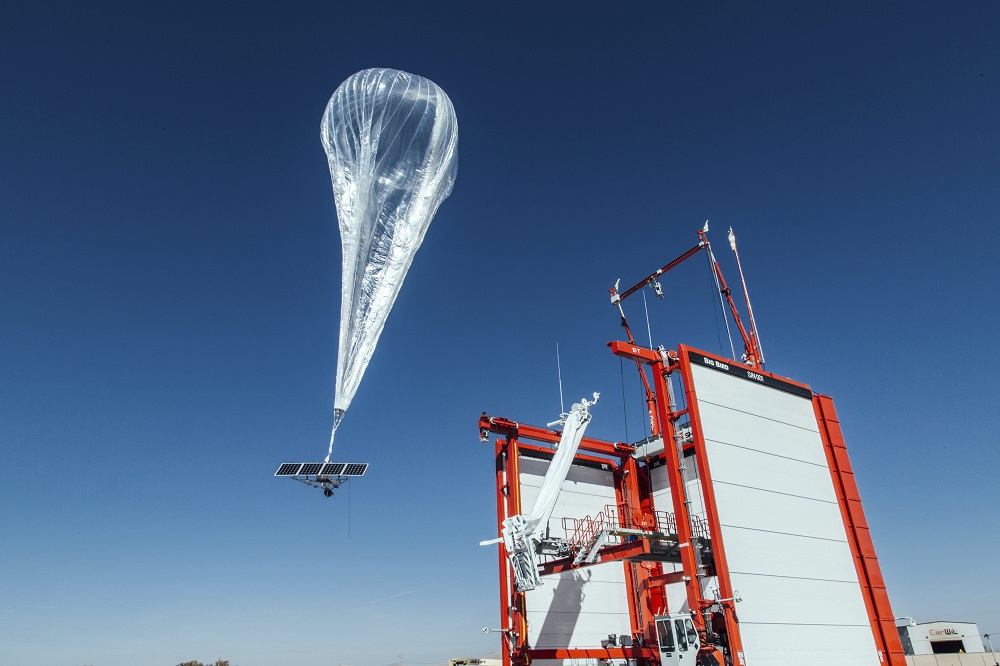
How one company is using balloons to help Puerto Rico bounce back

Since Hurricane Maria made landfall in Puerto Rico one month ago, the island has been struggling to restore even the most essential services, including running water, electricity, and the transportation network. Exacerbating the situation is widespread cell network outages across the island, which prevents people from contacting loved ones outside Puerto Rico to confirm their well-being. Additionally – and perhaps more importantly – the cell network outages are hindering relief efforts.

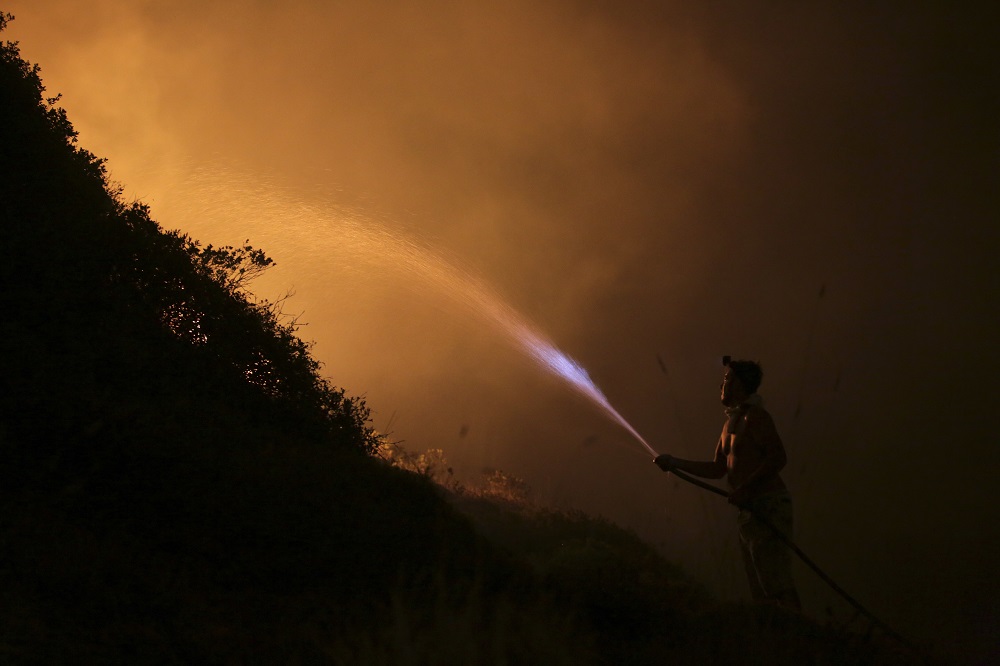
A year of wildfires and pointing fingers in Portugal

Today in Portugal, citizens will enter a three day period of national mourning as wildfires continue to ravage the country. The fires had claimed the lives of 36 people as of Tuesday morning, including a one month old infant. An additional 56 people have been injured, 16 of whom are in critical condition. The wildfires ignited amidst dry conditions, fueled by winds from Hurricane Ophelia, which is now pummeling Ireland’s coast. According to authorities, arson might have also played a role in the outbreak of some of the around 500 different fires simultaneously burning in Portugal. On Monday, more than 5,300 firefighters battled the fires using 1,600 vehicles. Aircraft equipment with the capacity to drop water on the blaze is not in use in certain areas, as low clouds and heavy smoke severely limit visibility. The number of fires has forced a state of emergency upon nearly half of the country’s landmass, the entire region north of the Tajo River.

Hospitals in Mogadishu struggled to accommodate an influx of extremely injured civilians from the truck bombings

On October 14, a double truck bombing exploded in Mogadishu, Somalia, which injured 300 civilians and killed approximately 277 people. First responders and hospital staff were quickly overwhelmed as most civilians were barely recognizable from their burns and needed immediate medical services. In Mogadishu, the two major hospitals closest to the explosion site are Banadir Hospital and Medina Hospital. The Federal Government of Somalia classifies Banadir hospital to be the only ‘National Referral Hospital’ in the country, which entails they offer maternal and child health facilities and services. Medina hospital treats “several hundred war-wounded patients and expectant mothers every month”, and is focused more on trauma and emergency services.

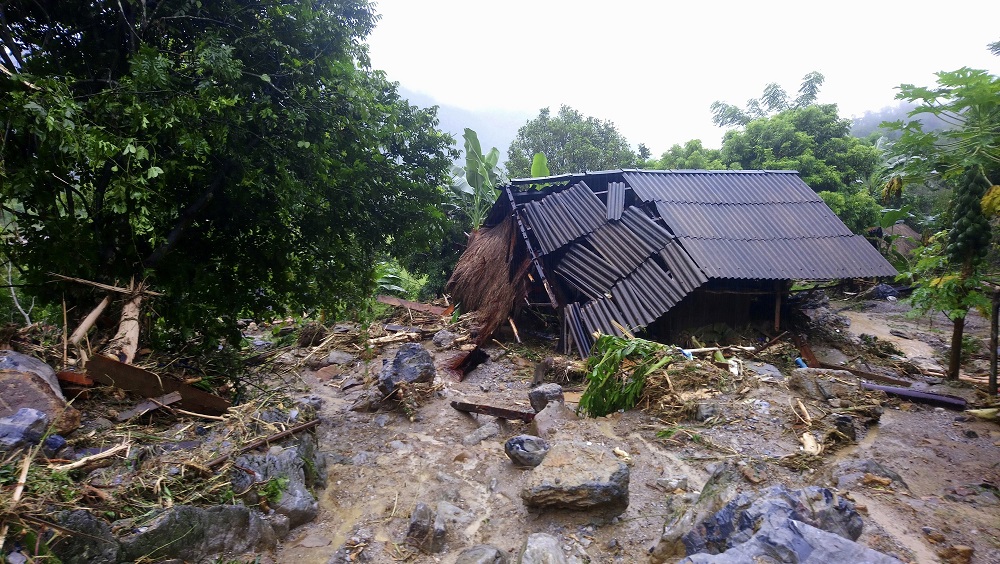
Floods and landslides kill 54, leave 39 missing in Vietnam

Vietnam is ranked the seventh most disaster-prone country in the world, and disasters over the past two decades have caused more than 13,000 deaths and property damage in excess of $6.4 billion, according to Achim Fock, acting country director for the World Bank in Vietnam. Speaking at a conference in Hanoi on Friday marking International Day for Disaster Reduction, Fock said it is time for Vietnam to prepare seriously to reduce its climatic vulnerability.

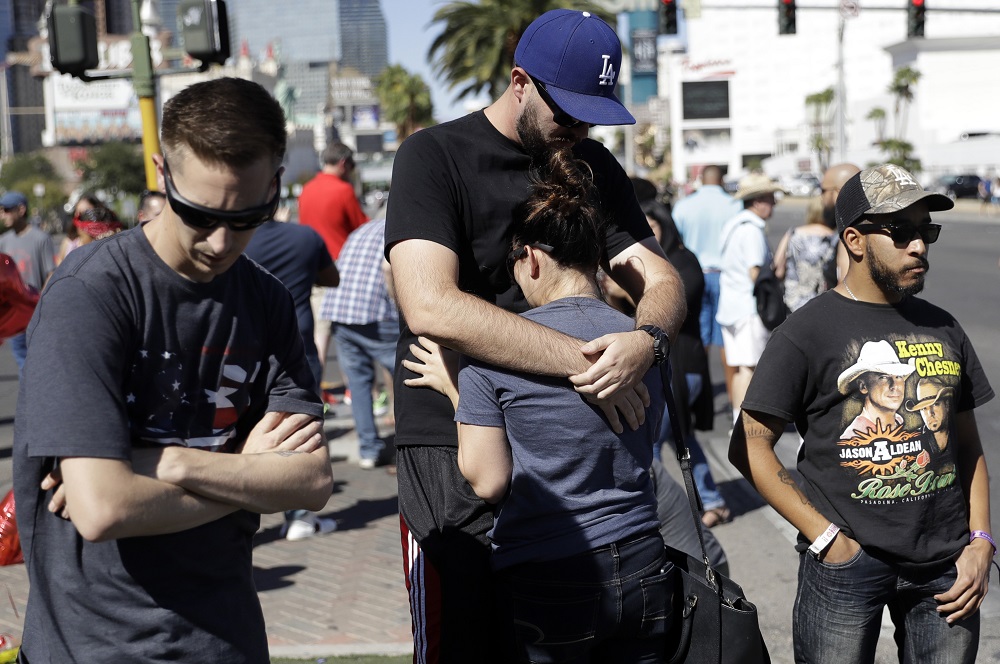
Community resilience put to the test during Las Vegas mass shooting

In the midst of the horror that played out last week at the Route 91 Country Music Festival in Las Vegas, communities mobilized to provide support for victims of the mass shooting. Even as the bullets showered upon the crowd, stories emerged of countless concertgoers and first responders risking their lives to evacuate the wounded and stranded. 

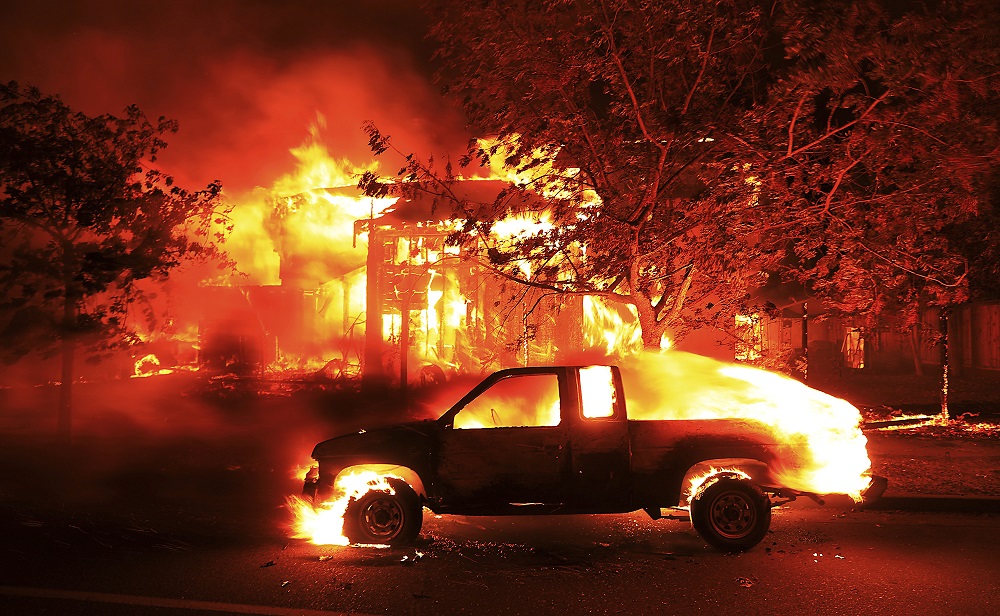
Wildfires tear across California communities with little warning

California firefighters had their work cut out for them this week as they battled at least 21 wildfires across the state. The fires blazed in eight counties, forcing thousands upon thousands of residents to evacuate. As of Friday morning, at least 31 people had died in the fires, surpassing the death toll of the 1933 Griffith Park Fire, making these fires the most deadly fire-related emergencies in California’s history. The fires have torn through 191,000 acres of land, an area of land roughly thirteen times the size of Manhattan, destroying thousands of homes and commercial buildings. 

To replace SSN with something more resilient, model it on the internet | GRI Blog

Rob Joyce wants to get rid of the social security number. “Every time we use the Social Security number you put it at risk,” Joyce, the White House Cyber Coordinator told Washington Post Live recently. Joyce’s comments have led to no small amount of day dreaming by the technical community on the possibility of using a “modern cryptographic identifier” or (drum roll please) block chain. That’s all well and good. But the challenges with replacing the social security number as an identifier (with something more secure), aren’t technical -- they are everything else. And as Steve Bellovin points out, it would be really, really hard.

Deadly California wildfires force thousands to evacuate

An onslaught of wildfires across a wide swath of Northern California broke out almost simultaneously then grew exponentially, swallowing up properties from wineries to trailer parks and tearing through both tiny rural towns and urban subdivisions. At least 10 were dead, at least 100 injured and at least 1,500 homes and businesses have been destroyed, authorities said. All three figures were expected to surge in the coming days as more information is reported. Taken as a group, the fires are already among the deadliest in California history.
  • Previous
  • 67
  • 68
  • 69
  • 70
  • 71(current)
  • 72
  • 73
  • 74
  • 75
  • Next