Logo
Logo
  • About
    • Previous
    • About
    • About GRI
    • Resilience Overview
    • Team
  • Resources
    • Previous
    • Resources
    • Resilience News
    • Publications
    • Upcoming Events
    • Resilience Projects
  • Resilience Programs
    • Previous
    • Resilience Programs
    • Global Resilience Research Network
    • Resilience Champions
    • Corporate Partnerships
    • Seed Grant Program
  • Resilience Education
    • Previous
    • Resilience Education
    • Resilience Courses
    • Degree Programs
  • Contact
  • LinkedIn

Resilience News

  • GRI Core Projects
  • Publications
  • Resilience News
  • Stephen Flynn
  • A–Z
  • Z–A
  • Newest First
  • Oldest First
  • Architecture
  • Award
  • Barbados
  • Behavioral Health
  • Black Sea
  • Book Launch
  • caribbean
  • Chief Technology Officer
  • Climate change
  • Coastal Infrastructure
  • Coastal Resilience
  • Community
  • Community Resilience
  • COVID-19
  • Critical Infrastructure
  • Cyber Resilience
  • Cybersecurity
  • designs
  • Distinguished Senior Fellow
  • Dominica
  • Ecology
  • Economic Resilience
  • Educational Resilience
  • Emergency response
  • Energy
  • Enterprise
  • Enterprise Resilience
  • Environmental Resilience
  • Event Recap
  • Faculty Affiliate
  • Food Crisis
  • global resilience
  • GrainCrisis
  • GRI Whitepaper Series
  • Healthcare
  • Hurricane Season
  • Individual Resilience
  • Internet Resilience
  • island nations
  • Massachusetts
  • Nada Sanders
  • nantucket
  • Odesa
  • Organizational Resilience
  • Partners
  • Policy and practice
  • Project: Creating a resilient Internet of Things (IoT)
  • Project: Critical Infrastructure Network (CInet)
  • Research
  • Resilience
  • Russia
  • Social Resilience
  • Societal Resilience
  • Solution: Critical Infrastructure Resilience
  • Solution: Cyber Resilience
  • Solution: Incident Management & Business Continuity and Recovery
  • Solution: Integrated Resilience Action Planning for Enterprises
  • Solution: Integrated Resilience Enhancement Solution
  • Solution: Supply Chain
  • Solution: Vetted Technology Resilience
  • Stephen Flynn
  • Supply Chain
  • Sustainability
  • Technology
  • Terrorism
  • Transportation
  • Ukraine
  • Urban Development
  • USAID
  • Vaccination

Dr. Stephen Flynn on Disaster Resilience in the United States | Council on Foreign Relations Podcast

Global Resilience Institute Founding Director Dr. Stephen Flynn joined ‘The President’s Inbox’ podcast on Tuesday, to discuss resilience – what is it, why is it important, and how is it relevant in our nation today? “The concept of resilience really gets at a number of elements of how we have to deal with the growing shocks and disruptions of our lives,” said Flynn. “One element of resilience is the capacity to withstand a disruptive event or a shock – that’s what engineers often think about, building to be resilient against the ground moving from an earthquake – but resilience is also about this ability to bounce back or recover. So after a shock or after a major disruption, you’re able to get back up. But very importantly, another element of this evolving definition of resilience is this capacity to adapt. When you bounce back you should come back better and stronger. It’s what you should do before bad things happen, what you do after, and how you learn from that.”
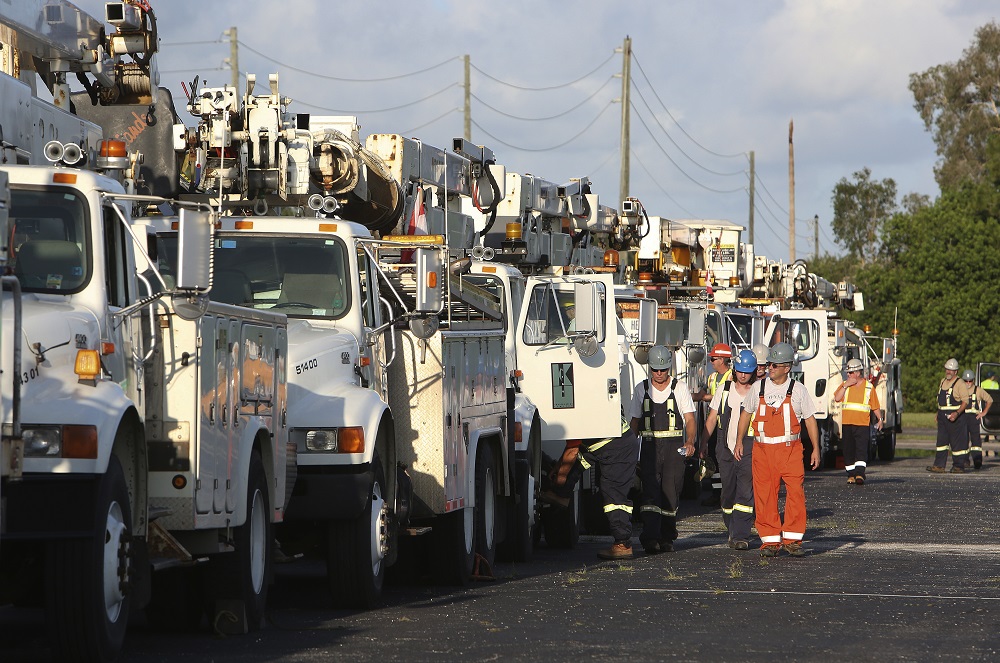
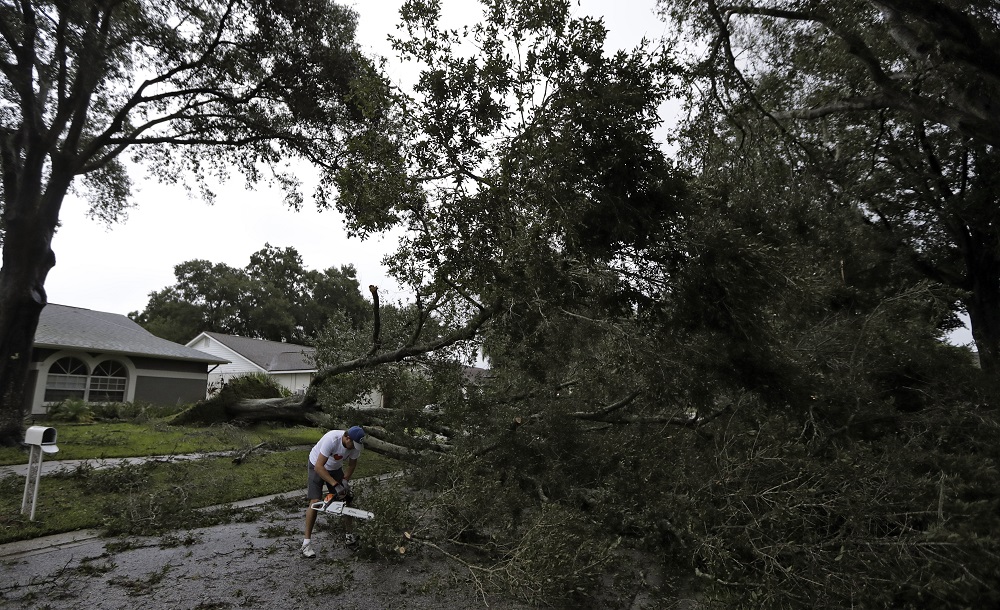
Hurricane Irma’s ferocious winds knock down power lines in Florida, cause cascading effects

As Irma weakened into a tropical storm early Monday morning, almost 6.7 million homes and businesses were left without power in Florida.

GRI Director on Hurricane Irma, preparedness and resilience – On Point with Tom Ashbrook

With weather events becoming more intense, society needs to be better prepared – and think about what can be done in advance, in order to “bake in” resilience. Global Resilience Institute Founding Director Dr. Stephen Flynn shared these thoughts on Monday, during NPR’s On Point with Tom Ashbrook.

Now a tropical storm, Irma hits Florida with wind, flooding

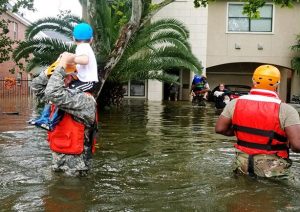
A weakened but still dangerous Irma pushed inland Monday as it hammered Florida with winds and floodwaters that created hazards even for rescuers trying to help beleaguered residents. Irma was downgraded to a tropical storm over Florida, but it still had winds near hurricane force. Its outer bands were also blowing into Georgia, where the storm's center was expected to arrive later in the day. With rough conditions persisting across Florida, many communities in Irma's wake feared what destruction would be revealed as daylight allowed authorities to canvass neighborhoods.

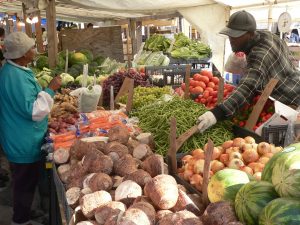
Potential superstorms highlight vulnerability of Boston’s food supply

In the city of Chelsea, a suburb north of Boston, one of New England’s most critical food facilities lies in a flood zone. Along with Massachusetts General Hospital facilities, a substation and an MBTA stop, the New England Produce Center (NEPC) rests just along the Mystic River in an area that was once marshland, and is at risk of being reclaimed by the river in the event of a major storm.

Death toll 61 in Mexico quake as hurricane hits Gulf coast

One of the most powerful earthquakes ever recorded in Mexico struck off the country's southern coast, toppling hundreds of buildings and sending panicked people fleeing into the streets in the middle of the night. At least 61 people were reported dead. The quake that hit minutes before midnight Thursday was strong enough to cause buildings to sway violently in the capital city more than 650 miles (1,000 kilometers) away. As beds banged against walls, people still wearing pajamas ran out of their homes and gathered in frightened groups.

Hurricane Irma provokes gas shortages in Florida

Just after Hurricane Harvey threatened the refined fuel supply all along the East Coast with rain that damaged or shut…

Hurricane Irma makes landfall in Caribbean, moving towards Florida

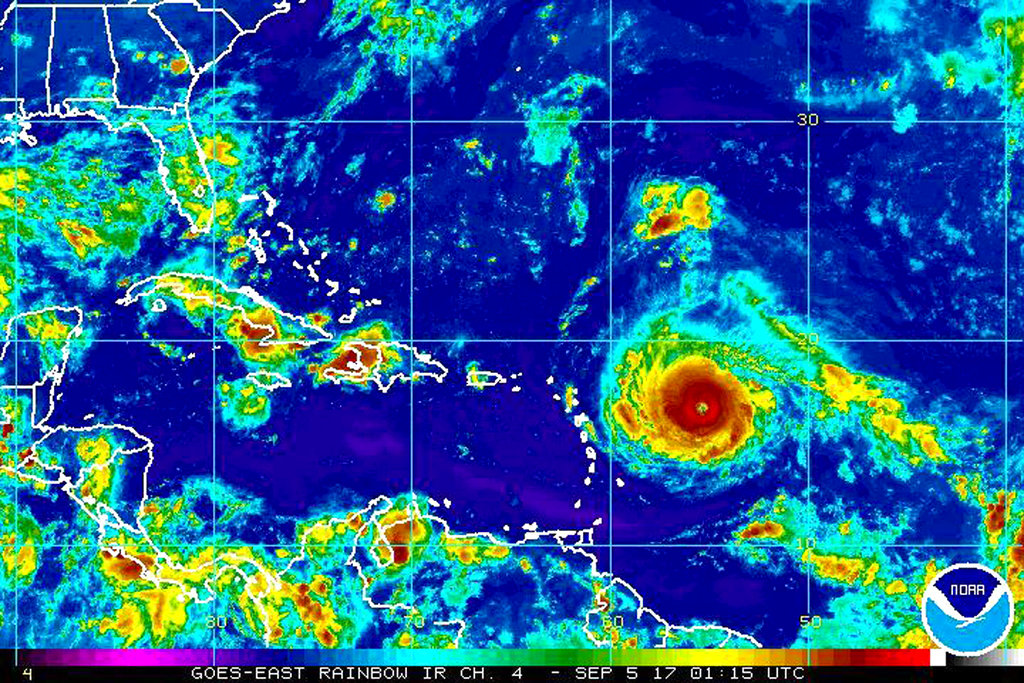
Just days after Hurricane Harvey devastated the Gulf Coast, Hurricane Irma threatens the Caribbean and the southeastern United States. On Monday night, hurricane warnings were in effect as the Category 5 storm moved towards islands including Antigua and Barbuda, Saint Maarten, Puerto Rico, and the U.S. Virgin Islands. The governor of the British Virgin Islands urged residents of Anegada island to evacuate, and schools and government offices were closed across the Caribbean.

‘Cajun Navy’ displays community resilience amidst disaster along the Gulf Coast

With thousands of people stranded and displaced by Hurricane Harvey, volunteer civilian groups have been joining the rescue efforts across…

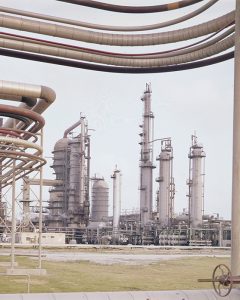
Hurricane Harvey threatens production along pipelines and refineries in Texas

The impact of Hurricane Harvey forced 18 refineries in Texas to partially or completely shut down. The closures meant that about 3.6 million barrels of oil per day, representing about 20 percent of U.S. refining capacity, was compromised. On average, Texas produces a total of roughly 5.6 million barrels per day along the U.S. Gulf Coast, which supports communities all around the country.

Hurricane Irma slams Caribbean islands as Category 5 storm

Hurricane Irma roared into the Caribbean with record-setting force early Wednesday, shaking people in their homes on the islands of Antigua and Barbuda on a path toward Puerto Rico and possibly Florida by the weekend. Irma, which was the strongest Atlantic hurricane ever recorded north of the Caribbean and east of the Gulf of Mexico, passed almost directly over the island of Barbuda, according to the U.S. National Hurricane Center in Miami. Authorities in the small islands of the eastern Caribbean were still evaluating the situation as the sun rose though there were widespread reports of flooding and downed trees. Antiguan police were waiting until the winds dropped before sending helicopters to check on damage reports of damage in Barbuda. There were no immediate reports of casualties.

Irma strengthens to a Cat 5 storm as it nears Caribbean

Hurricane Irma strengthened into a dangerous Category 5 storm Tuesday as it roared toward the northeast Caribbean on a path that could take it to the United States. The U.S. National Hurricane Center said Irma had sustained winds of 175mph (280 kph) and was centered about 270 miles (440 kilometers) east of Antigua. It was moving west at 14 mph (22 kph).
  • Previous
  • 70
  • 71
  • 72
  • 73
  • 74(current)
  • 75
  • 76
  • 77
  • 78
  • Next