Resilience: A critical trait when confronting the threat of terrorism
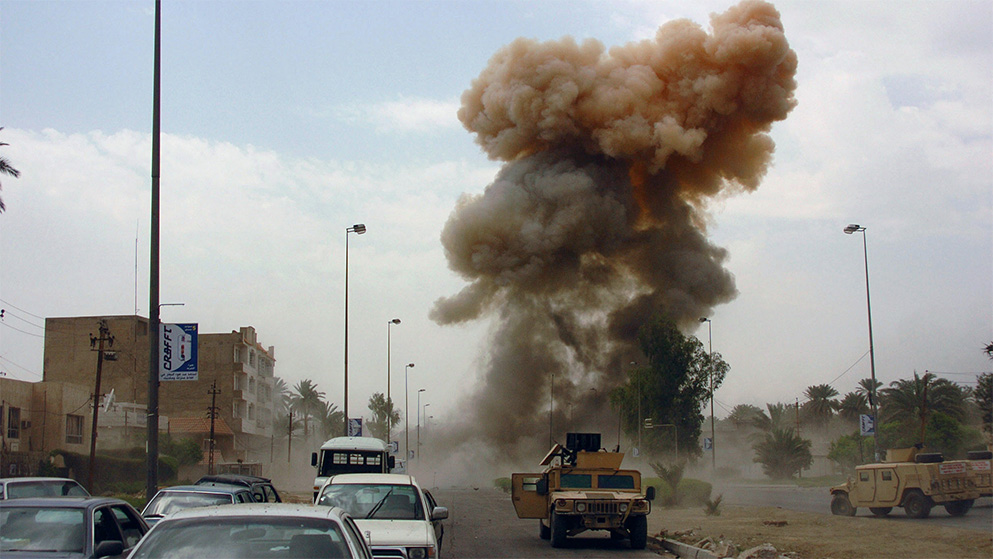
Terrorism is a global problem with a long history – the Global Terrorism Database has recorded over 170,000 terrorist attacks, both by individuals and over 2,700 groups, between 1970 and 2016. Terrorist organizations such as Al Qaeda tend to have structures and operations that make resilience a critical trait when confronting this threat. Terrorist groups have multiple characteristics that allow them to endure despite asymmetrical disadvantages with respect to material resources, technology, and other important assets. The resilient nature of terrorist organizations such as Al Qaeda has been noted as early as 2006, five years after the launch of the war on terror. By 2009, counter-terrorism officials estimated that Al-Qaeda’s core was at its weakest point, with the termination of key leaders such as Osama bin Laden and declining manpower reserves. By 2012, General John Allen, then-commander of the U.S. forces in Afghanistan, argued that Al-Qaeda had “re-emerged” through funding, recruitment, and expansion, and by 2014, Al-Qaeda had sufficiently rebuilt to establish a new network, AQIS – Al-Qaeda in the Indian Subcontinent.