Logo
Logo
  • About
    • Previous
    • About
    • About GRI
    • Resilience Overview
    • Team
  • Resources
    • Previous
    • Resources
    • Resilience News
    • Publications
    • Upcoming Events
    • Resilience Projects
  • Resilience Programs
    • Previous
    • Resilience Programs
    • Global Resilience Research Network
    • Resilience Champions
    • Corporate Partnerships
    • Seed Grant Program
  • Resilience Education
    • Previous
    • Resilience Education
    • Resilience Courses
    • Degree Programs
  • Contact
  • LinkedIn

Resilience News

  • GRI Core Projects
  • Publications
  • Resilience News
  • Stephen Flynn
  • A–Z
  • Z–A
  • Newest First
  • Oldest First
  • Architecture
  • Award
  • Barbados
  • Behavioral Health
  • Black Sea
  • Book Launch
  • caribbean
  • Chief Technology Officer
  • Climate change
  • Coastal Infrastructure
  • Coastal Resilience
  • Community
  • Community Resilience
  • COVID-19
  • Critical Infrastructure
  • Cyber Resilience
  • Cybersecurity
  • designs
  • Distinguished Senior Fellow
  • Dominica
  • Ecology
  • Economic Resilience
  • Educational Resilience
  • Emergency response
  • Energy
  • Enterprise
  • Enterprise Resilience
  • Environmental Resilience
  • Event Recap
  • Faculty Affiliate
  • Food Crisis
  • global resilience
  • GrainCrisis
  • GRI Whitepaper Series
  • Healthcare
  • Hurricane Season
  • Individual Resilience
  • Internet Resilience
  • island nations
  • Massachusetts
  • Nada Sanders
  • nantucket
  • Odesa
  • Organizational Resilience
  • Partners
  • Policy and practice
  • Project: Creating a resilient Internet of Things (IoT)
  • Project: Critical Infrastructure Network (CInet)
  • Research
  • Resilience
  • Russia
  • Social Resilience
  • Societal Resilience
  • Solution: Critical Infrastructure Resilience
  • Solution: Cyber Resilience
  • Solution: Incident Management & Business Continuity and Recovery
  • Solution: Integrated Resilience Action Planning for Enterprises
  • Solution: Integrated Resilience Enhancement Solution
  • Solution: Supply Chain
  • Solution: Vetted Technology Resilience
  • Stephen Flynn
  • Supply Chain
  • Sustainability
  • Technology
  • Terrorism
  • Transportation
  • Ukraine
  • Urban Development
  • USAID
  • Vaccination

Purposeful action

Lefty Gomez was famous for saying he’d rather be lucky than good (How many of you know who Lefty Gomez was?). And when it comes to disasters, there are a lot of communities that have thrived due to dumb luck. After Katrina, Baldwin county in Alabama gained lots of new residents who had well-paying jobs in Mobile – jobs with companies who had relocated from New Orleans. Older workers were almost unaffected by the Great Recession; if we had a job, we kept it. No action was required – just being in the right place at the right time was enough.

Alisa Lincoln in Forbes: Experiencing Trauma In Childhood Linked To Increased Risk Of Developing Dementia

Experiencing trauma, abuse or neglect in childhood may lead to health complications later on, including a higher risk of developing dementia, new research finds. Researchers in Japan published a study this week that examined the connection between adverse childhood experiences, or ACEs, and dementia risk. The team found that the more ACEs someone experiences early in life, the higher their chance of developing dementia in older age.

Carmen Sceppa in News@Northeasetern: Global population, climate, and technology are changing human health. Here’s what we can do about it.

We live in a more connected world than ever before. The availability of rapid intercontinental travel means that a disease in one region can easily become a global concern, as the novel coronavirus outbreak has demonstrated in recent weeks.

Liz Allen speaks at Northeastern’s Climate Course about the impacts of climate change on agriculture and food systems

On January 29th, Dr. Liz Allen, GRI's Postdoctoral Research Associate, spoke at the Myra Kraft Open Classroom – Climate Change: A Course For Everyone. The weekly course takes place at Northeastern University's Boston campus and is open to the public, and streamed globally, with the intent to promote climate change education, resilience, and action for all. Previously this semester, GRI’s Founding Director Stephen Flynn spoke at the course on Climate Resilience, along with GRI’s Distinguished Senior Fellow Dr. Atyia Martin and GRI’s faculty affiliate Brian Helmuth. Dr. Allen was invited to speak about the impacts of climate change on agriculture and food systems, as her research has specifically focused on this issue in the Northwestern regions of the U.S.

Boston’s vulnerable waterfront system: reactivating the city’s 47 miles of coastline to increase access and resiliency in the face of rising tides and temperatures

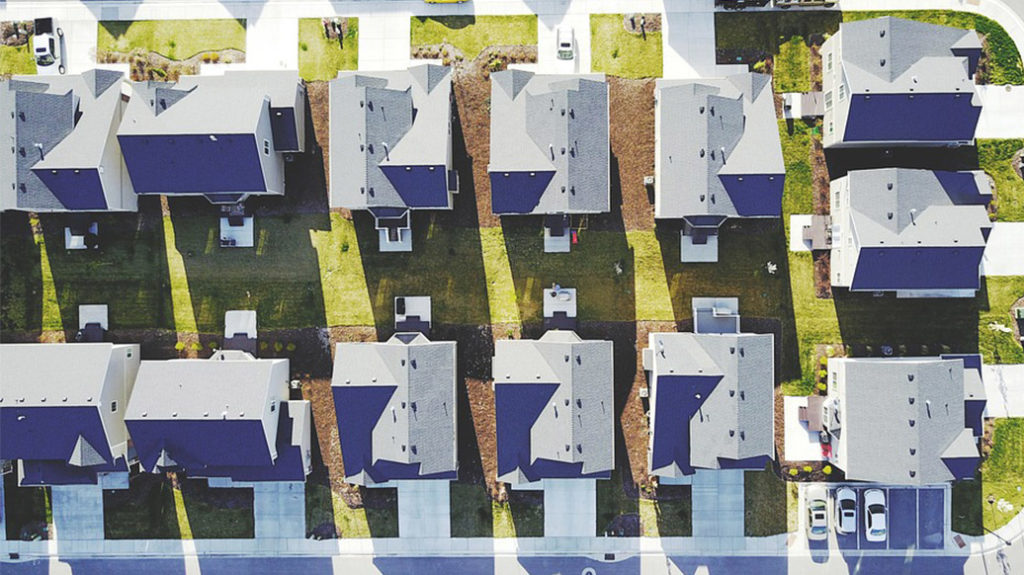
Back in 2016, the City of Boston released an action plan to combat climate change as part of Imagine Boston 2030, a document outlining the government’s plan for the future of Boston. Known as Climate Ready Boston, this initiative includes updated climate projections, vulnerability assessments and climate resilience strategies, as well as establishes eight focus areas for investment where risks, particularly coastal and riverine flooding, are spatially concentrated. The report highlighted three major threats to the city in the coming decades: sea level rise, extreme heat and extreme precipitation.

Dr. Shan Mohammed in News@Northeastern: Here’s what you need to know about the Coronavirus outbreak

The novel coronavirus outbreak has infected more than 30,000 people in China and more than 800 have died, which is more than the number of fatalities from the SARS epidemic in the early 2000s.
Climate Change: A course for everyone

Stephen Flynn speaks at Northeastern’s Climate Course on Climate Resilience

On Wednesday, January 22nd, GRI’s Founding Director, Stephen Flynn spoke at the Myra Kraft Open Classroom - Climate Change: A Course For Everyone to help promote climate change education, resilience, and action for all.

Thomas Vicino in News@Northeastern: Better planning might have limited flood damage in Brazil. But would it have been enough?

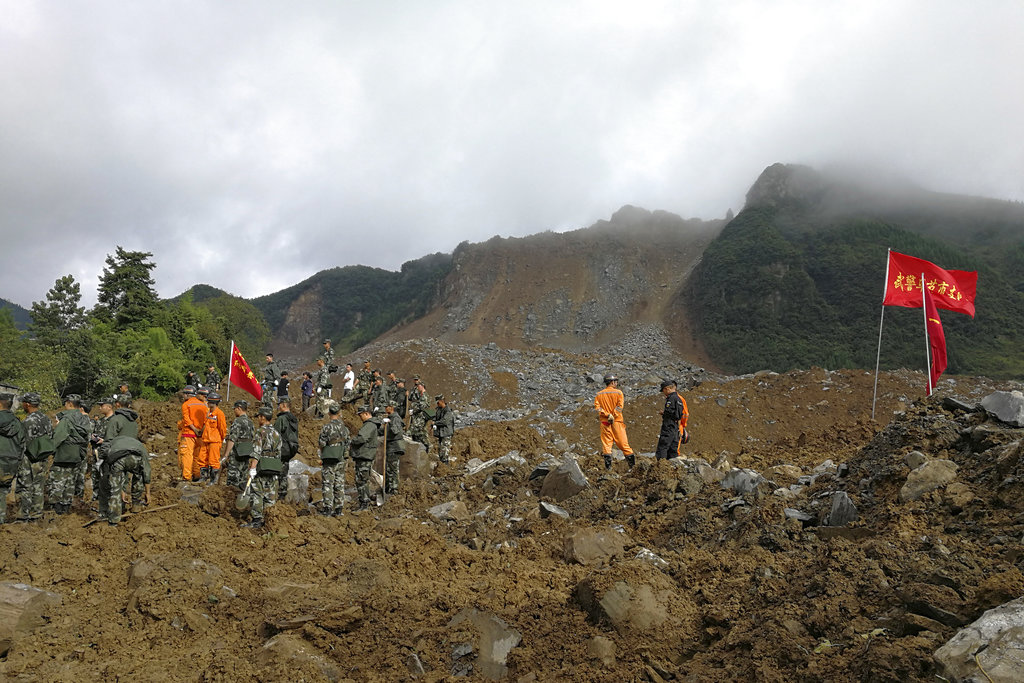
Historic rainfall in southeastern Brazil has created deadly floods and widespread destruction in a region that was experimenting with “more progressive” planning and zoning policies than most, says Northeastern political science professor Thomas Vicino, who studies metropolitan development and housing in Brazil.

Daniel Aldrich in The Fifth State: What we can learn about community resilience

Communities in Australia and California share connected experiences as they face climate-related threats, especially fire. Different continents, connected climates, same challenges. Here are view from two people who had close contact with recent fires in California and Australia.

Daniel Aldrich in Times Standard: Lori Dengler: Making social connections builds social capital, community resilience

Last week, I mentioned lack of social capital as one of the culprits in the Haiti earthquake disaster. Social capital is a measure of community connectedness and many studies show that it can reduce impacts and improve recovery in disaster. For me, enhancing social capital is a no-brainer. Much of how to build it is relatively easy and has the added benefit of making a our society more livable even between disasters.

Daniel Aldrich in Times Standard: Making social connections builds social capital, community resilience

A study conducted after the 2011 Japan earthquake and tsunami concluded that social networks were more important than emergency supplies in reducing losses and accelerating recovery.

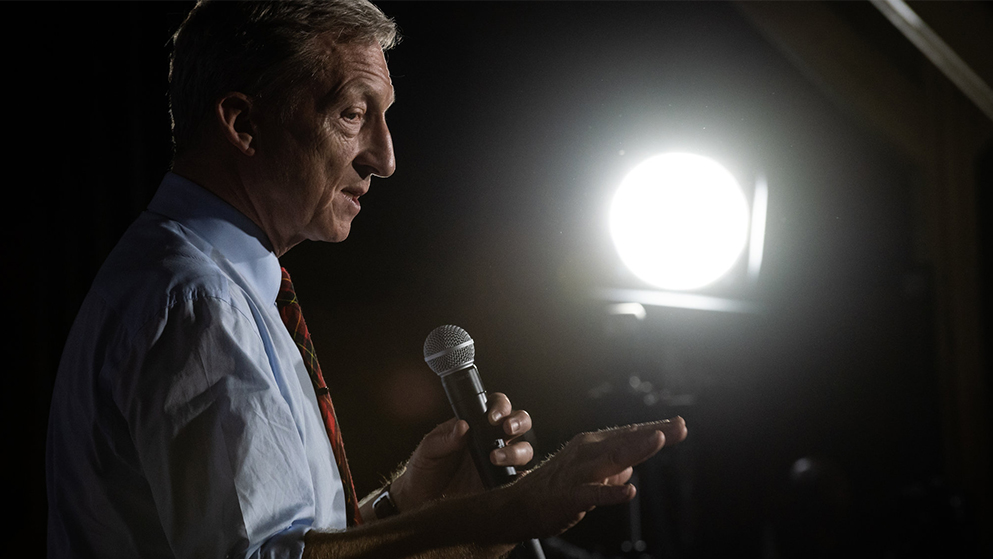
Jennie Stephens in New York Times: Tom Steyer Exaggerates Fossil Fuel Divestment

A review of the Democratic presidential candidate’s reported assets calls into question his claims that he no longer has investments in oil, gas and coal.
  • Previous
  • 40
  • 41
  • 42
  • 43
  • 44(current)
  • 45
  • 46
  • 47
  • 48
  • Next