Logo
Logo
  • About
    • Previous
    • About
    • About GRI
    • Resilience Overview
    • Team
  • Resources
    • Previous
    • Resources
    • Resilience News
    • Publications
    • Upcoming Events
    • Resilience Projects
  • Resilience Programs
    • Previous
    • Resilience Programs
    • Global Resilience Research Network
    • Resilience Champions
    • Corporate Partnerships
    • Seed Grant Program
  • Resilience Education
    • Previous
    • Resilience Education
    • Resilience Courses
    • Degree Programs
  • Contact
  • LinkedIn

Resilience News

Welcome to the Global Resilience Institute (GRI) at Northeastern University.
  • GRI Core Projects
  • Publications
  • Resilience News
  • Stephen Flynn
  • A–Z
  • Z–A
  • Newest First
  • Oldest First
  • Architecture
  • Award
  • Barbados
  • Behavioral Health
  • Black Sea
  • Book Launch
  • caribbean
  • Chief Technology Officer
  • Climate change
  • Coastal Infrastructure
  • Coastal Resilience
  • Community
  • Community Resilience
  • COVID-19
  • Critical Infrastructure
  • Cyber Resilience
  • Cybersecurity
  • designs
  • Distinguished Senior Fellow
  • Dominica
  • Ecology
  • Economic Resilience
  • Educational Resilience
  • Emergency response
  • Energy
  • Enterprise
  • Enterprise Resilience
  • Environmental Resilience
  • Event Recap
  • Faculty Affiliate
  • Food Crisis
  • global resilience
  • GrainCrisis
  • GRI Whitepaper Series
  • Healthcare
  • Hurricane Season
  • Individual Resilience
  • Internet Resilience
  • island nations
  • Massachusetts
  • Nada Sanders
  • nantucket
  • Odesa
  • Organizational Resilience
  • Partners
  • Policy and practice
  • Project: Creating a resilient Internet of Things (IoT)
  • Project: Critical Infrastructure Network (CInet)
  • Research
  • Resilience
  • Russia
  • Social Resilience
  • Societal Resilience
  • Solution: Critical Infrastructure Resilience
  • Solution: Cyber Resilience
  • Solution: Incident Management & Business Continuity and Recovery
  • Solution: Integrated Resilience Action Planning for Enterprises
  • Solution: Integrated Resilience Enhancement Solution
  • Solution: Supply Chain
  • Solution: Vetted Technology Resilience
  • Stephen Flynn
  • Supply Chain
  • Sustainability
  • Technology
  • Terrorism
  • Transportation
  • Ukraine
  • Urban Development
  • USAID
  • Vaccination
Steven Flynn Profile

GRI Welcome

Climate change, urbanization, and social tensions have damaged communities, constrained resources, forced migrations, and caused cascading failures around the world.…
Steven Flynn Profile

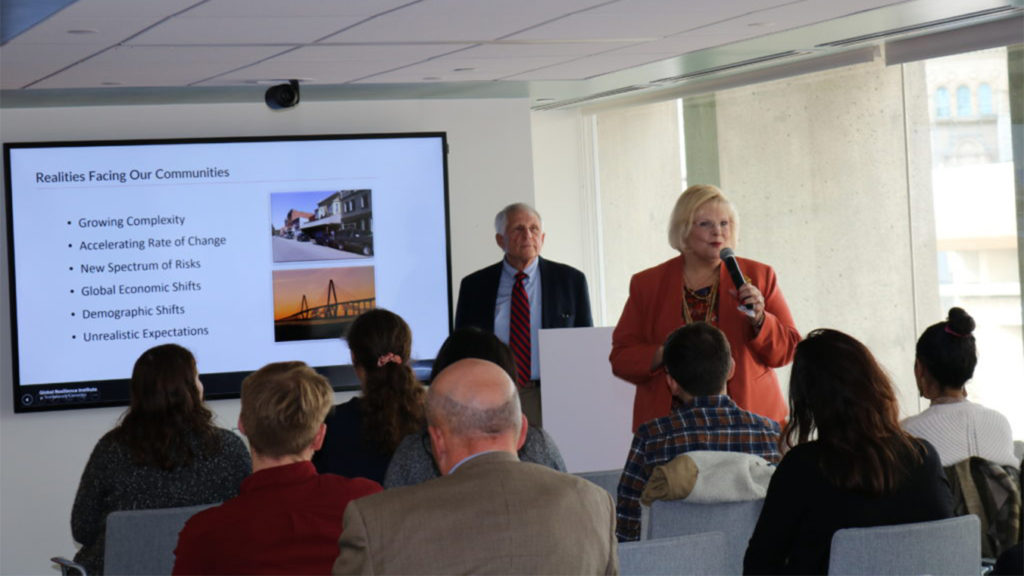
GRI Event: Dr. Stephen E. Flynn delivering a lecture on the Global Supply System

Please join us on Monday, November 25, 2019 for a lecture by Dr. Stephen Flynn, GRI's Founding Director.

Senator Ed Markey proposes bill to address displacement from climate change

Massachusetts Senator Ed Markey introduced a new bill to the Senate that would establish a Global Climate Change Resilience Strategy. The proposed bill would authorize those displaced by climate related events to access resettlement opportunities the United States, as well as establish a government wide framework for climate change policy and addressing environmental justice.

5G: Striking a balance between resilience and risk

On Friday November 1st, China unveiled the world’s largest 5G network in 50 cities, including Shanghai and Beijing. China Mobile and other telecom companies now offer 5G plans, starting at 18USD for 30 gigabytes per month, however, many companies are charging by speed rather than by month. It is estimated by 2020, 7% of China’s population will use 5G, and the country hopes to continue to expand its coverage. Striking a balance between managing vulnerabilities and advancing resilience through the development of 5G technology remains a challenge for current and future policymakers. 

GRI Event: Reflecting on the Chilean Crisis: Making Visible Inequality

Join the Global Resilience Institute on Thursday, November 14 for a lecture by Professor Gonzalo Bacigalupe, Principal Investigator at CIGIDEN and adjunct professor at Catholic University of Chile - School of Engineering.

Food insecurity threatens resilience

The ability to have a stable and reliable supply of food is an important indicator of resilience. Establishing food security is a concern for public officials, community leaders, families and individuals across the globe. Often, populations which do not have reliable access to food are made vulnerable to a host of other conditions which threaten their resilience. Lack of affordability and physical access to food are two of the primary reasons families and communities in the United States struggle to maintain a reliable, nutritious diet.

Dr. Robin White and Warren Edwards present on Opportunity Zones and Resilient Solutions

On Wednesday, October 30, GRI Executive Director for Research, Dr. Robin White, and Distinguished Senior Fellow, Warren Edwards, delivered a…

Brazil oil spill threatens coastal resilience

Communities on the northern shores of Brazil’s coast are experiencing one of the largest oil spills in human history, the source of which is unknown. Originally appearing on only a few beaches in early September, crude oil has now washed up on over 2,000 kilometers (roughly 1,240 miles) along the coastlines of nine states. Due to a slow government reaction, volunteers across Brazil have been photographed rolling up oil slicks and disposing of them in trash bags. As the global economy is highly dependent on oil and related industries, the potential for future oil spills underscores the need to develop resilient practices for mitigation and recovery.

Cities experiment with car-free streets

Cities around the world are experimenting with temporary and permanent car bans on their streets. New York, San Francisco, Bogotá, London, Cape Town, and others have experimented with the benefits of turning streetscapes into open public spaces. The changing dynamic of a city’s transportation systems has the potential to build social cohesion and resilience.

CDFI fund forges hope for upward mobility in Mississippi Delta

The long-lasting poverty that afflicted the rural South after the Civil War, though alleviated in many areas, still stands in the Mississippi Delta. In 2018, the state reported a whopping 19.8% of the population lives under the poverty line, topping all other U.S. states. Despite this, some counties have experienced a decline in poverty over the last 20 years. Almost half of the Delta’s poorest counties experienced similar reductions. Many believe this is due in part to the 1994 creation of the Community Development Financial Institution Fund, a federal tax incentive in the New Market Tax Credit Program. This aids Community Development Entities (CDEs), which are private financial institutions that deliver affordable lending to low income households. In May 2019, 73 CDEs were awarded CDFI funds, and many hope that these institutions will help Delta communities strengthen their financial resilience.


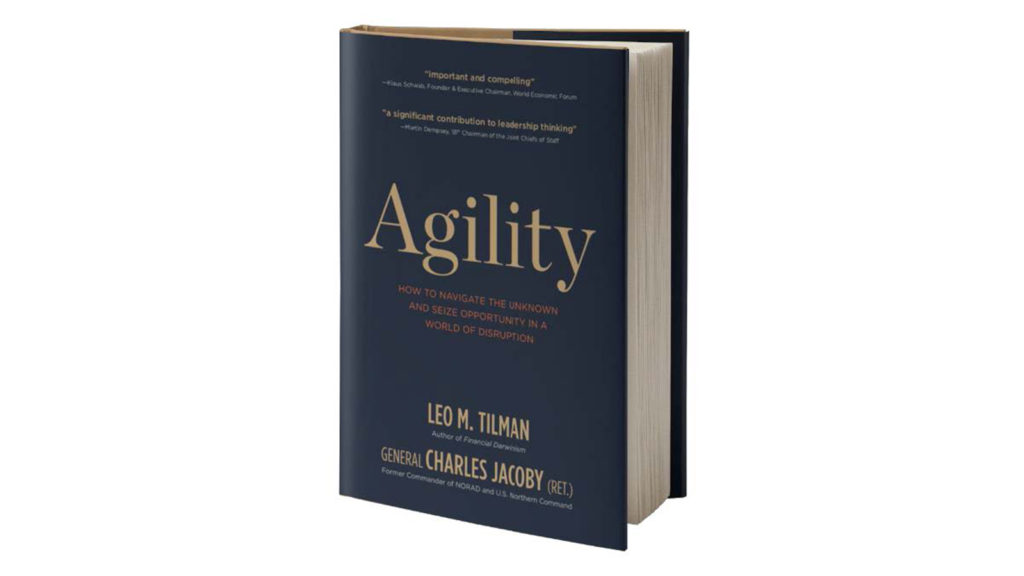
Distinguished Senior Fellow, General Charles Jacoby launches his new book – AGILITY: How to Navigate the Unknown and Seize Opportunity in a World of Disruption

General Charles Jacoby, GRI Distinguished Senior Fellow, recently released a new book, AGILITY: How to Navigate the Unknown and Seize…

Senior Research Scientist Rob Knake Highlights Work of GRI in Hill Testimony

Senior Research Scientist Rob Knake testified before the House Homeland Security Committee’s Cybersecurity Subcommittee on Tuesday, October 22.
  • Previous
  • 44
  • 45
  • 46
  • 47
  • 48(current)
  • 49
  • 50
  • 51
  • 52
  • Next